A St. Petersburg pedestrian accident on US-19 rarely comes down to bad luck; it usually happens where the road asks more of walkers than it gives back. Most locals know this highway as 34th Street. Anyone who has crossed it on foot knows the problem: wide lanes, fast traffic, signals spaced far apart, and a bus stop on the other side with no crosswalk in sight.
If a driver hit you there, you may be left with broken bones, missed paychecks, and a question nobody answers clearly. Who is responsible? Insurers sometimes look at the pedestrian first, especially when the crash happened outside a marked crosswalk. Their first take isn't the last word.
The features that make this corridor dangerous often become the evidence in your claim. Lighting, signal timing, driver speed, and turning traffic near shopping plazas all tell part of the story. A St. Petersburg pedestrian accident attorney can review those details with you during a free consultation.
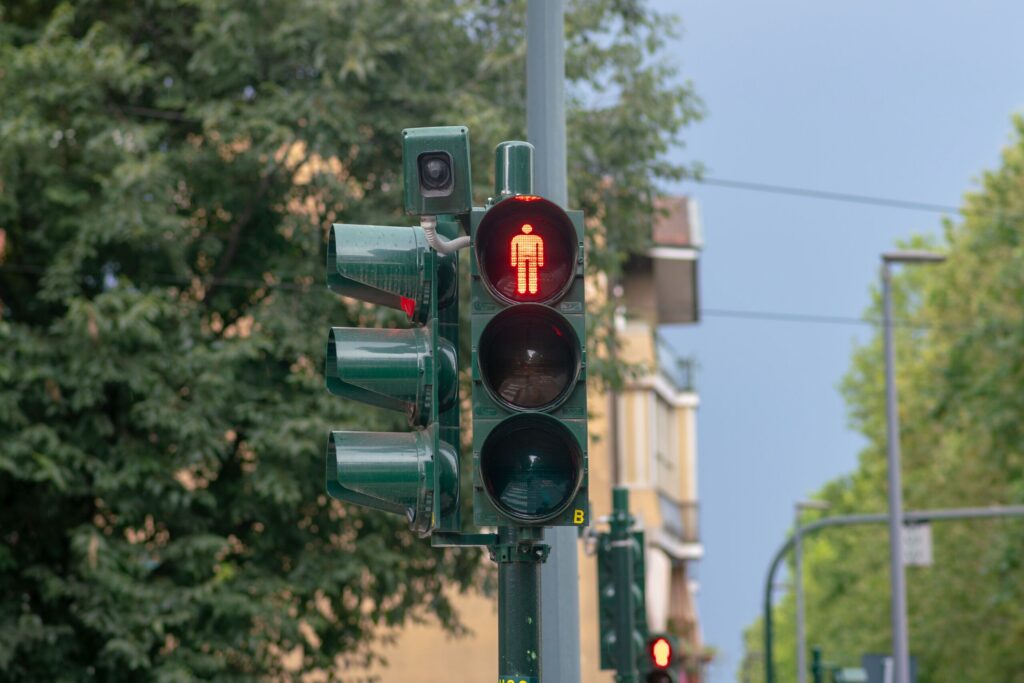
Key Takeaways: Pedestrian Accidents on US-19 in St. Petersburg
- Location Shapes the Evidence: Where you crossed, and what the lighting, signals, and traffic looked like, can matter as much as the moment of impact.
- Crossing Outside a Crosswalk Doesn't Automatically End a Claim: Florida divides fault by percentage, so a driver's speed or distraction still counts.
- Your Own PIP Coverage Usually Pays First: Florida's no-fault rules apply to pedestrians, and a 14-day window for first treatment affects those benefits.
- Video Evidence Disappears Quickly: Many businesses along 34th Street record over camera footage on a rolling cycle.
- Road Defect Claims Follow Different Rules: When a public agency may share blame, Florida adds a written notice step and separate timelines.
Why are pedestrian crashes so common along US-19 in St. Petersburg?
Pedestrian crashes are common along US-19 in St. Petersburg because the road carries fast, heavy traffic past busy shops and bus stops where people need to cross on foot. Three conditions stack up on the same stretch:
- Long gaps between crosswalks: Signals can sit far apart, so many people cross in the middle of the block to reach a bus stop or store.
- Wide lanes and high speeds: Drivers moving fast have less time to see someone in the road and stop.
- Low light and bad weather: Dusk, dark stretches, and summer storms make walkers harder to spot.
Together, these conditions turn a short walk across 34th Street into one of the riskier trips in Pinellas County.
What Makes US-19 in St. Petersburg So Hard to Cross on Foot?
US-19 is hard to cross on foot because it was built to move cars through the city quickly, while the stores, apartments, and bus stops lining it keep pulling people from one side to the other. That mismatch sits behind many St. Petersburg pedestrian accidents, and it shows up in a few predictable ways.
Long Distances Between Signalized Crossings
Long stretches between signalized crosswalks push many pedestrians to cross US-19 midblock, where drivers least expect them. Walking to the nearest signal can mean a detour of several blocks each way, often in heat that tops 90 degrees for months at a time.
Picture asking a driver to go a mile past their exit just to turn around. Most people would look for a shortcut, and pedestrians do the same. Some end up stranded on a narrow median while traffic rushes past on both sides.
Why Do So Many Crashes Involve People Walking to the Bus?
Bus riders cross US-19 on foot more often than most people because a stop on one side of the road means a return trip from the other. Transit buses run along 34th Street all day, and riders include workers without cars, older residents, and people with disabilities.
That detail matters later. Many riders don't own a vehicle, which changes whose insurance pays first after a crash.
When Are Pedestrians Hardest to See on This Corridor?
Pedestrians on US-19 are hardest to see at dusk, after dark, and during heavy summer rain. From June through September, afternoon storms roll in fast, soak the pavement, and scatter headlight glare across the lanes. Wet roads also lengthen the distance a car needs to stop.
Turning traffic adds another layer. A driver pulling out of a plaza driveway usually watches for a gap in cars coming from the left. The person walking along the sidewalk from the right often doesn't register until the last second.
Winter brings its own mix, with seasonal residents and visitors who don't yet know where the bus stops and driveways sit.
Who Is Responsible for a St. Petersburg Pedestrian Accident on US-19?
The driver is usually the first party responsible for a pedestrian crash on US-19, but the list doesn't always end there. Florida law lets more than one party share fault, and each share affects who pays and how much.
Driver Conduct in a St. Petersburg Pedestrian Accident
Florida law requires every driver to use due care to avoid hitting a pedestrian, even one who is outside a crosswalk. On a corridor like US-19, drivers often fall short of that duty by speeding, looking at a phone, or rolling through a right turn on red without checking the crosswalk.
Running a signal at a major crossing, such as Central Avenue or 22nd Avenue North, puts walkers at serious risk. Proof of these choices can come from phone records, vehicle data, witness accounts, and nearby cameras. If you remember anything about how the driver acted before impact, writing it down now keeps the memory sharp.
Can the Road Itself Share Blame for a St. Petersburg Pedestrian Accident?
Sometimes, a public agency can share blame when a road defect contributes to a pedestrian crash. US-19 is a state highway, so the Florida Department of Transportation handles much of its upkeep. A malfunctioning walk signal or a repair request that sat ignored may support a claim.
Florida shields government agencies through sovereign immunity. Broad planning choices, like where to place a crosswalk, usually fall outside what courts will second-guess, while maintenance failures stand on firmer ground.
Here's how responsibility can spread across different parties:
| Possible Party | How They May Contribute | Evidence That Often Helps |
| Driver | Speeding, distraction, or failing to yield while turning | Crash report, phone records, witness statements |
| Driver's Employer | A crash during deliveries or other work driving | Job records, commercial insurance policies |
| Nearby Property Owner | Signs or landscaping that block sightlines at a driveway | Photos, business camera footage |
| Public Agency | A broken signal or long-ignored maintenance problem | Maintenance logs, prior complaints |
| Pedestrian | Crossing against a signal or in a dark midblock spot | Scene photos, signal timing data |
Does Crossing Outside a Crosswalk End Your Claim?
No, crossing outside a crosswalk doesn't automatically end your claim in Florida. The state uses modified comparative fault. For example, a jury might find a midblock pedestrian 30 percent at fault and a speeding, distracted driver 70 percent at fault.
That pedestrian would still recover 70 percent of their damages. The hard stop comes if you're found more than half responsible.
A few terms come up often in these disputes:
- Modified comparative fault: A system that splits blame by percentage. Your damages shrink by the portion assigned to you.
- Due care: The basic caution every driver owes pedestrians. The duty applies even when someone crosses where they shouldn't.
- Sovereign immunity: A legal shield that protects government agencies from many lawsuits. Florida waives it only in limited situations, with caps and a written notice requirement.
How Does Insurance Work After a St. Petersburg Pedestrian Accident?
Insurance after a pedestrian crash works in layers, starting with no-fault coverage and moving to the driver's liability policy when injuries are serious. The order matters because each layer has its own rules and limits.
Why Your Own PIP Coverage Pays First
Florida's no-fault law generally makes your own personal injury protection (PIP) coverage pay first after a pedestrian crash, even though you weren't in a car. If you don't own a vehicle, a policy held by a relative who lives with you may apply. In other cases, the PIP coverage on the car that struck you can step in.
These benefits cover part of your medical bills and lost income, not all of it. To qualify, you generally need initial medical treatment within 14 days of the crash, so records of that first visit carry real weight.
When a St. Petersburg Pedestrian Accident Claim Moves Beyond PIP
A pedestrian claim can move beyond PIP to the at-fault driver when your injury meets Florida's serious injury threshold.
That threshold covers significant and permanent loss of an important bodily function, a permanent injury, and significant permanent scarring or disfigurement. Once you clear it, you can seek damages for pain, full lost income, and future care.
Pedestrians hit at corridor speeds often suffer fractures, head injuries, and spinal damage. However, Florida doesn't require most drivers to carry bodily injury coverage, so your own uninsured motorist coverage may matter as much as the driver's policy.
What Steps Can Strengthen a Pedestrian Claim After a US-19 Crash?
Several steps can strengthen a pedestrian claim, and most involve saving information before it fades. Evidence from US-19 pedestrian crashes has a short shelf life on a busy commercial strip. Consider these approaches as you gather what you can:
- Asking about video early: Gas stations, restaurants, and shopping plazas along 34th Street often run cameras, but many systems record over footage within days or weeks.
- Keeping the crash report number: The St. Petersburg Police Department usually handles crashes within city limits, and the report number speeds up records requests.
- Documenting the scene in daylight: Photos taken later by a friend or family member can show the distance to the nearest crosswalk and any dark stretches.
- Tracking how injuries affect daily life: A simple journal of pain, sleep, missed shifts, and canceled plans supports claims for losses beyond medical bills.
- Pausing before recorded statements: Many claimants find it helpful to speak with an attorney before giving a recorded statement to the driver's insurer.
Bringing these materials to a consultation gives an attorney a fuller picture from the first conversation.
Clear up the common myths surrounding Right-of-Way Laws in Clearwater so you can walk confidently and protect your legal rights.
Why a Lawyer Matters in a St. Petersburg Pedestrian Accident Case
A lawyer matters because US-19 pedestrian cases often turn on evidence and rules that insurers understand far better than injured people do. Signal timing data, lighting records, and reconstruction work can shift a fault percentage by double digits, and every point changes what you recover.
An attorney preserves that evidence, handles notice requirements when a public agency may share blame, and pushes back when an adjuster assigns you more fault than the facts support.
Our founder, Mark S. Roman, is a Board Certified Civil Trial Lawyer. Partner John C. Austin holds the Chartered Property Casualty Underwriter designation, so our firm reads a claim the way an insurer does. That perspective helps when a pedestrian case depends on how the numbers get argued.
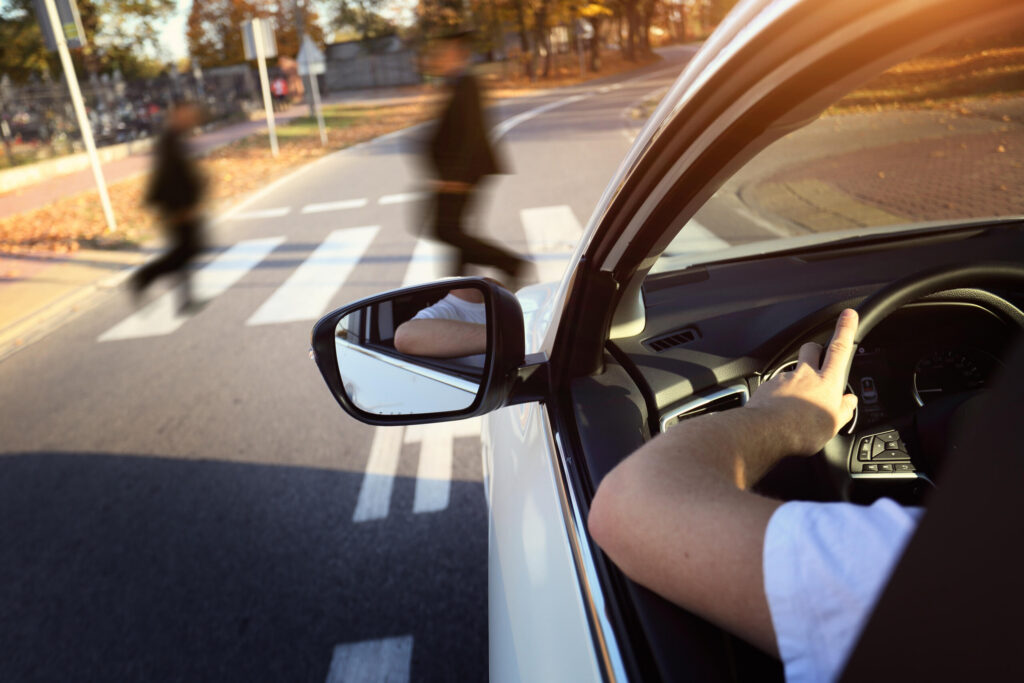
Frequently Asked Questions About Pedestrian Accident Claims in St. Pete
How long do I have to file a pedestrian injury claim in Florida?
Florida allows two years from the crash date to file a negligence lawsuit.
Claims involving a government agency add a step. Florida law requires written notice to the agency, and for state agencies such as FDOT, to the Department of Financial Services, within three years.
The agency then has up to six months to respond before a lawsuit can proceed. Because these timelines overlap, many attorneys work toward the two-year mark regardless of who may be at fault.
What if the driver who hit me drove away?
A hit-and-run doesn't leave you without options. Your PIP coverage still applies, and uninsured motorist coverage on your policy or a household member's policy may pay for losses beyond PIP. Police may still identify the driver through cameras or witness tips, and any criminal case runs separately from your injury claim.
Can I still bring a claim if the police report blames me?
Yes, a police report that points to you doesn't settle your claim. Officers often form an opinion quickly, sometimes after hearing only the driver while you were headed to the hospital. Florida also limits how crash reports can be used at trial, and witnesses and video frequently tell a fuller story.
Does Florida law apply if I was visiting St. Petersburg when a car hit me?
Yes, Florida law generally governs a claim against a driver who hit you in St. Petersburg, including its deadlines and fault rules. Your home state's auto policy may still provide some medical coverage. Living elsewhere doesn't weaken your claim, and much of the process can happen by phone and email.
How long does a pedestrian injury case usually take?
Timelines vary with the injury. Many attorneys wait until doctors have a clear picture of long-term needs, because settling too early can leave future care unpaid. Some claims resolve within months, while others involve a lawsuit and take a year or longer.
Talk with Roman Austin About What Happened on US-19
Improvements to pedestrian safety on US-19 move on a government timeline, but your claim doesn't have to wait for a road project. If a driver's choices on 34th Street left you injured, our firm starts with the details that matter: the exact spot, the lighting, the signals, the nearby cameras, and every insurance policy that might apply.
Our St. Petersburg office sits on Beach Drive NE, a short drive from the corridor, and sitting down with us costs you nothing. Our line at (727) 787-2500 is answered day and night. Tell us what happened on US-19, and Roman Austin will give you an honest read on where your claim stands.
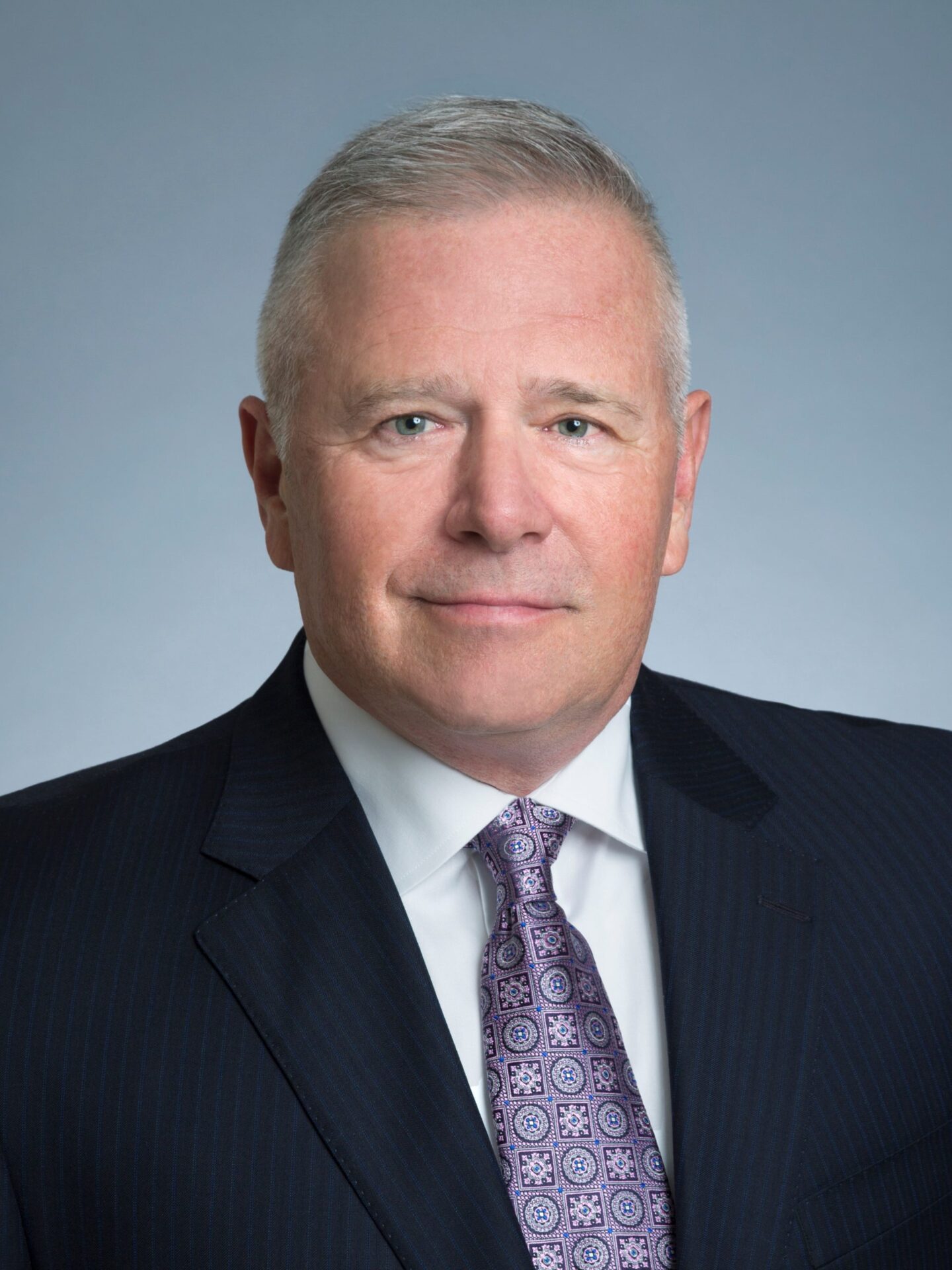
Mark S. Roman
Board Certified Civil Trial Attorney and Founder
Mark S. Roman is the founder of Roman Austin Car Accident and Personal Injury Lawyers and a Board Certified Civil Trial Lawyer, a credential held by fewer than 2% of Florida attorneys. A Tampa Bay native, he has practiced throughout Florida since 1986 and founded the firm in 1996 to represent injured people in his hometown.
He earned a B.S. in Journalism from the University of Florida in 1981 and his J.D. from Florida State University College of Law in 1986. Mark is AV Rated by Martindale-Hubbell, holds a perfect 10 AVVO rating, and belongs to the Multi-Million Dollar Advocates Forum. He has served on the Florida Bar Grievance Committee for both Pinellas and Pasco counties, chairing the Pasco committee.
Author's Bio

