

Roman Austin | November 9, 2025 | Car Accidents

Clearwater’s coastal beauty has a volatile side. The same sun-drenched roads we travel every day can turn treacherous in a heartbeat when a subtropical storm unleashes a deluge or sea fog blankets the bridges.
Most drivers adapt, slowing down and increasing their following distance. But some do not. If you were injured because another driver treated a hazardous, low-visibility road like a clear, sunny day, you are the one left to deal with the wreckage of their carelessness.
These weather-related accidents in Clearwater are not just unfortunate events; they are the direct result of negligence.
Your shelter from the storm
When bad weather leads to an accident, the situation can seem murky. These foundational points help clear the air and illuminate your path forward.
- A driver’s legal responsibility to operate their vehicle safely does not disappear in fog or rain. Their duty to exercise caution actually increases.
- The “Act of God” defense rarely applies to foreseeable Florida weather like heavy rain. Negligence is usually the true cause of the crash.
- Evidence fades fast, especially in bad weather. Photographs of the scene, vehicle positions, and road conditions are immensely valuable for your claim.
- Florida’s comparative negligence rule plays a significant part in these cases, as an insurer may try to argue the poor visibility affected your driving as well.
The Driver’s Duty in Hazardous Weather
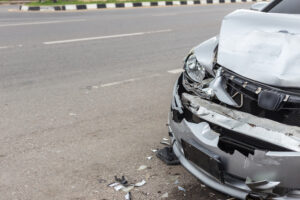
Florida law requires every driver to operate their vehicle in a safe and prudent manner according to the conditions. This means a speed limit of 55 mph might be legal on a clear day but constitutes reckless behavior in a torrential downpour.
A court may find a driver negligent for the harm they cause if they fail to adapt their actions to the weather.
Adjusting speed for conditions
The most fundamental adjustment a driver must make is to their speed. Driving too fast for conditions is a primary cause of weather-related accidents. A reasonable driver slows down significantly in heavy rain or fog to increase reaction time and maintain control of their vehicle.
A person who continues at the posted speed limit on a wet, slick road puts everyone around them at risk.
Hydroplaning
On Clearwater’s flat coastal roads, heavy rain can quickly lead to standing water. When a vehicle travels too quickly over this water, the tires can lose contact with the road surface, causing the driver to lose all steering and braking control.
This terrifying phenomenon, known as hydroplaning, often leads to spinouts and multi-car pileups. Slowing down is the primary way to prevent hydroplaning.
Using Headlights and Hazard Lights Correctly
Visibility is the biggest challenge in bad weather. Proper use of a vehicle’s lighting systems is a legal requirement and a safety necessity. The Florida Highway Safety and Motor Vehicles Department outlines specific rules for drivers.
When visibility is poor, drivers must take extra care to ensure they are seen. Florida law dictates specific actions a driver should take to improve their visibility to others.
- Activating low-beam headlights anytime windshield wipers are in use or during fog.
- Avoiding the use of high beams in fog, as the light reflects off the water droplets and worsens visibility.
- Using hazard lights only when the vehicle is stopped or disabled on the side of the road, not while driving.
A driver who fails to use their headlights in a downpour can be nearly invisible to other vehicles, directly contributing to a collision. This failure is a clear sign of negligence.
Common Weather-Related Accidents on Clearwater’s Coastal Roads
Our unique coastal environment creates specific accident scenarios. The combination of heavy traffic, high-speed causeways, and sudden, intense weather events leads to predictable types of collisions.
Rear-end collisions in sudden downpours
A sudden, blinding rainstorm can drastically reduce visibility and follow-distance in an instant. On roads like U.S. 19 or the Bayside Bridge, a driver who is following too closely will not have enough time to stop when the car ahead of them brakes.
These forceful rear-end collisions often cause whiplash, back injuries, and chain-reaction pileups.
Loss of control accidents on wet pavement
Oil and other vehicle fluids accumulate on roadways over time. When a light rain begins, these substances mix with the water to create an exceptionally slippery surface.
A driver who takes a curve too fast or makes a sudden maneuver can easily lose control, spinning out into oncoming traffic or sliding off the road.
Sideswipes and merging accidents in dense fog
The causeways connecting Clearwater to Tampa and St. Petersburg are highly susceptible to thick sea fog. In these low-visibility conditions, drivers can have difficulty judging the distance and speed of vehicles in adjacent lanes.
This frequently leads to unsafe lane changes and sideswipe accidents when a driver merges directly into the path of another car they simply did not see.
Proving Negligence When Visibility is Low
The other driver’s insurance company may argue that the accident was unavoidable due to the weather. This is rarely the case. A successful personal injury claim cuts through these excuses by using evidence to prove the other driver acted unreasonably given the circumstances.
The “reasonable person” standard in bad weather
The law does not ask if it was possible for the driver to see you. It asks what a “reasonable person” would have done in the same situation. A reasonable person slows down, increases following distance, turns on their headlights, and remains highly alert.
The driver who caused the crash is negligent if their actions fell short of this standard.
Gathering Evidence After a Weather-Impacted Crash
Collecting evidence is paramount in any accident, but it takes on special importance in weather-related cases. Your legal team works to preserve all available information.
A thorough investigation pieces together the moments before the collision. This effort establishes a factual record of the driver’s negligent behavior.
- Acquiring traffic or surveillance camera footage that shows the road conditions and the crash itself.
- Finding and interviewing witnesses who can testify about the other driver’s speed or erratic behavior.
- Analyzing the vehicle’s “black box” data, which may record the speed at the moment of impact.
- Examining photos of the scene that show the weather, visibility, and road surface conditions.
This collection of facts helps demonstrate that the crash was not a random event but the direct result of a driver’s poor choices.
Overcoming the “act of god” defense
An “Act of God” is a legal term for a natural event that is so sudden and unforeseeable that no reasonable human preparation could prevent it. An insurance company might try to use this defense, but it rarely holds up.
A typical Florida thunderstorm or fog bank is a foreseeable event. Drivers in Clearwater know that such weather occurs and have a duty to prepare and drive accordingly.
Florida’s Laws and Your Weather-Related Claim
The state’s specific statutes on fault and insurance have a direct impact on your case. A legal professional can apply these laws to the facts of your weather-related accident.
Comparative negligence in low visibility
An insurer will likely argue that the poor visibility affected you, too. Florida’s comparative negligence law, found in Florida Statutes § 768.81, allows for fault to be shared.
If you are found to be 10% at fault, for instance, a court may reduce your final compensation amount by 10%. An attorney’s objective is to use evidence to show the other driver bears the overwhelming majority of the fault.
Your PIP coverage for immediate needs
Florida is a no-fault state, so you will first use your own Personal Injury Protection (PIP) insurance for your initial medical costs. PIP covers a percentage of your medical bills and lost wages up to your policy limit, usually $10,000.
For serious injuries, this amount is often insufficient. A personal injury claim against the at-fault driver is necessary to fight for the remaining damages.
The statute of limitations remains the same
The weather does not change the legal deadlines. Florida law gives you four years from the date of the accident to file a personal injury lawsuit. Waiting too long to take action could mean losing your right to seek compensation permanently.
The Problem with AI for Weather-Specific Accident Claims
You might consider using an AI tool for information after a crash. These programs are good for general facts, but they fall short when it comes to real-world legal analysis.
An AI cannot evaluate how the fog on the Sand Key Bridge at 7 a.m. should have affected a driver’s speed. It cannot interpret a police report that lists “wet pavement” as a contributing factor or cross-reference that with witness testimony.
Relying on an algorithm for legal strategy in a fact-specific case is a significant risk. You need a qualified human attorney for guidance grounded in the reality of your accident.
FAQ for Weather-Related Accidents in Clearwater
Do I still need to call the police if the accident seems minor and the weather is bad?
Yes. A police report is an official record of the car accident. It documents the date, time, location, parties involved, and the officer’s initial impressions of the scene and conditions. This report is a valuable piece of evidence, and you should always call the police after any crash that involves injuries or property damage.
What if my own car’s tires were worn? Can that hurt my claim?
It might. The defense could argue your worn tires contributed to your inability to stop or control your vehicle, which is an argument for comparative negligence. However, if the other driver was speeding and ran a red light, their negligence is still the primary cause of the crash. An attorney can work to minimize the impact of factors like tire wear on your overall claim.
Are truck drivers held to a higher standard than other drivers in bad weather?
Yes. Commercial truck drivers are held to a higher standard of care because they are professional drivers operating heavy, dangerous machinery. They receive specialized training on how to handle their rigs in adverse conditions like heavy rain and high winds. A court may find a trucking company and its driver negligent if the driver failed to take appropriate precautions.
Can I be at fault for driving too slowly in heavy fog?
It is possible, but this is unlikely to be the primary cause of an accident. While impeding the flow of traffic can be a violation, the greater duty is for all drivers to slow down to a safe speed in low visibility. A driver who rear-ends you in the fog was almost certainly driving too fast for the conditions, making them the predominantly negligent party.
Finding a Clear Path Forward
The aftermath of a weather-related accident can be as confusing as the conditions that caused it. You do not have to find your way through it alone. An experienced personal injury attorney can investigate the crash, collect the necessary evidence, and fight the insurance companies on your behalf.

The team at Roman Austin Personal Injury Lawyers is here to help.
Contact us today for a free, no-obligation consultation to discuss your case. We are ready to listen to your story and explain your legal options.
Call us at (727) 787-2500 or complete our online contact form. Let our experience help you, so you can focus on your recovery.


