


After being physically attacked, you’re dealing with medical bills, lost wages, fear about returning to the place where it happened, and anger that someone else’s violence has upended your life. You may have filed a police report or participated in a criminal case, but that doesn’t address your financial losses, ongoing medical needs, or the emotional trauma you’re carrying.

Florida law allows assault and battery victims to pursue civil claims for compensation, separate from any criminal prosecution. You can sue the person who attacked you, and in certain cases, you can also hold property owners, businesses, or security companies liable if inadequate security or negligent practices created the conditions that allowed the attack to happen.
Roman Austin handles assault and battery injury cases throughout St. Petersburg. We know how to build civil assault claims, identify all liable parties, including property owners, and pursue full compensation for your injuries and emotional distress. Contact a St. Petersburg assault injury lawyer for a free consultation.
Why Choose Roman Austin for Your Assault Injury Claim
Civil assault and battery cases require different strategies than typical accident claims. You’re not just proving negligence—you’re proving someone intentionally harmed you, and often you’re also building a case against third parties whose security failures allowed the attack to happen.
We handle the claim process.
From the moment you contact us, we manage all legal requirements, including gathering evidence, coordinating with law enforcement, identifying liable parties, and communicating with insurance companies. You won’t have to relive the attack through repeated conversations with adjusters or investigators.
We know Florida assault and battery law.
Civil assault and battery claims in Florida follow specific definitions under Florida Statutes § 784.011 (assault) and § 784.03 (battery), plus negligent security law that governs when property owners can be held liable for violent crimes on their premises. We understand these legal standards, how to prove intentional torts, and how to pursue third-party defendants with deeper insurance coverage than individual attackers.
Free consultations, no upfront costs.
We offer free case reviews and handle assault injury cases on a contingency fee basis—you pay no attorney fees unless we recover compensation for you. Our team is available 24/7 at our St. Petersburg office and throughout Pinellas County. You can reach Roman Austin at our St. Petersburg office at (727) 335-1373, with additional offices in Clearwater (Belcher), Clearwater (Congress Ave) – HQ, New Port Richey, Safety Harbor, and Tampa.
What Qualifies as Civil Assault and Battery in Florida
Florida law defines assault and battery as separate but related intentional torts:
Definition of Assault
Assault (Florida Statute § 784.011) is an intentional, unlawful threat by word or act to do violence to another person, coupled with an apparent ability to do so, and doing some act which creates a well-founded fear in the other person that violence is imminent. In simpler terms, assault is the threat of immediate harm that makes you reasonably afraid violence is about to happen.
Definition of Battery
Battery (Florida Statute § 784.03) is the actual and intentional touching or striking of another person against their will, or intentionally causing bodily harm to another person. Battery is the physical contact itself: the punch, kick, shove, or unwanted, harmful touching.
Examples of Assault and Battery
Common assault and battery situations in St. Petersburg include:
- Downtown nightlife incidents — Bar fights, nightclub altercations, and street confrontations in the Central Arts District, Grand Central District, or Beach Drive area fueled by alcohol, overcrowding, or inadequate security.
- Parking lot and street attacks — Road rage incidents, confrontations that turn violent, or random attacks in poorly lit or unsecured areas throughout Pinellas County.
- Apartment and hotel assaults — Attacks in common areas, parking structures, or units where broken locks, poor lighting, or absent security allowed the attacker access.
- Retail and workplace violence — Attacks by customers, coworkers, or third parties on business premises where security measures failed.
- Dating and domestic violence — Physical abuse by current or former intimate partners, which can support both criminal prosecution and civil compensation claims.
- Sexual assault — Unwanted intentional touching can constitute battery, and some incidents also involve separate sexual-offense laws.
You don’t need criminal charges or a conviction to pursue a civil assault or battery claim. Civil cases use a lower standard of proof (preponderance of the evidence rather than beyond a reasonable doubt) and serve a different purpose: compensating you for harm rather than punishing the attacker.
The Difference Between Criminal and Civil Assault Cases
Many assault victims assume the criminal justice system will take care of everything. It doesn’t. Criminal cases and civil assault claims serve different purposes and produce different outcomes.
Criminal Cases for Assault
Criminal cases are brought by prosecutors, not victims. The state decides whether to charge the attacker, what charges to file, and whether to accept plea deals. If convicted, the attacker faces jail time, probation, or fines paid to the state. Victims may receive court-ordered restitution, but those orders are often difficult to enforce and rarely cover full damages.
Civil Cases for Assault Injury
Civil assault and battery cases are brought by the victim. You control the case, your attorney represents your interests, and any compensation recovered goes to you, not the state. Civil claims can recover medical expenses, lost wages, pain and suffering, emotional distress, and other damages that criminal restitution doesn’t address.
Pursuing Both Cases Simultaneously
You can pursue both simultaneously. Filing a civil premises liability lawsuit doesn’t interfere with criminal prosecution, and you don’t have to wait for the criminal case to conclude before filing your civil claim. In fact, evidence gathered during criminal proceedings, like police reports, witness statements, defendant admissions, often strengthens civil cases.
Third-Party Liability in Civil Cases
Civil cases often target different defendants. While you can sue the person who attacked you, civil claims frequently focus on third parties with better ability to pay: property owners who failed to provide adequate security, businesses that willfully and unlawfully served alcohol to a minor or knowingly served a person habitually addicted to alcohol, in situations where that illegal service contributed to the harm, or security companies that failed to prevent foreseeable violence.
Negligent Security and Third-Party Liability
Attackers often lack insurance or assets to pay substantial damages. Property owners, businesses, and other third parties may share liability if their negligence created or failed to prevent the dangerous condition that allowed the attack.
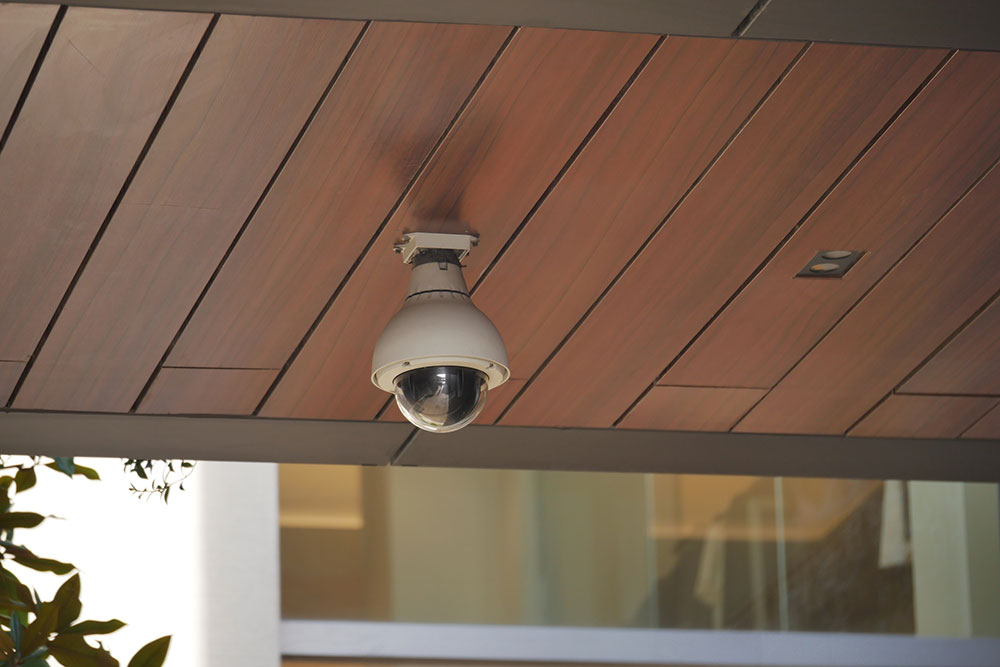
Florida law recognizes negligent security claims when property owners knew or should have known about a foreseeable risk of crime but failed to take reasonable security measures. Proving negligent security requires showing:
- The property owner owed you a duty of care — Business invitees and tenants are owed the highest duty; property owners must maintain reasonably safe premises.
- Foreseeability — Foreseeability can be shown in different ways, including prior similar incidents, crime patterns in the area, or conditions on the property that made an attack more likely.
- Security measures were inadequate — Broken locks, poor lighting, absent security guards, broken cameras, or other failures to provide reasonable protection.
- The inadequate security proximately caused your injuries — The lack of reasonable security was a substantial factor in allowing the attack to occur.
Common negligent security scenarios in St. Petersburg include:
- Apartment complexes with broken gates, non-functioning cameras, or poor lighting where attackers easily access buildings and assault residents.
- Bars and nightclubs that under-staff security, allow overcrowding, or fail to intervene in escalating confrontations before violence erupts—particularly common in downtown St. Pete’s entertainment districts.
- Parking garages and lots with inadequate lighting, no security patrols, or hidden areas where attackers wait for victims.
- Hotels that fail to secure guest floors, provide functioning room locks, or screen visitors allowing attackers access to guests.
- Retail stores and businesses that don’t train staff to handle aggressive customers or fail to call police when threats escalate.
Identifying third-party liability often makes the difference between recovering meaningful compensation and pursuing an uncollectible judgment against an individual attacker with no assets.
What Damages Are Available in Assault and Battery Cases
Florida law allows assault and battery victims to recover both economic and non-economic damages:
Economic damages include:
- Medical expenses — Emergency treatment, hospitalization, surgery, physical therapy, counseling and mental health treatment, medication, and future medical care related to the injuries.
- Lost wages — Income you missed while unable to work, plus future earning capacity if injuries prevent you from returning to your previous job or reduce your ability to earn.
- Property damage — Damaged clothing, phones, eyeglasses, or other personal property destroyed during the attack.
Non-economic damages include:
- Pain and suffering — Physical pain from injuries, ongoing discomfort, and reduced quality of life.
- Emotional distress — Anxiety, depression, PTSD, fear, sleep disturbances, and other psychological harm caused by the attack.
- Loss of enjoyment of life — Inability to participate in activities you previously enjoyed due to physical injuries or emotional trauma.
- Disfigurement and scarring — Permanent visible injuries that affect your appearance and self-esteem.
Punitive damages may be available in limited cases. Florida law generally limits punitive damages, with exceptions that can apply depending on the facts.
The value of assault and battery claims depends on injury severity, medical treatment required, impact on your ability to work and function, and the degree of emotional trauma.
Statute of Limitations for an Assault or Battery Lawsuit in Florida
Florida law imposes strict time limits on assault and battery claims. Under § 95.11(3)(n), you generally have four years from the date of the incident to file a civil lawsuit. Many negligence-based personal injury cases have a two-year deadline under § 95.11(5)(a). Missing the applicable deadline will usually make the claim time-barred, though limited exceptions can apply.
Additional considerations that may affect your timeline:
- Claims against government entities may have shorter notice deadlines if the attack occurred on government property or involved government employees.
- Evidence degrades over time. Witness memories fade, surveillance footage gets deleted, and physical evidence disappears. Early investigation protects your case.
- Criminal cases don’t extend civil deadlines. Even if criminal prosecution is ongoing, the four-year clock runs from the date of the attack, not the conclusion of criminal proceedings.
Given these time pressures and the need for thorough investigation, contact an assault injury attorney as soon as you’re able after an attack.
Florida Victim Compensation Can Help With Immediate Costs
While your civil claim proceeds, Florida’s Bureau of Victim Compensation may be available in some cases and is subject to eligibility rules and benefit limits, including:
- Medical and mental health treatment costs
- Lost wages (up to certain limits)
- Funeral expenses in fatal cases
- Crime scene cleanup
- Relocation expenses, if necessary for safety
Victim compensation is designed to help with urgent needs while your civil case develops. It doesn’t replace a civil lawsuit. However, it can ease immediate financial pressure.
How Roman Austin Handles Assault Injury Cases

We begin with a thorough investigation to understand what happened, who’s responsible, and what evidence exists to support your claim:
- Gathering evidence — We obtain police reports, witness statements, medical records, surveillance footage from the property and nearby businesses, prior incident reports, and any documentation of security failures.
- Identifying all liable parties — We investigate not just the attacker but property owners, businesses, security companies, and other third parties whose negligence contributed to the attack.
- Documenting injuries and damages — We work with medical providers, mental health professionals, and economic experts, as needed, to document your physical injuries, emotional trauma, and financial losses.
- Negotiating with insurers — Property owners and businesses often have liability insurance covering negligent security claims. We handle all negotiations and push back against attempts to minimize your damages or blame you for the attack.
- Litigation, when necessary — If settlement negotiations fail, we file suit and take your case to trial. Our willingness to litigate demonstrates that we’re serious about holding negligent parties accountable.
We handle assault injury cases on a contingency fee basis, so you pay no attorney fees unless we recover compensation for you.
FAQ for St. Petersburg Assault Injury Lawyer
Can I Sue Someone Civilly for Assault or Battery in Florida?
Yes. You can file a civil lawsuit against the person who attacked you, seeking compensation for medical expenses, lost wages, pain and suffering, and emotional distress. You don’t need criminal charges or a conviction to pursue a civil claim. Civil cases use a lower standard of proof and serve a different purpose than criminal prosecution.
Do I Need a Police Report or Criminal Charges to Bring a Civil Case?
No. While police reports and criminal charges strengthen civil cases by providing independent documentation of the attack, you can pursue civil claims without them. Some assault victims don’t report attacks to police immediately, fear the criminal justice process, or encounter situations where police decline to file charges. Civil cases proceed independently of criminal prosecution and use different evidence standards.
What if the Person Who Attacked Me Has No Money or Insurance?
This is one of the most common concerns in assault cases, and it’s why investigating third-party liability is so important. Individual attackers often lack assets or insurance to pay a judgment. That’s why experienced attorneys look beyond the attacker to identify property owners, businesses, or security companies whose negligence contributed to the attack.
When Is a Property Owner Liable for an Attack in Florida?
Property owners can be held liable when inadequate security or negligent practices created conditions that allowed a foreseeable attack. You must prove the owner knew or should have known about crime risks (often through prior similar incidents), failed to provide reasonable security (working locks, adequate lighting, security personnel), and that this failure allowed the attack to occur.
Will Filing a Civil Lawsuit Affect the Criminal Case Against My Attacker?
No. Civil and criminal cases proceed independently on separate tracks. Your civil lawsuit won’t interfere with the prosecutor’s criminal case, and you can pursue civil claims even if criminal charges weren’t filed or the attacker was acquitted. In fact, evidence gathered during criminal proceedings often strengthens civil cases.
Contact a St. Petersburg Assault Injury Lawyer About Your Case
You didn’t ask for this. You shouldn’t have to carry the financial burden, emotional trauma, and disruption to your life because someone else chose violence or a property owner chose to ignore security risks.
Roman Austin handles assault and battery injury cases throughout St. Petersburg, including downtown, Gateway, Tyrone, and throughout Pinellas County. Whether your injuries resulted from a bar fight, parking lot attack, apartment complex assault, or any other violent incident involving inadequate security, we can review your situation and explain your legal options.
Contact Roman Austin’s St. Petersburg assault injury attorney for a free consultation—available 24/7. We handle assault injury cases on a contingency fee basis. You pay no attorney fees unless we recover compensation for you.