Getting hit by an Uber driver in Tampa brings a strange kind of confusion that a regular car accident doesn't. Suing Uber directly after an accident in Tampa sounds straightforward until you realize the company built its entire business model around not being the one you sue.
Uber calls its drivers independent contractors, not employees, and that single word choice changes who pays for your medical bills, your lost wages, and your pain.
If someone else's Uber driver caused your crash, or if you lost someone you love in one, you deserve clear answers about how these claims actually work. A Tampa Uber accident attorney can walk through the coverage details with you at no cost, and reaching out early often matters more than people expect.
Key Takeaways: Suing Uber Directly After an Accident
- Uber's driver classification as independent contractors makes it harder, though not impossible, to hold the company directly responsible.
- Insurance coverage in an Uber accident depends heavily on the driver's app status at the moment of the crash.
- Corporate liability can still apply when Uber's own conduct, not just the driver's, contributed to the harm.
- Florida's comparative negligence rules can reduce a settlement if you're found partially at fault.
- Documenting the driver's app status right after a crash can shape the entire direction of a claim.
Can I sue Uber directly after an accident in Tampa?
Suing Uber directly after a Tampa accident is possible in limited situations, but Florida law usually routes injury claims through the driver's insurance or Uber's contingent policy instead of a direct lawsuit against the corporation.
‣ Uber classifies its drivers as independent contractors, which shields the company from most direct liability claims.
‣ Corporate liability can still apply if Uber's own negligence, such as poor background checks or app design flaws, contributed to the crash.
‣ Insurance coverage depends on whether the driver was logged into the app, waiting for a ride request, or actively transporting a passenger.
A Tampa Uber accident attorney can review the details of a specific crash and identify which party or policy applies.
What Makes It Hard to Sue Uber Directly After a Tampa Accident?







Uber structures its business so that drivers, not the company, carry most of the legal exposure for crashes. That structure starts with how Uber classifies the people behind the wheel.
What Makes Uber Drivers Different from Traditional Employees
Uber drivers work as independent contractors rather than employees, and that distinction removes most of the legal responsibility a company would otherwise carry. Employers typically answer for an employee's on-the-job conduct under a legal principle called vicarious liability.
Independent contractors operate their own schedules, use their own vehicles, and carry that responsibility themselves in most cases. Uber has defended this classification in court for years, and Florida courts have generally upheld it.
This is precisely why an attorney's review of the driver's app activity often decides whether a claim points toward the driver, the driver's insurer, or Uber's corporate policy.
How Florida Law Treats Independent Contractors in Accident Claims?
Florida follows the same general rule as most states: a company isn't liable for an independent contractor's negligence unless specific exceptions apply. Courts look at how much control a company exercises over the worker's daily tasks.
Uber sets fares, manages the app, and can deactivate drivers, but it doesn't dictate routes or hours the way a traditional employer would.
That middle ground is exactly where Uber driver classification liability questions get complicated, and it's usually where an attorney's involvement makes the biggest difference in how a claim gets framed.
How Does Uber Driver Classification Liability Affect Your Case?
Driver classification determines who your claim targets first, and it shapes every negotiation that follows. Understanding it early can save weeks of confusion.
Uber's classification of drivers as contractors instead of employees means most injury claims start with the driver's personal auto policy or Uber's contingent commercial policy, not a lawsuit against Uber itself.
This isn't a technicality; it's the foundation of the entire claims process.
Florida requires rideshare companies to carry at least $1 million in liability coverage while a driver is actively transporting a passenger, but that coverage shrinks dramatically when the driver is simply logged into the app and waiting. Knowing which coverage tier applies is often the first real task in a Tampa Uber case.
| Aspect | Key Concept | Impact on Claim |
|---|---|---|
| Driver Status | Independent Contractor | Limits direct corporate liability; claims generally target driver's insurance or Uber’s contingent policy. |
| Legal Principle | Lack of Control | Uber avoids "vicarious liability" because they don't dictate specific hours or routes like an employer. |
| Claims Process | Early App Status Review | Determines coverage tier (personal auto policy, limited contingent policy, or $1M liability policy). |
How Insurance Coverage Changes Based on Driver Status?
Uber insurance coverage shifts through three distinct phases depending on what the Uber driver was doing when the crash happened.
- Offline or app closed: Only the driver's personal auto insurance applies, and many personal policies exclude rideshare activity entirely.
- App on, waiting for a ride request: Uber provides limited contingent coverage, typically $50,000 per person for injuries.
- En route to pick up a rider or during an active trip: Uber's $1 million policy applies, offering the strongest protection for injured parties.
Pinpointing which phase applies at the moment of impact often requires app data that only an attorney can subpoena through the claims or litigation process.
The middle tier deserves a closer look since it's the one people misunderstand most. That $50,000 figure isn't a single lump sum; it typically breaks down into $50,000 per person, $100,000 per accident, and $25,000 for property damage.
A serious injury can exceed that per-person cap quickly once ambulance transport, imaging, surgery, and physical therapy enter the picture, which is one reason claimants in this tier sometimes need to look beyond Uber's policy toward the driver's personal coverage or an underinsured motorist claim of their own.
How Florida's Comparative Negligence Rule Can Affect Your Claim?
Florida's comparative negligence rule reduces your compensation by whatever percentage of fault a jury or insurer assigns to you, and it bars recovery entirely if you're found more than 50 percent at fault.
Say a jury decides you were 20 percent responsible for a Tampa intersection collision with an Uber driver; your award drops by that same 20 percent. Insurance adjusters often use this rule strategically, assigning drivers partial fault to shrink a payout before litigation even begins.
A Tampa Uber accident attorney typically pushes back on these fault assignments using traffic camera footage, cell phone records, or accident reconstruction when the numbers don't add up.
When Does Corporate Liability Apply in an Uber Accident Claim?
Corporate liability applies when Uber's own decisions, not just the driver's actions, contributed to a crash. This distinction opens a separate path toward the company itself.
What Corporate Liability in Uber Accident Claims Looks Like in Practice
Corporate liability in Uber accident claims arises when the company's negligence, rather than the driver's, causes or worsens a crash. Examples include:
- Inadequate background checks that let a driver with a dangerous record onto the platform
- App defects that distract drivers or send them into unsafe routes
- A documented pattern of ignoring passenger safety complaints
Negligent retention claims can also apply when Uber keeps a driver active after multiple passenger complaints or traffic violations surface in its own system. These claims require more investigation than a standard driver-negligence case because they hinge on internal company records.
An attorney typically needs to request driver history files, app version logs, and prior complaint records before this type of claim can move forward.
Why Does Uber's App Status Matter So Much for Corporate Responsibility?
Uber's app status matters because it acts as the trigger that determines which insurance tier, and sometimes which party, applies to a crash. A driver waiting for a fare carries far less coverage than one actively transporting a rider.
Tampa's mix of tourist traffic on Kennedy Boulevard and heavy rideshare pickup zones near Ybor City and the airport means app status disputes come up often here, since drivers frequently toggle the app on and off in high-traffic pickup areas.
What Should You Consider Before Filing a Tampa Uber Accident Lawsuit Against Uber?
Building a strong claim starts with gathering the right information early, before memories fade and records disappear. A few practical steps can shape how a case unfolds.
Several considerations can strengthen a potential Tampa Uber accident lawsuit against Uber or its insurer.
- Requesting a copy of the police report early helps establish an official record of who was involved and what happened.
- Saving screenshots of the ride confirmation, driver profile, or trip receipt preserves proof of the driver's app status at the time of the crash.
- Keeping a simple log of medical appointments and how the injury affects daily routines supports a more complete picture of the harm.
- Noting the names and contact information of any bystanders who witnessed the crash can also add weight to a claim since witness accounts often carry more credibility than a driver's own version of events.
Many claimants find that bringing this documentation to an attorney consultation allows for a faster and more accurate case evaluation.
Why Do You Need an Attorney After an Uber Accident in Tampa?
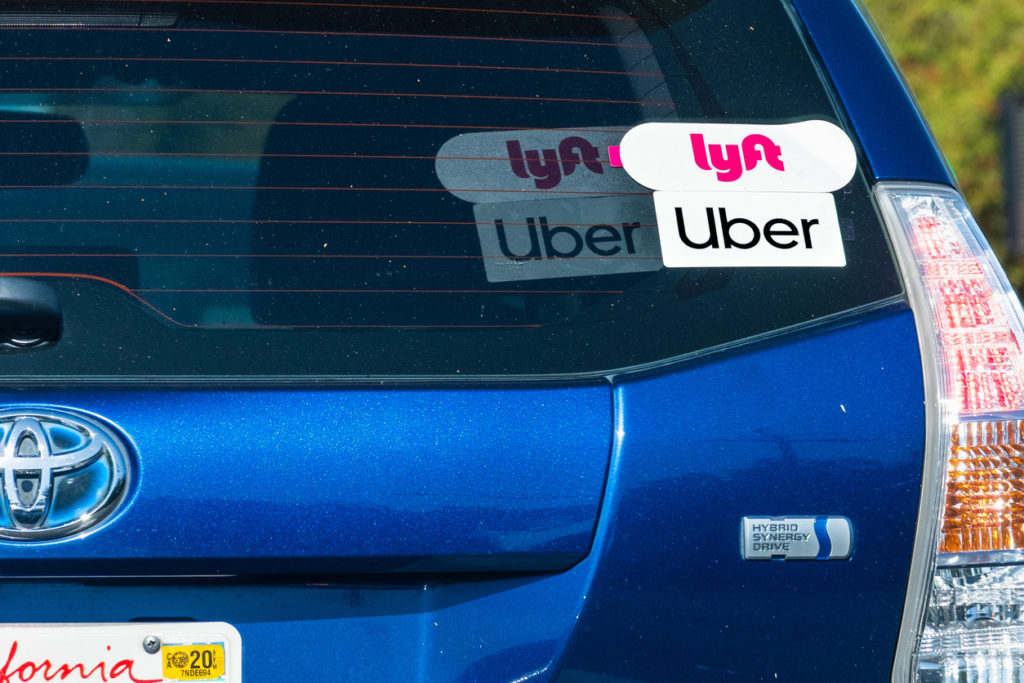
An attorney's involvement in an Uber accident case does more than fill out paperwork. Rideshare claims involve layered insurance policies, app data that only exists for a limited window before it's overwritten, and a corporate defendant with legal resources most individuals can't match on their own.
What an Attorney Handles That Most Claimants Can't
Figuring out which insurance tier applies, requesting the right records from Uber before they disappear, and calculating a fair value for medical costs and lost income all require legal knowledge that most people simply don't have on hand after a crash.
Spotting Corporate Negligence Beyond the Driver
A knowledgeable attorney can also spot when a case points toward corporate negligence rather than driver negligence alone, which changes the entire strategy and potential value of a claim.
Why Uber's Insurance Adjusters Aren't Neutral
Beyond that, Uber's insurer often assigns adjusters who handle rideshare claims exclusively and negotiate from a position most claimants aren't prepared to match on their own.
How a Skilled Attorney Levels the Negotiation
A skilled attorney levels that exchange by countering with documented medical costs, wage records, and a clear account of how the injury has changed daily life.
Related Posts
Frequently Asked Questions About Suing Uber Directly After a Crash
How long do you have to file an Uber accident claim in Tampa?
Florida generally gives injury victims two years from the date of the crash to file a lawsuit, though the exact deadline can shift depending on the details of the case.
Missing this window typically bars recovery entirely, so reaching out to an attorney sooner rather than later protects your options.
Does Uber's $1 million policy always apply after a crash?
No, the $1 million policy only applies when the driver was actively en route to a pickup or during an active trip. Coverage drops significantly, or disappears altogether, if the driver was offline or waiting without a ride request.
Can a passenger inside the Uber file a claim too?
Yes, passengers injured during a ride typically have a strong claim against the driver's insurance, since Uber's coverage is active during trips by design. Passengers should still document the ride details and seek medical care promptly to support the claim.
What if the Uber driver was not logged into the app during the crash?
If the driver wasn't logged in, Uber's coverage generally doesn't apply, and the driver's personal auto policy becomes the primary source of compensation. Many personal auto policies exclude rideshare activity, which can complicate recovery and often calls for legal guidance.
What kinds of compensation might an Uber accident claim cover?
Compensation may cover medical bills, lost wages, property damage, and pain and suffering, depending on the severity of the injuries and the applicable insurance coverage. The exact value depends heavily on which insurance tier applies and the strength of the supporting documentation.
Contact Roman Austin Car Accident and Personal Injury Lawyers Today

Attorney and Founder
Losing someone, or living with a new injury, because of an Uber driver's choices leaves a lot of unanswered questions about who actually pays for the damage done.
The attorneys at Roman Austin Car Accident and Personal Injury Lawyers help Tampa families sort through driver classification issues, insurance tier disputes, and corporate liability questions so they don't have to guess their way through it alone.
Call us at (813) 422-7772 for a free consultation and let us look at the specific details of your crash.
Roman Austin Car Accident and Personal Injury Lawyers 401 E Jackson St Suite 3319, Tampa, FL 33602
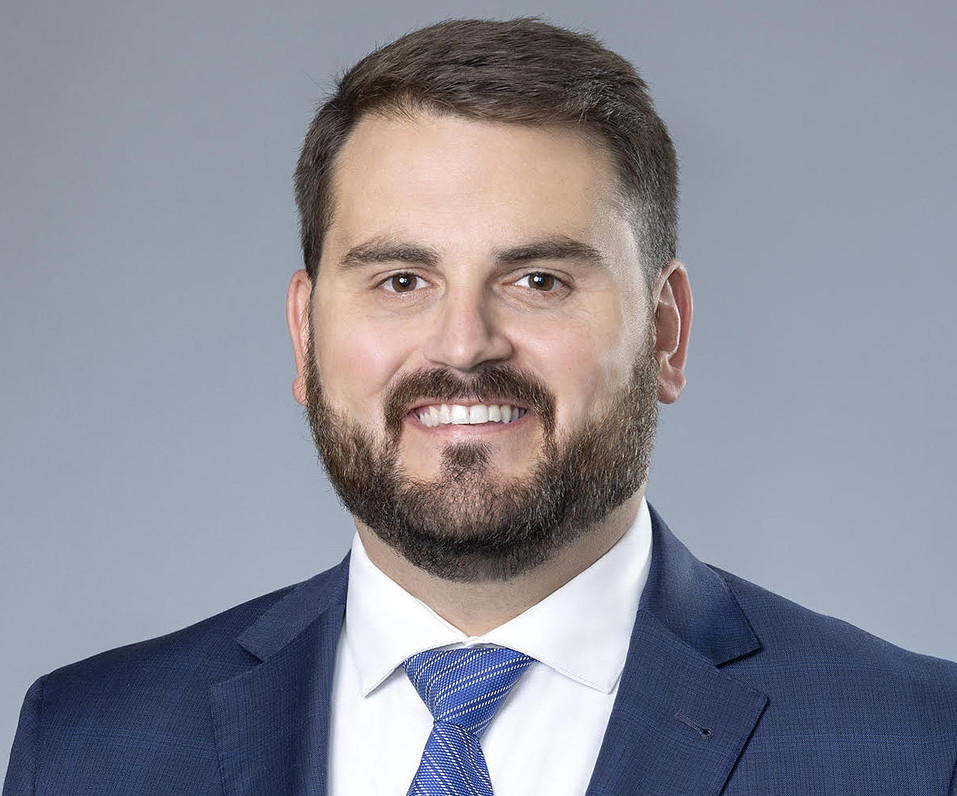
Miles H. Hickman
Partner and Trial Attorney
Miles H. Hickman spent his first six years in practice defending insurance companies at a St. Petersburg firm, where he managed a legal team of more than ten. He has handled cases from pre-suit through trial as both first and second chair. A lifelong central Florida resident and Stetson University College of Law graduate, he is a Super Lawyers Rising Star and a member of the Million Dollar Advocates Forum.
Author's Bio

