Sidewalks crack. Crosswalk signals malfunction. Streetlights burn out and stay dark for weeks. When a city or county lets these problems go unaddressed, real people pay the price, often with broken bones, head injuries, and long recoveries that disrupt work, family, and daily life.
Government liability for pedestrian accidents is a legal theory that holds public agencies accountable when their failure to maintain safe infrastructure contributes to someone getting hurt.
If you were injured, or if you lost a family member, near a defective sidewalk or poorly lit crosswalk in Safety Harbor, knowing how this area of law works puts you in a stronger position.
A knowledgeable Safety Harbor pedestrian accident attorney can review the details of what happened and help you understand whether a government entity shares fault for your injuries.
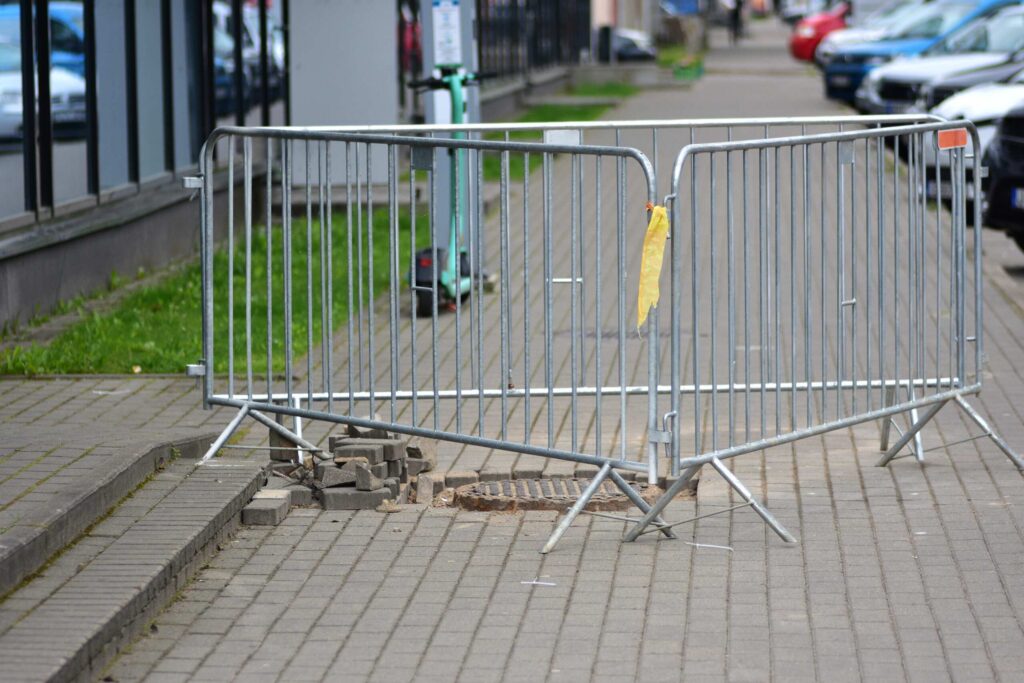
Key Takeaways: Government Liability for Pedestrian Injuries
- Government entities in Florida can be held liable for pedestrian injuries when unsafe public infrastructure contributes to an accident, but only if specific legal requirements are met.
- Florida's sovereign immunity laws limit how much a claimant can recover from a government agency, with caps set at $200,000 per person and $300,000 per incident unless the legislature approves a higher amount.
- Filing a claim against a government agency requires sending a formal written notice within three years of the injury, and the process involves different procedures than a standard personal injury claim.
- Identifying which government body controls the specific sidewalk, crosswalk, or roadway where an accident occurred is a key step in building a strong claim.
- Evidence of how long a dangerous condition existed before the accident often determines whether a government agency can be held accountable, making prompt documentation valuable.
Who is responsible when inadequate public infrastructure contributes to a pedestrian accident in Safety Harbor?
When a government agency fails to maintain safe sidewalks, crosswalks, or roadways, it may hold legal responsibility for pedestrian injuries that result. Here is what that means in practice:
- Florida law allows injury victims to file claims against government entities, but strict deadlines and notice requirements apply.
- Liability can rest with the city, county, or state depending on which agency controls the specific piece of infrastructure involved.
- Proving a government claim requires showing the agency knew or should have known about the dangerous condition and failed to fix it.
A Safety Harbor pedestrian accident attorney can evaluate whether a government entity shares responsibility for your injuries.
What Does Government Liability for Pedestrian Accidents Mean under Florida Law?
Government liability for pedestrian accidents in Florida rests on a legal framework that has evolved significantly over time. Historically, a legal doctrine called sovereign immunity shielded government entities from most lawsuits.
Florida has partially waived that protection through the Florida Tort Claims Act. This law allows injured people to sue state and local government agencies under certain conditions. Several key concepts shape how these claims work:
- Sovereign immunity refers to the historical rule that governments cannot be sued without their consent. Florida waived part of this protection by statute, meaning lawsuits are allowed, but only within defined boundaries.
- Waiver of sovereign immunity under Florida law permits injury claims against government agencies when the agency acted in a way that a private person or business could also be sued for, such as negligent property maintenance.
- Damage caps currently limit recoveries against a single government agency to $200,000 per claimant and $300,000 for all claims arising from a single incident. A claims bill passed by the Florida Legislature can authorize higher payments in specific cases.
- Notice of claim requirement means you must send a formal written notice to the responsible government agency before filing a lawsuit. This notice must be submitted within three years of the accident.
- Discretionary versus operational functions is a distinction courts use to decide whether the government's conduct is even subject to a lawsuit. Decisions about broad policy, such as whether to build a sidewalk at all, are often protected. Failing to maintain an existing sidewalk in safe condition generally is not.
Understanding this distinction matters because it directly affects whether your case can move forward.
A Safety Harbor unsafe sidewalk pedestrian accident claim, for example, typically involves a maintenance failure rather than a policy decision, which places it on the side of the law that allows lawsuits.
How Does Government Responsibility for Pedestrian Accidents in Safety Harbor Get Established?
Establishing government responsibility for pedestrian accidents in Safety Harbor starts with identifying who owns and maintains the specific infrastructure where the injury occurred. That answer is not always obvious.
A single stretch of roadway or sidewalk in Safety Harbor could fall under city jurisdiction, Pinellas County control, or state authority, depending on whether it runs along a local road, a county road, or a state highway like McMullen Booth Road.
Each agency has its own maintenance obligations, and the wrong filing can cost valuable time.
Identifying the Responsible Agency
The responsible agency depends on the type and location of the infrastructure.
- City of Safety Harbor streets and sidewalks typically fall under city maintenance.
- County roads such as those connecting Safety Harbor to neighboring communities may be a Pinellas County responsibility.
- State roads, including portions of SR 590 that run near the waterfront area and downtown Safety Harbor, fall under FDOT oversight.
Public records requests and maintenance maps can help trace which entity controls a specific location.
Proving the Agency Knew About the Dangerous Condition
Liability generally requires showing that the government agency had notice of the problem, either actual notice because someone reported it, or constructive notice because the condition existed long enough that a reasonable inspection program would have found it.
A pothole that appeared the day before an accident differs legally from a crumbling sidewalk panel near the Safety Harbor Waterfront Park that residents had reported to the city months earlier.
Showing the Defect Caused the Injury
Connecting the infrastructure failure to the pedestrian's injuries requires more than showing a defect existed. The defect must have directly contributed to the accident. A tripping hazard on a sidewalk near the Phillippe Park entrance, for example, would need to be shown as the cause of a fall rather than some other factor.
Medical records, accident scene photographs, and witness accounts all contribute to this part of the claim.
What Types of Infrastructure Defects Lead to Pedestrian Injury Claims?
Dangerous road conditions causing pedestrian injuries in Safety Harbor take many forms, and not all of them are immediately obvious after an accident. Some defects result from deferred maintenance.
Others reflect poor original design that was never corrected. Knowing the common categories helps identify what to document after an accident.
Sidewalk Defects and Trip Hazards
Raised or sunken concrete panels, cracked pavement, and missing curb sections create tripping hazards that can send a pedestrian to the ground with little warning. Safety Harbor's older residential neighborhoods contain sidewalks that have shifted over years of root growth and soil movement.
Crosswalk and Intersection Failures
Faded crosswalk markings reduce a pedestrian's visibility to drivers, particularly at night. Malfunctioning pedestrian signals that display incorrect timing or fail to activate leave walkers crossing with inadequate protection.
Intersections near the Safety Harbor Recreation Center and areas around Main Street downtown see consistent foot traffic, making signal maintenance at those locations especially consequential.
Poor Lighting on Public Roadways
Streetlights that are broken, improperly spaced, or simply absent create conditions where drivers cannot see pedestrians until it is too late. Poorly lit stretches along roads feeding into the waterfront area have been a concern in communities around Tampa Bay, and Safety Harbor is no exception.
A pedestrian struck in a dark area may have a viable claim if a working streetlight would have made the difference.
Design Defects in Public Walkways
Some claims involve infrastructure that was built incorrectly rather than allowed to deteriorate. A sidewalk that ends abruptly without a curb cut, forcing wheelchair users or others into the road, reflects a design failure.
A crosswalk positioned where a parked vehicle routinely blocks sightlines represents a planning problem that the agency responsible for traffic engineering could be asked to answer for.
Check out our latest guide on staying safe as a pedestrian or cyclist during town events on Main Street in Safety Harbor!
What Are the Steps in Filing a Government Liability Claim in Florida?
Filing a government liability claim in Florida follows a specific sequence of steps that differ from standard personal injury claims. Each step carries procedural weight, and skipping one can eliminate an otherwise valid case.
Preserve Evidence Early
The foundation of any strong claim is documentation gathered close in time to the accident. Consider preserving:
- Photographs of the defect and surrounding area
- Surveillance footage from nearby businesses or traffic cameras
- Maintenance logs or prior complaint records submitted to the city or county
- Law enforcement accident reports
- Medical records from treating facilities such as Morton Plant Hospital in Clearwater
Send the Required Notice of Claim
Before filing a lawsuit, you must send a formal written notice to the responsible government agency within three years of the accident. The notice must identify the location, describe the incident, outline your injuries, and state the damages you are claiming. Filing with the wrong agency can cost you the deadline with the correct one.
Wait for the Agency's Response
After the notice is received, the agency has six months to investigate and respond. This waiting period is mandatory under Florida law. Many claims resolve during this window through negotiated settlements.
File a Lawsuit if Necessary
If the agency's response is unsatisfactory or no resolution is reached, a lawsuit may be filed in civil court. The case then moves through discovery, depositions, and potentially trial.
Why Does Having a Skilled Attorney Matter in Government Liability Cases?
A skilled attorney matters in government liability cases because the procedural rules, agency-specific requirements, and legal defenses involved create real obstacles that can end a claim before it ever reaches a fair resolution. These cases reward preparation and penalize missteps.
The Procedural Stakes Are High
Missing the notice deadline eliminates an otherwise valid claim entirely. Identifying the wrong responsible agency wastes time and risks that deadline with the correct one. A focused attorney who has worked through Florida government liability cases before knows how to avoid these errors from the start.
Agencies Don't Concede Fault Easily
Government entities routinely raise sovereign immunity defenses, argue that the condition falls within a protected discretionary function, or contend that the injured pedestrian shares fault. An attorney with hands-on experience in these cases knows how agencies build their defenses and how to respond effectively.
Building the Right Evidence Record
Government liability claims often turn on what the agency knew and when. A knowledgeable attorney knows how to request and interpret:
- Internal maintenance logs and inspection records
- Prior complaint histories tied to a specific location
- Public works department communications
- Traffic engineering reports
Valuing the Full Extent of Damages
Injuries serious enough to require care at facilities like Bayfront Health St. Petersburg carry costs that extend well beyond emergency treatment. Lost income, ongoing rehabilitation, and the lasting effect on daily life all factor into a complete damages picture. An attorney with real case experience makes sure nothing gets left out.
| Aspect | Why It Matters / Attorney’s Role |
|---|---|
| Procedural Compliance | Ensures strict notice deadlines are met and the correct agency is identified to prevent case dismissal. |
| Defeating Defenses | Counters common government arguments like sovereign immunity or comparative fault to maintain the claim's validity. |
| Evidence Gathering | Secures critical proof, such as internal maintenance logs and prior complaint histories, to establish government negligence. |
| Calculating Damages | Ensures all factors—including lost income and long-term rehabilitation needs—are included to secure fair compensation. |
Discover how Roman Austin secured justice for Maria Garcia in a major victory against government negligence—read the full story today!
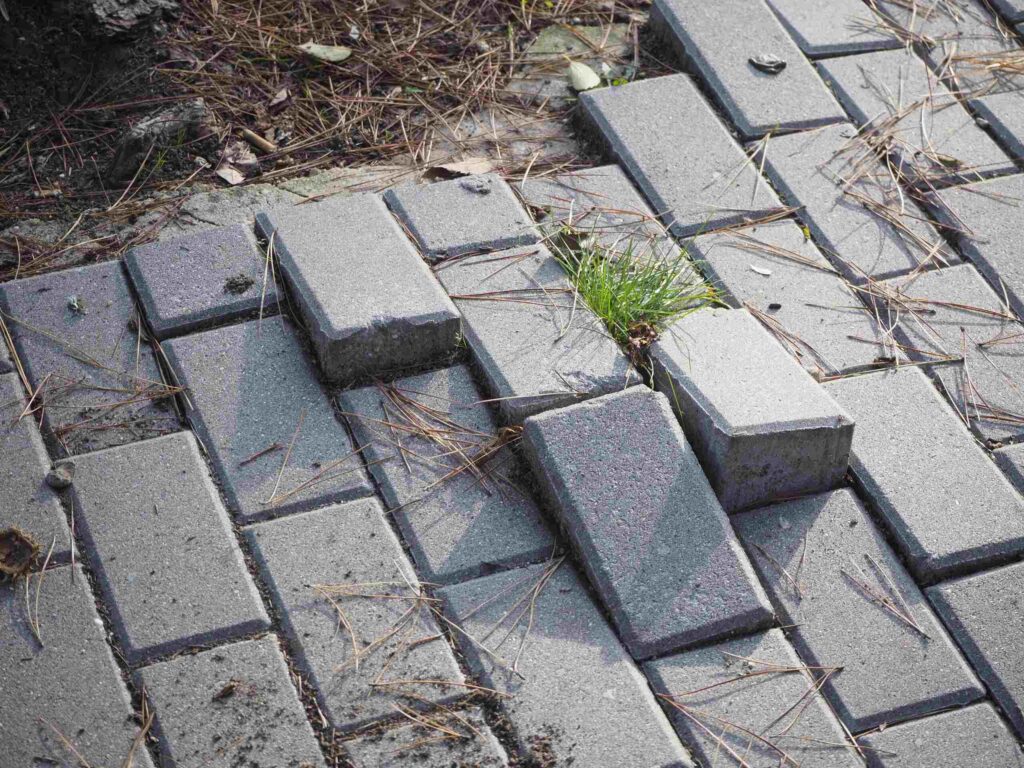
Frequently Asked Questions About Government Liability Claims in FL
How long do I have to file a government liability claim in Florida after a pedestrian accident?
Florida law requires injury victims to send a written notice of claim to the responsible government agency within three years of the accident. After that notice is filed, the agency has six months to respond before a lawsuit may be filed.
Missing the notice deadline generally bars the claim entirely, which makes early legal review a practical priority.
What if a private driver also contributed to my pedestrian accident?
Florida's comparative fault rules allow a claim to proceed against multiple parties at the same time. If a driver struck you at a poorly maintained crosswalk, you may have claims against both the driver and the government agency responsible for that crosswalk.
Each claim follows its own procedural rules, and the total recovery can reflect contributions from both parties. Standard personal injury claims against third parties have a two-year deadline from the date of injury.
Can I recover damages if the injured pedestrian was also partly at fault?
Florida follows a modified comparative negligence standard, which means a claimant who is found more than 50 percent at fault for their own injuries cannot recover damages. If the pedestrian was less than 50 percent at fault, any recovery is reduced in proportion to their share of fault.
A government agency will often argue the pedestrian bears some responsibility, making the legal response to that argument important.
What happens if my injuries require long-term care that exceeds the government damage cap?
When damages exceed the statutory cap of $200,000, the remaining amount is not automatically paid. A claimant would need a claims bill passed by the Florida Legislature to authorize additional payment from the government.
This is a separate legal and legislative process that an attorney can explain in detail based on the specific circumstances of your case.
Does the type of road or sidewalk affect which government entity I need to notify?
Yes. The responsible agency depends entirely on which entity owns and maintains the infrastructure where the accident occurred. City roads and sidewalks require notice to the city. County roads require notice to Pinellas County. State highways require notice to the Florida Department of Transportation.
Filing notice with the wrong agency can result in a missed deadline with the correct one, which is why identifying jurisdiction early in the process matters.
Talk to Roman Austin Car Accident and Personal Injury Lawyers Today
A pedestrian accident caused by a broken sidewalk or a failed crosswalk signal does not end with a physical injury. Medical bills accumulate, work may become impossible, and the path back to the life you had before can feel long and uncertain.
When a government agency's failure to maintain public infrastructure contributed to what happened to you or someone in your family, the law provides a way to hold that agency accountable.
At Roman Austin Car Accident and Personal Injury Lawyers, we have handled cases exactly like this. We know how Florida's government liability rules work, which agencies control which roads and sidewalks in Safety Harbor, and how to build a claim that reflects the full weight of what you have been through.
Our representation is on a contingency basis, meaning you pay nothing unless we recover for you. The consultation is free. Call us at (727) 214-5001 and let us take a close look at your case.


