St. Petersburg slip and fall injuries often happen in places that look harmless at first glance, especially near beaches, condos, restaurants, and shared walkways. Older adults in beachside communities face added danger from wet floors, cracked paths, poor lighting, and sandy surfaces.
Older adults often suffer more serious injuries from the same fall than younger people do. A broken wrist, hip fracture, or head injury may lead to surgery, missed work for family caregivers, rehab, and a long stretch of uncertainty.
Beach communities also create their own hazards. Salt air wears down surfaces, rainwater pools in entryways, and tourists track sand into stores, lobbies, and stairwells.
A fall claim often turns on who controlled the property, what inspection practices were in place, and whether the owner fixed a known hazard in time.
If you live in St. Petersburg and suffered injuries or losses due to a slip and fall accident, contact a St. Petersburg slip and fall accident lawyer for a free consultation about your rights and options.
Key Takeaways: Slip and Fall Accident Claims in St. Pete
- Older adults face greater injury risk from falls because bones, balance, and recovery time change with age.
- Beachside properties often have wet floors, worn surfaces, and poor lighting that increase danger.
- Property owners, managers, and sometimes public entities may share responsibility for unsafe conditions.
- Medical records, photos, witness names, and incident reports often help show what happened.
- Legal deadlines in Florida can affect both private-property claims and cases involving public sidewalks or road defects.
What slip and fall risks do older adults face in St. Petersburg's beachside communities?
Older adults in St. Petersburg’s beachside communities often face uneven walkways, wet entry areas, poor lighting, loose mats, and surface changes that make falls more likely. These hazards can lead to hip fractures, head injuries, and longer recovery times.
- Sand, saltwater, and tracked-in moisture often leave lobbies, porches, and sidewalks slick.
- Aging balance, slower reflexes, and weaker bones can make a simple misstep cause a serious injury.
- Broken pavement, missing handrails, and low curb edges often create hidden danger near shops, condos, and rentals.
Beachfront properties need steady maintenance, because small hazards can lead to serious harm for older visitors and residents.
Why Do Beachside Communities Create Extra Fall Hazards?
Beachside communities create extra fall hazards because salt, sand, moisture, and heavy foot traffic wear down walking surfaces fast. Older adults often meet these hazards at condo entrances, pool decks, parking areas, and sidewalks that should receive regular upkeep.
How Do Sand and Water Create Risk?
Sand and water create risk by reducing traction and hiding surface defects. A person may not see a slick spot at a building entrance, but one wrong step can cause a hard fall.
In beach neighborhoods, moisture often comes from more than rain. Wet bathing suits, rinsed-off feet, open-air hallways, and tracked-in spray all leave surfaces slick.
What Property Problems Matter Most?
Property problems matter most when they make a walking path unsafe for ordinary use. Broken pavers, loose tiles, torn carpeting, missing handrails, and warped thresholds all raise the odds of a fall.
Older adults often have less room to recover from a stumble. A tiny lip in a sidewalk or a dim stairwell can become a major hazard when depth perception, strength, or balance has changed with age.
Why Do Older Adults Face Greater Harm?
Older adults face greater harm because falls hit harder as the body ages. A fall that causes bruising in one person may cause a fracture, a concussion, or internal bleeding in another.
That difference matters in a claim, too. Records that show prior mobility, bone health, and post-fall treatment may help explain how serious the injury became and why the damage reached beyond a short-term setback.
Distinguishing between a forward stumble and a backward loss of footing is critical for senior injury claims in St. Pete's coastal areas—explore our breakdowns and legal insights here.
What Injuries Often Follow a Fall?
Fall injuries often include fractures, back injuries, neck injuries, and head trauma. Soft tissue damage may also linger, especially when an older adult already lived with arthritis or joint pain before the fall.
Many claim files also include a smaller injury that led to a bigger problem later. For example, a wrist fracture may make daily tasks hard, which then affects independence, sleep, and caregiving needs.
How Do Florida Premises Liability Rules Work?
Florida premises liability for slip and fall injuries often centers on whether the owner knew, or should have known, about a dangerous condition and failed to fix it. That rule matters because a fall claim usually depends on evidence of notice, maintenance, and control.
What Does Notice Mean?
Notice means the owner knew about the hazard or should have known about it through regular inspection. A wet floor that sat for a long time, or a cracked walkway that stayed unrepaired, may support that issue.
Evidence of notice often comes from cleaning logs, repair requests, security footage, and witness statements. Those records can show whether the property owner acted responsibly or let the danger stay in place.
Who May Be Responsible?
Responsibility may rest with a landlord, condo association, hotel, restaurant, store, or property manager. A contractor may also share fault if bad repairs, poor drainage, or sloppy maintenance created the unsafe condition.
Beachside properties often involve layers of control. One company may own the building, another may manage it, and a third may handle cleaning or repairs, so the answer rarely sits with one party alone.
What If a Government Sidewalk or Road Caused the Fall?
A government sidewalk or road defect can support a claim when a city, county, or another public entity failed to maintain a sidewalk, curb, crosswalk, or drainage area. Claims involving public property usually follow special notice rules and shorter deadlines.
Those cases often require fast legal review because the filing path differs from a claim against a private property owner. Records showing the location, the defect, and prior complaints often matter early.
How Does a Lawyer Help After a Beachside Fall?
A lawyer helps after a beachside fall by collecting proof, identifying every responsible party, and matching the injuries to the right legal claim. That work matters because insurers often look for gaps, missing records, or uncertain facts they can use to reduce a payout.
What Evidence Usually Matters Most?
Evidence usually matters most when it shows the condition of the property before and after the fall. Photos, video, incident reports, maintenance records, and witness names can all help build the timeline.
Medical records also matter because they connect the fall to the injury. Treatment notes, imaging, and follow-up care may show the extent of harm and the length of recovery.
For older adults, family observations can add helpful context. Notes about a change in walking ability, memory, sleep, or daily routines may show how the injury affected life at home.
Why Does Legal Help Matter Early?
Legal help matters early because evidence disappears fast. Surveillance footage may be overwritten, the hazard may get repaired, and witnesses may forget details.
A lawyer also helps push back when an insurer tries to blame age, preexisting conditions, or ordinary clumsiness without looking at the property problem itself. That shift in focus often changes the shape of the case.
What Damages May a Fall Claim Include?
A fall claim may include medical bills, therapy costs, future treatment, lost income, and the cost of help at home. Older adults may also need compensation for mobility aids, transportation, or long-term care support.
Non-economic harm may also matter. That term means the human losses that do not come with receipts, such as pain, loss of independence, sleep trouble, and reduced ability to enjoy daily routines.
How Can Older Adults and Families Protect a Claim?
Older adults and families can protect a claim by keeping a clean paper trail. That paper trail often helps show what happened, what treatment followed, and how the injury changed daily life.
Consider these steps:
- Keep copies of all medical visits, imaging, therapy notes, and bills.
- Save photos of the scene, shoes, torn clothing, and any visible injuries.
- Write down the names of witnesses, property staff, and anyone who responded.
- Save receipts for out-of-pocket costs, such as rides, walkers, or home help.
- Record daily limits, like trouble bathing, sleeping, walking, or climbing stairs.
Those records often become useful long after the first pain fades. They also give a lawyer a stronger starting point when the claim needs to move forward.
What Deadlines Apply in Florida?
In Florida, a slip and fall lawsuit usually must be filed within two years of the date of the accident. Miss that window, and the case may lose value or disappear entirely.
The filing timeline can shift if the injured person is a minor or if the claim involves a death. Families often benefit from early review, because missing a notice deadline in a government case can close the door before the full claim even starts.
In any event, you need to contact an attorney as soon as possible to preserve valuable evidence and protect your rights.
Why Do Condos and Rentals Need Extra Attention?
Condos and rentals need extra attention because many people use the same stairwells, walkways, elevators, and pool areas. Shared use means more wear, more chances for spills, and more opportunities for a hazard to stay in place.
Older adults often rent seasonally or visit relatives near the coast, so they may not know the property layout well. A stair with low contrast, a loose rug, or a sloped walkway can catch a person off guard when the space feels unfamiliar.
What Role Do Weather and Crowds Play?
Weather and crowds play a large role because both increase the chance of wet or cluttered walkways. Afternoon rain, storm runoff, beach traffic, and restaurant rushes can all leave a property harder to cross safely.
Crowds also make hazards harder to spot. A spilled drink near a lobby, a tracked-in patch of sand, or a blocked walkway can become dangerous long before staff notice it.
How Do Insurance Companies Usually Respond?
Insurance companies usually respond by looking for ways to shrink the claim. They may argue that the person wore the wrong shoes, failed to watch where they were going, or had a prior condition that caused the injury.
That approach often ignores the property condition itself. A strong claim keeps the focus on maintenance, notice, and the safety of the area where the fall occurred.
Why Do Records from the Scene Matter so Much?
Records from the scene matter so much because they capture details that vanish later. A photograph of a wet floor, a broken paver, or a missing handrail can carry more weight than a memory months afterward.
Incident reports also matter because they show how staff responded. If the report includes the wrong location, no hazard description, or a vague explanation, that gap may help show the property owner did not handle the incident carefully.
What Should Older Adults Know About Recovery and Family Impact?
Older adults should know that recovery often reaches beyond the initial injury. A fall may affect driving, bathing, meal prep, sleep, and confidence on stairs or uneven ground.
Family members often step in to help with rides, medications, and daily tasks. That added burden may not show up in a hospital bill, but it often shows up in the real-life cost of the injury.
How Can a Case Be Evaluated After a Fall?
A case can be evaluated after a fall by looking at the condition of the property, the nature of the injury, and the available evidence. That review often reveals whether the owner had time to fix the hazard, whether warnings were in place, and whether the injury lines up with the fall mechanics.
An attorney with experience in these matters can review the scene evidence, talk with witnesses, and request records that a family may not be able to get alone. That support often gives the claim structure and helps prevent mistakes that weaken the case later.

FAQs About Beachside Slip and Fall Claims in St. Pete
Can a condo association be responsible for a fall near the beach?
Yes, a condo association can be responsible when it controls the area where the hazard existed and fails to maintain it in a reasonably safe condition. Shared spaces like lobbies, stairs, walkways, and pool decks often become part of that analysis.
Do I need proof that the property owner knew about the hazard?
Proof of actual knowledge helps, but a case may also rely on evidence that the owner should have known about the hazard through reasonable inspection. Maintenance logs, security video, and witness accounts often help with that issue.
What if the fall happened on a city sidewalk or curb?
A fall on a city sidewalk or curb may involve a government claim rather than a standard premises case. Those claims often require quick notice and careful review of the location, ownership, and defect history.
Why does a lawyer matter in an older adult slip and fall case?
A lawyer matters because insurers often try to downplay the fall, shift blame, or treat age-related conditions as the whole story. An attorney can build the record around property safety, legal duty, and the full impact of the injury.
Talk with Roman Austin Car Accident and Personal Injury Lawyers
If you suffered injuries or lost a loved one because of someone else’s negligence or wrongdoing in St. Petersburg, our team at Roman Austin Car Accident and Personal Injury Lawyers is ready to listen.
Call (727) 335-1373 for a free consultation, and let us review what happened with care and attention.
Roman Austin Car Accident and Personal Injury Lawyers: 840 Beach Dr NE Suite 202, St. Petersburg, FL 33701
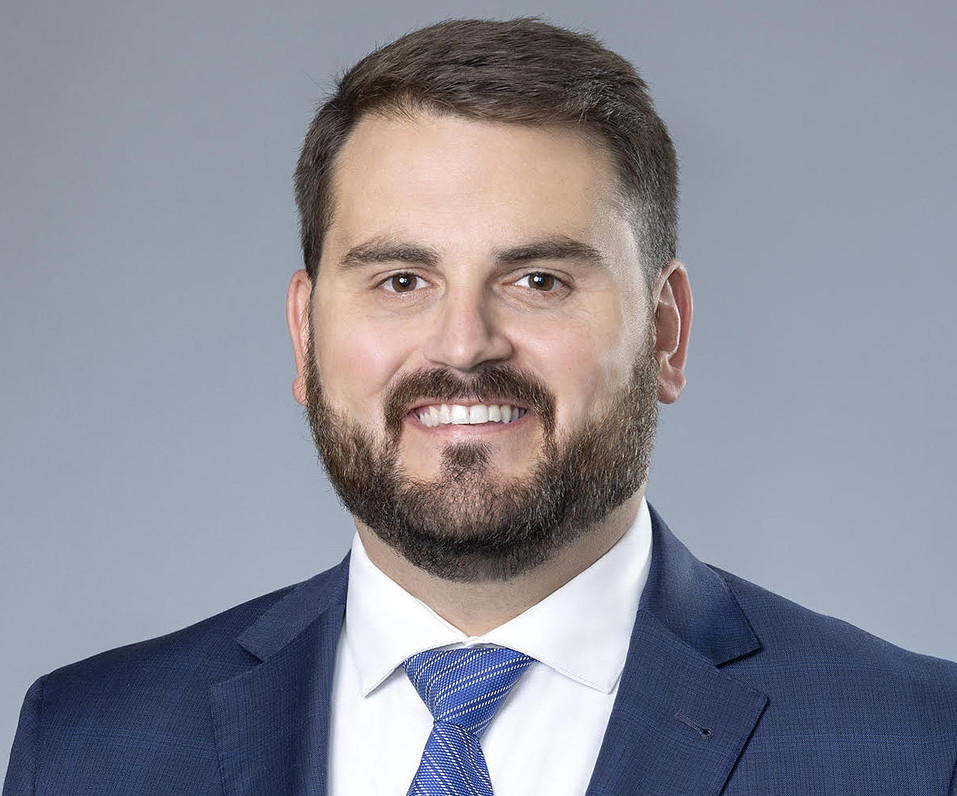
Miles H. Hickman
Partner and Trial Attorney
Miles H. Hickman spent his first six years in practice defending insurance companies at a St. Petersburg firm, where he managed a legal team of more than ten. He has handled cases from pre-suit through trial as both first and second chair. A lifelong central Florida resident and Stetson University College of Law graduate, he is a Super Lawyers Rising Star and a member of the Million Dollar Advocates Forum.
Author's Bio

