one of Tampa's biggest venues. Instead, you left with an injury that has you searching for answers. A slip and fall at Benchmark International Arena (formerly, Amalie Arena) in Tampa, Florida, or any other major venue in the area may leave you wondering whether you have any legal options, especially when the back of your ticket seems to say otherwise.
Florida premises liability law still applies inside these venues, and whether ticket language eliminates a negligence claim depends on how clearly and specifically the waiver is written and presented. If you fell at Benchmark International Arena, Raymond James Stadium, Steinbrenner Field, or another Tampa Bay event venue, you are not alone, and you may have more options than you think.
Key Takeaways About Slip and Fall Claims at Tampa Sporting Venues
- Ticketed guests at Tampa sporting and event venues are classified as invitees under Florida law, meaning the venue operator owes them the highest standard of care, including regular inspections and prompt hazard removal.
- Liability waivers printed on tickets or included in online purchase agreements may limit certain ordinary negligence claims if they meet strict enforceability standards, but they generally do not protect a venue from claims involving gross negligence or intentional misconduct under Florida law.
- Under Florida Statute 768.0755, you must prove the venue had actual or constructive knowledge of the dangerous condition and failed to address it.
- Gathering evidence at a large venue like Benchmark International Arena or Raymond James Stadium presents unique challenges because crowds move quickly, staff clean up hazards fast, and the scene of your fall may look completely different within minutes.
- Florida's statute of limitations for a premises liability claim under Florida Statute 95.11 gives you two years from the date of injury to file a lawsuit.
What Duty of Care Do Tampa Venue Operators Owe Ticketed Guests?
When you purchase a ticket to a Tampa Bay Lightning game, a Buccaneers game at Raymond James Stadium, or a spring training game at Steinbrenner Field, you become an invitee under Florida premises liability law. That classification matters because it determines how much legal protection you receive.
Invitee Status and the Highest Standard of Care in Florida
Florida law divides visitors into three categories: invitees, licensees, and trespassers. Invitees receive the greatest protection. A property owner must maintain the premises in a reasonably safe condition for invitees and must warn them of concealed dangers that the owner knows about or should know about through reasonable inspection.
For a large venue like Benchmark International Arena, that duty extends across every area where ticketed guests are expected to be. The venue operator must conduct regular inspections and address hazards within a reasonable time across all of these areas:
- Concourses, hallways, and pedestrian walkways throughout the facility
- Seating sections, including stairs and aisles between rows
- Restrooms, concession areas, and dining spaces
- Entrances, exits, escalators, and elevators
- Parking garages and exterior walkways controlled by the venue
If evidence shows a venue failed to conduct reasonable inspections or monitoring during an event, that may support a premises liability claim.
How Florida Statute 768.0755 Applies to Stadium Slip and Falls
Under Florida Statute 768.0755, if you slip and fall on a transitory foreign substance at a business establishment, you must prove the business had actual or constructive knowledge of the dangerous condition and failed to take action.
Constructive knowledge may be shown through circumstantial evidence that the hazard existed for a long enough period that the venue should have noticed it, or that the condition happened with enough regularity to make it foreseeable.
At a venue that serves thousands of beverages during every event, spills happen constantly. A venue that fails to monitor and clean high-traffic areas may face arguments that recurring spill hazards were foreseeable, depending on the specific evidence in the case.
What Are the Most Common Slip and Fall Hazards at Tampa Arenas and Stadiums?
Sporting and entertainment venues in Tampa create conditions that increase the risk of slip and fall injuries. Large crowds, alcohol service, aging infrastructure, and fast-paced cleanup operations all contribute to the hazard profile at venues like Benchmark International Arena and Raymond James Stadium.
Hazards That Lead to Tampa Venue Slip and Fall Injuries
Several conditions appear repeatedly in premises liability claims involving Tampa Bay sporting and event venues:
- Spilled drinks, beer, and food in concession areas, stairways, and seating sections that staff fail to clean up promptly
- Wet or slippery floors in restrooms, entryways, and concourses from tracked-in rainwater, cleaning products, or plumbing issues
- Broken or uneven steps, damaged handrails, and worn-down non-slip surfaces on stairways in older sections of the venue
- Poor lighting in parking garages, corridors, and stairwells that makes it difficult to see tripping hazards
- Loose cables, cords, or temporary signage placed in pedestrian walkways during event setup or breakdown
Each of these hazards points to a potential failure by the venue operator to maintain the premises in a reasonably safe condition for invitees. The larger the venue, the more staff and resources it takes to keep up with safety obligations during a packed event.
Does a Ticket Waiver Prevent You From Suing After a Slip and Fall at Benchmark International Arena?
One of the biggest misconceptions about injuries at Tampa sporting venues involves the fine print on the back of a ticket or within an online ticket purchase agreement. Many fans believe this language permanently prevents them from pursuing any legal claim. Florida courts take a much more limited view of these waivers.
What Florida Law Says About Liability Waivers on Event Tickets
Under Florida case law, a liability waiver must be clear, unambiguous, unequivocal, and specific to be enforceable. The Florida courts established this standard in Theis v. J & J Racing Promotions, 571 So. 2d 92 (Fla. Dist. Ct. App. 1990), and it remains the framework that judges apply when evaluating waiver defenses in premises liability cases.
Even when a waiver meets those standards, it generally only applies to ordinary negligence claims. Florida law does not allow a liability waiver to shield a business from gross negligence, reckless conduct, or intentional misconduct.
Venue operators owe duties under Florida premises liability law, and while some duties may be limited by enforceable waivers, not all liability can be waived.
Why Ticket Waivers Frequently Fail in Tampa Venue Injury Cases
A waiver printed in small type on the back of a ticket often fails to meet the clarity and specificity requirements that Florida courts demand. Buried fine print, vague language covering all possible claims, and terms that contradict safety promises made elsewhere in the ticket agreement all raise enforceability problems. Several common reasons why these waivers fall short include:
- The waiver language is buried in fine print that a reasonable person would not read before entering the venue
- The terms attempt to cover all claims of any kind, rather than specifically identifying the types of negligence being waived
- The waiver contradicts other statements the venue makes about guest safety or security
- The ticket buyer had no meaningful opportunity to negotiate the terms, creating an imbalance of bargaining power
- The injury resulted from gross negligence or reckless conduct rather than ordinary negligence
Signing or accepting a ticket with waiver language does not automatically close the door to a premises liability claim. If the venue operator failed to maintain safe conditions for invitees, the waiver may not protect them.
What Evidence Matters Most After a Slip and Fall at a Tampa Stadium?
Documenting a slip and fall at a large Tampa venue presents unique challenges. Crowds are moving, venue staff may clean up the hazard quickly, and the scene of your fall may look completely different by the time you gather yourself. Once you are home and safe, taking steps to organize what you do have may help protect your claim. A Tampa slip and fall accident lawyer can use photographs, witness statements, incident reports, and other available evidence to help preserve and strengthen your case.
Preserving Your Evidence After Leaving the Venue
If you experienced a fall at Benchmark International Arena, Raymond James Stadium, or another Tampa venue, the following types of evidence may support a premises liability claim:
- Photos or videos of the hazard, the area where you fell, and your injuries, taken with your phone if possible
- The names and contact information of any witnesses who saw your fall or the condition that caused it
- A copy of any incident or accident report completed by venue staff at the time of your fall
- Your ticket, receipt, or confirmation showing you attended the event on that date
- Medical records from your initial treatment, including emergency room visits and follow-up appointments
Many of these records may disappear quickly if you do not act. Surveillance footage from venue cameras may be overwritten within days. Incident reports may not be provided voluntarily.
An attorney may send a preservation letter and begin gathering evidence before the venue has a chance to clean up or destroy what happened.
How Does Florida's Comparative Fault Rule Affect a Stadium Slip and Fall Claim?
Florida uses a modified comparative fault system under Florida Statute 768.81. Under this system, your total compensation may be reduced by whatever percentage of fault a jury assigns to you. If the jury finds you more than 50% at fault for your own injury, you may not recover any compensation at all.
How Venue Operators Use Comparative Fault as a Defense
Venue operators in Tampa frequently argue that the injured person was partially or fully at fault for their own fall. The defenses that stadium and arena operators rely on most often include:
- Claiming you were distracted by your phone, the event, or a conversation when you fell
- Arguing you consumed alcohol that impaired your balance or awareness
- Asserting that you ignored posted warning signs, barriers, or "Wet Floor" indicators
- Contending the hazard was open and obvious, meaning you should have seen and avoided it
These defenses do not automatically bar a claim, but they may reduce or eliminate recovery depending on the jury’s allocation of fault. Proving the venue's negligence through evidence like surveillance footage, incident reports, and witness testimony may help establish that the venue's failure to maintain safe conditions was the primary cause of your fall.
How Roman Austin Handles Slip and Fall Cases at Tampa Sporting Venues
Roman Austin Car Accident and Personal Injury Lawyers operates a Tampa office at 401 E. Jackson Street, Suite 3319, Tampa, FL 33602. The firm handles slip and fall and premises liability cases throughout Hillsborough County, including injuries at arenas, stadiums, and entertainment venues across the Tampa Bay area. Consultations are always free, and the team is available 24/7.
FAQs for Slip and Fall Benchmark International Arena Tampa Florida
Does buying a ticket to Benchmark International Arena mean I waive my right to sue if I fall?
No. While ticket language may include liability disclaimers, Florida courts enforce liability waivers only when they meet strict standards of clarity, specificity, and enforceability. A ticket waiver may limit certain negligence claims if it is clearly written and enforceable, but many waivers do not bar all premises liability claims. If the venue failed to address a known or foreseeable hazard, you may still have grounds for a premises liability claim.
What type of legal duty does Benchmark International Arena owe to its ticketed guests?
As a ticketed guest, you are classified as an invitee under Florida law. Venue operators owe invitees the highest duty of care, which includes maintaining the premises in a reasonably safe condition, conducting regular inspections for hazards, and warning guests of concealed dangers. This duty applies throughout the venue, including concourses, seating sections, stairways, restrooms, concession areas, and parking structures.
How do I prove a slip and fall case against a Tampa stadium or arena?
Under Florida Statute 768.0755, you must prove the venue had actual or constructive knowledge of the dangerous condition and failed to address it. Evidence that the hazard existed for enough time that staff should have noticed it, or that similar conditions happened regularly at the venue, may help meet this burden. Surveillance footage, incident reports, witness statements, and maintenance logs are all forms of evidence that may support your claim.
What if the stadium already cleaned up the spill before I left the venue?
This happens frequently at large venues where staff respond quickly to reported hazards. If the scene of your fall has already changed, other evidence may still support your claim. Photos taken before cleanup, witness statements, your own medical records showing injuries consistent with a fall, and surveillance footage from venue cameras may all help establish what happened.
How long do I have to file a slip and fall lawsuit against a Tampa venue?
Under Florida Statute 95.11, the statute of limitations for a personal injury claim based on negligence is two years from the date of the injury. While two years sets the legal deadline, evidence like surveillance footage and witness memory fades much faster. Acting quickly to preserve evidence and contact an attorney may strengthen your claim.
Take the Next Step After a Slip and Fall at Benchmark International Arena or Any Tampa Venue
A night at a Tampa Bay Lightning game or a concert at Benchmark International Arena is supposed to be about the experience, not about dealing with an injury that lingers long after the final buzzer. If a fall at a Tampa venue has left you with medical bills, time away from work, or pain that has not gone away, your experience matters. Florida law holds venue operators accountable when they fail to protect the guests they invite through their doors.
If you are unsure whether your situation qualifies for a premises liability claim, a conversation with the firm may help you understand where things stand and what options might be available to you. Roman Austin Car Accident and Personal Injury Lawyers offers free consultations from their Tampa office at 401 E. Jackson Street, Suite 3319, Tampa, FL 33602, and the team is available around the clock.
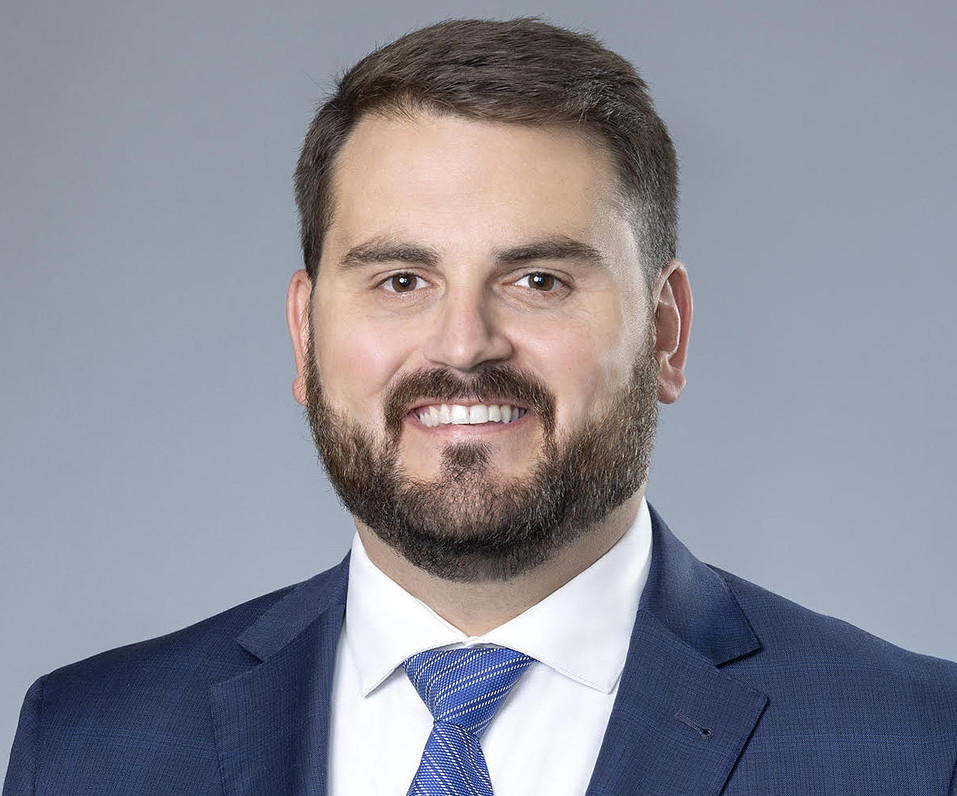
Miles H. Hickman
Partner and Trial Attorney
Miles H. Hickman spent his first six years in practice defending insurance companies at a St. Petersburg firm, where he managed a legal team of more than ten. He has handled cases from pre-suit through trial as both first and second chair. A lifelong central Florida resident and Stetson University College of Law graduate, he is a Super Lawyers Rising Star and a member of the Million Dollar Advocates Forum.
Author's Bio

