

Roman Austin | January 31, 2026 | Personal Injury
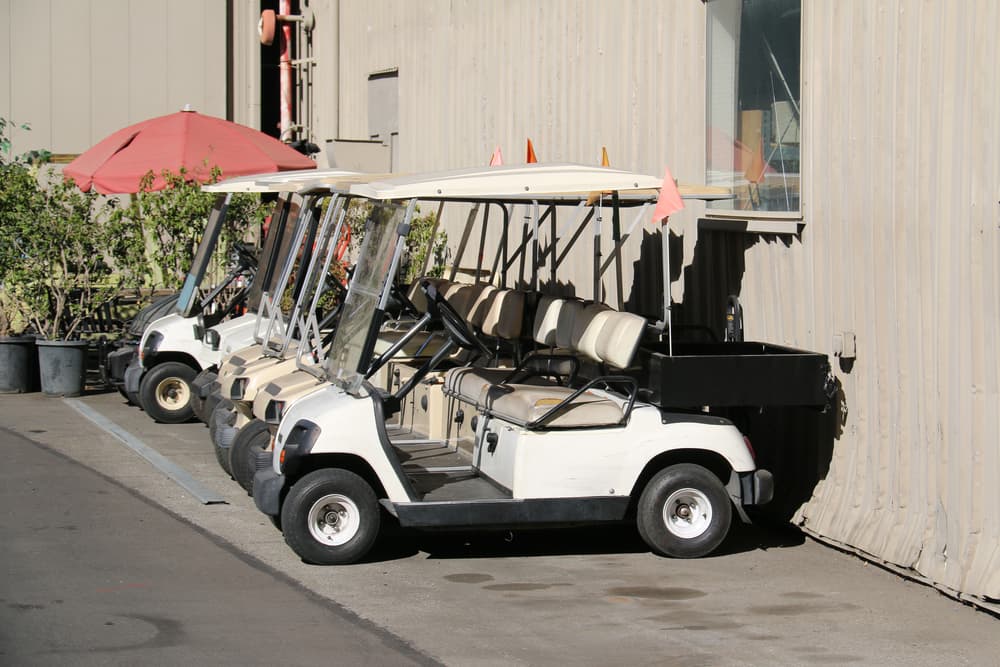
A morning walk with your dog or a stroll across a parking lot should not involve a trip to the trauma center. Yet pedestrians across Florida face a growing threat from silent, motorized vehicles moving at 20 miles per hour.
Electric golf carts operate quietly. You often do not hear them approaching until the moment of impact. The collision between a 1,000-pound cart and an unprotected pedestrian creates devastating physical force.
You might suffer shattered bones or a traumatic brain injury while the driver of the cart walks away without a scratch. Understanding golf cart accidents involving pedestrians: what victims need to know serves as your first line of defense in securing the financial resources required for your recovery.
Roman Austin Personal Injury Lawyers stands with pedestrians who suffer harm due to careless operators. We know that these accidents often occur in complex environments like private communities or crowded sidewalks. Insurance companies frequently try to blame the pedestrian.
They might argue you stepped into the path of the cart or walked in a prohibited area. Our Board Certified Civil Trial Attorneys possess the experience to dismantle these defenses. We investigate the facts and apply Florida law to hold the negligent driver accountable.
Key takeaways for injured pedestrians:
- The silence factor: Electric carts lack engine noise which increases the duty of the driver to scan for pedestrians who may not hear them coming.
- Right of way: Pedestrians generally have the right of way on sidewalks and in crosswalks.
- Owner liability: You can often sue the owner of the golf cart even if they were not the person driving it.
- Insurance gaps: Standard auto insurance rarely covers these accidents so we must look to homeowners or specialized policies.
- Severe injuries: Low-speed impacts still cause catastrophic damage to the human body due to the weight of the cart and the lack of protection.
The Sidewalk Conflict and Driver Negligence
Golf carts and pedestrians increasingly compete for the same space. Many communities have multi-modal paths designed for both. Drivers often encroach on spaces reserved exclusively for pedestrians.
Silent approaches and distraction
The quiet nature of electric carts poses a significant hazard. A pedestrian relies on auditory cues to detect approaching traffic. A driver chatting with a passenger or looking at a phone while driving a silent cart creates a recipe for disaster.
We investigate whether the driver sounded a horn or gave any warning before impact. We also subpoena phone records to see if digital distraction played a role.
Sidewalk violations
Florida law restricts golf carts from using sidewalks unless the local government specifically authorizes it. Even when allowed, the driver must yield to pedestrians. Drivers often treat sidewalks like racetracks to bypass road traffic.
A driver who strikes a pedestrian on a sidewalk has almost certainly breached their duty of care. We research local ordinances to prove the driver had no legal right to operate on that path.
Parking lot chaos
Parking lots in shopping centers and grocery stores act as frequent accident sites. Golf carts weave between parked cars and cross pedestrian lanes unpredictably. Drivers often focus on finding a parking spot rather than looking for people walking to their cars. We use surveillance footage from the business to reconstruct the path of the driver and prove they failed to keep a proper lookout.
The Dangerous Instrumentality Doctrine
Florida offers a powerful legal tool for victims of golf cart accidents called the Dangerous Instrumentality Doctrine. This principle can significantly increase your chances of receiving full compensation.
Holding the owner responsible
This doctrine states that a golf cart constitutes an inherently dangerous tool. The law holds the owner of the cart strictly liable for any damages caused by the cart if they allowed someone else to drive it. You do not have to prove the owner was negligent. You only need to prove they gave permission for the use of the cart.
Why this matters for you
The driver who hit you might be a teenager with no assets or a neighbor with no insurance. The owner of the cart often has better insurance coverage or greater assets. This doctrine allows us to pursue a claim against the owner’s insurance policy. This creates a path to recovery that might not otherwise exist.
Identifying Insurance Coverage
Pedestrian accidents involving golf carts present some of the most difficult insurance scenarios in personal injury law. Finding a policy that pays out requires a forensic analysis of the available coverage.
The auto insurance exclusion
Standard auto insurance policies generally do not cover golf cart accidents unless the cart meets the definition of a covered auto. Most standard carts do not. This means the at-fault driver’s car insurance will likely deny the claim. We review the policy language carefully but we often must look elsewhere.
Homeowners insurance limitations
We frequently turn to the at-fault party’s homeowners insurance. However, many of these policies contain a motor vehicle exclusion. This clause excludes liability coverage for any motorized vehicle owned by the insured. There are exceptions. The policy might cover the accident if it happened on the insured’s property or within a specific golf course community. We scrutinize the fine print to find these exceptions.
Your uninsured motorist coverage
Your own auto policy might act as your best safety net. Uninsured Motorist coverage generally follows the person. It protects you if you get hit by a motor vehicle while walking.
Insurance companies often argue that a golf cart is not a motor vehicle to avoid paying benefits. We aggressively challenge this interpretation. We use Florida case law to argue that you deserve the protection you paid for.
Common Injuries in Pedestrian Collisions
The physics of a pedestrian accident differ from a vehicle-on-vehicle crash. The primary impact occurs when the cart strikes your body. The secondary impact happens when you hit the ground.
Lower extremity trauma
Bumpers on golf carts often align perfectly with a pedestrian’s knees or shins. We frequently see tibia fractures, shattered knees, and crush injuries to the feet. These injuries can require surgical hardware and months of non-weight-bearing recovery.
Traumatic brain injuries
The secondary impact with the pavement poses the greatest threat to life. A pedestrian knocked backward by a cart may strike their head on concrete. This causes brain bleeds, concussions, and permanent cognitive impairment. We work with neurologists to document the full extent of these invisible injuries.
Spinal fractures
The force of being thrown to the ground can fracture vertebrae or herniate discs. Elderly pedestrians face particular vulnerability to hip and spinal fractures that permanently rob them of their mobility. We calculate the cost of home health aides and accessibility modifications when seeking damages for these injuries.
The Hit-and-Run Problem
Golf carts do not have license plates unless they are registered Low Speed Vehicles. This makes them difficult to identify if the driver flees the scene. Hit-and-run accidents involving golf carts happen frequently.
Investigative strategies
We move quickly to identify the fleeing driver. We canvas the area for doorbell cameras and business security systems. We interview witnesses who might recognize the custom features of the cart. We also demand gate logs from gated communities to see who entered or exited around the time of the crash.
Using UM coverage for hit-and-run
You can use your Uninsured Motorist coverage if we cannot identify the driver. The law treats a hit-and-run driver as an uninsured motorist. We handle the claim with your insurance company to prove the accident occurred and establish the value of your damages.
Comparative Fault: Blaming the Victim
The defense will try to argue that you caused the accident. They might claim you were jaywalking, looking at your phone, or wearing dark clothing at night.
The modified comparative negligence rule

Florida uses a modified comparative negligence standard. The jury assigns a percentage of fault to each party. Your compensation reduces by your percentage of fault. You cannot recover damages if you are more than 50% at fault. We build a strong offensive case to prove the driver bears the majority of the responsibility. We show that the driver had the last clear chance to avoid the collision.
Risks of AI Legal Advice
You might think asking an artificial intelligence tool about your case is an innovative, free way to get answers. This approach carries hidden dangers that can devastate your claim.
AI models rely on massive amounts of data from the internet, but they do not understand the nuance of local court procedures in Pinellas or Pasco County. They cannot tell you how a specific judge typically rules on evidentiary motions or which insurance adjusters use lowball tactics.
Furthermore, AI often hallucinates legal precedents by inventing case law that do not exist. Relying on a fabricated statute or misinterpreting a complex insurance exclusion based on AI advice can lead you to miss critical filing deadlines or accept a settlement far below what you deserve.
Your financial future requires the verified, strategic counsel that only the experienced human attorneys at Roman Austin Personal Injury Lawyers can provide.
FAQ: Pedestrian Golf Cart Accidents
Do I have to pay my medical bills?
The at-fault driver’s insurance should eventually pay your bills. However, medical providers expect payment at the time of service. You may need to use your own health insurance or PIP coverage initially. We seek reimbursement for these costs in the final settlement.
Can I sue if the driver was a child?
Yes. Parents are liable for the negligent acts of their minor children. We can pursue a claim against the parents’ homeowners insurance or umbrella policy. We investigate the parents’ assets to ensure there is a source of recovery.
What if I was walking on the golf course?
Golfers have a duty to operate carts safely even on the course. We can sue if a driver acted recklessly or was intoxicated. However, the defense might argue you assumed certain risks by being on the course. We analyze the specific facts to overcome this defense.
Is there a deadline to file suit?
Yes. Florida law imposes a strict statute of limitations on injury claims. You generally have two years to file a lawsuit. You lose your right to seek justice if you miss this window.
Does the community association share liability?
The association might be liable if a dangerous condition on their property contributed to the crash. This could include poor lighting, blind corners, or a lack of sidewalks. We investigate the maintenance records of the community.
We Fight for Injured Pedestrians

A golf cart accident changes your life in a split second. You face physical pain, lost income, and a confusing legal battle. Roman Austin Personal Injury Lawyers exists to provide the advocacy you need.
We possess the resources to track down negligent drivers and the trial skills to demand fair compensation from insurance companies. Our board-certified civil trial attorneys stand ready to guide you through the recovery process.
We invite you to reach out to us to discuss your case. We can help you identify the liable parties and find every available insurance policy. Contact Clearwater Personal Injury Lawyers today.


