Can You Get a Fair Insurance Settlement for a Motorcycle Accident in Florida?
It is difficult to get fair compensation for a motorcycle injury in Florida without an attorney. Motorcycle accident claims are often undervalued because riders face insurance gaps, legal bias, and insurer tactics that push settlements below what injuries actually cost.
Motorcycle crashes often leave riders dealing with serious injuries while insurance companies move quickly to limit payouts. Many riders discover that their motorcycle accident settlement in Florida falls far below what their losses truly justify.
Unlike car drivers, motorcyclists face unique legal and insurance hurdles that affect how claims are evaluated. A knowledgeable Florida motorcycle accident attorney can help you pursue fair compensation and protect your rights after a crash.
Key Takeaways: Undervalued Motorcycle Accident Settlements in FL
- Florida does not require Personal Injury Protection for motorcycles, so riders lack automatic medical coverage after a crash.
- Insurance companies often rely on bias and comparative fault rules to reduce payouts.
- Claims often include more than medical bills, such as lost income and long-term care needs.
- Florida law allows only two years to file most injury claims, so timing matters.
- Working with a skilled attorney improves your chances of recovering full compensation.
Why Do Florida Motorcycle Riders Face an Uphill Battle After a Crash?
Motorcycle claims involve unique risks and legal gaps that place riders at a disadvantage from the start. Clearwater roads like Gulf-to-Bay Boulevard often see heavy traffic, which increases the likelihood of severe collisions involving multiple vehicles.
Florida's No-Fault Insurance System Does Not Cover Motorcyclists
Motorcycles are excluded from Florida’s no-fault system, meaning riders must pursue claims directly against at-fault drivers. Car drivers rely on PIP coverage for immediate medical costs, but riders must prove liability before recovering compensation.
The Helmet Law Factor and How Insurers Use It Against You
Florida law allows certain riders to go without helmets, but insurers often argue that injuries worsened because of that choice. Even when another driver caused the crash, adjusters may reduce payouts by claiming partial responsibility.
High-Speed Roadways and Multi-Vehicle Crashes Complicate Liability
Busy Clearwater routes like U.S. Highway 19 often involve high speeds and multiple vehicles. These crashes make fault harder to determine, giving insurers more room to shift blame and reduce payouts.
What Makes a Motorcycle Accident Claim Different from a Car Accident Claim in Florida?
Motorcycle accident claims differ from car accident claims because Florida law treats riders differently when it comes to insurance coverage, proof of fault, and how damages are evaluated. These differences often affect how quickly you receive compensation and how much you’re able to recover.
No PIP Coverage Means No Automatic Medical Payment Safety Net
Motorcyclists must rely on health insurance or out-of-pocket payments while waiting for a claim to resolve. This financial pressure sometimes leads riders to accept low settlement offers early.
Motorcyclists Are Held to Different Evidentiary Standards
Riders often need stronger evidence to prove fault. Insurance companies may question speed, lane position, or visibility, even when the rider followed traffic laws.
The Severity of Injuries Raises the Stakes and the Complexity
Motorcycle crashes often result in serious injuries treated at facilities like Morton Plant Hospital in Clearwater. These injuries increase claim value but also lead to more scrutiny from insurers trying to reduce payouts.
Why Are Motorcycle Accident Settlements Often Undervalued?
Insurance companies rely on strategies that reduce the value of claims before riders understand what they deserve.
Insurance Adjusters Are Trained to Minimize Payouts
Adjusters evaluate claims with company interests in mind. They may question treatment costs, delay communication, or push for quick settlements that fall short of covering long-term needs.
Bias Against Riders Influences Claim Evaluations
Some adjusters assume riders take more risks on the road. That bias affects how claims are valued, even when evidence shows another driver caused the crash.
Victims Frequently Accept the First Offer Without Knowing the Full Value of Their Claim
Early offers rarely reflect the full scope of damages. Riders dealing with mounting bills sometimes accept these offers without realizing future costs remain uncovered.
Future Damages, Such as Long-Term Care and Lost Earning Capacity, Are Routinely Ignored
Future medical care, rehabilitation, and reduced earning ability often go unaccounted for. An undervalued motorcycle accident claim may fail to include these long-term impacts, leaving riders financially exposed.
| Factor Contributing to Undervaluation | How It Impacts Rider Compensation |
| Aggressive Insurer Negotiation Tactics | Claims agents prioritize saving the company money by challenging the necessity of treatment and pressuring riders into fast, inadequate resolutions. |
| Preconceived Bias Against Motorcyclists | Adjuster assumptions about the rider's risk-taking behavior may unfairly reduce the claim's value, even when the other driver was clearly at fault for the crash. |
| Riders Accepting Low Initial Settlements | Financial strain from mounting medical expenses prompts accident victims to settle for the first offer, which typically fails to cover their complete long-term physical and financial recovery needs. |
| Omission of Future Damages and Long-Term Care | Critical future expenses, such as lifelong medical treatment, rehabilitation, and reduced future earning ability, are often left out of the final settlement calculation, resulting in long-term financial exposure. |
How Does Florida's Comparative Fault Law Affect Your Settlement?
Florida law reduces compensation based on a rider’s share of fault, which insurers often use to their advantage.
Understanding Florida's Modified Comparative Negligence Standard
Florida’s modified comparative negligence rule allows injured parties to recover damages even if they share fault. Compensation decreases based on the percentage of responsibility assigned to the rider. For example, if a rider holds 20% fault, they receive 80% of the total damages.
How Insurers Use Shared Fault to Reduce What They Owe You
Insurers often argue that riders contributed to the crash by speeding or lane positioning. These claims reduce payouts even when evidence remains unclear.
What Damages Can Florida Motorcycle Accident Victims Actually Recover?
Florida motorcycle accident victims may recover compensation for both financial losses and the personal impact of their injuries. A claim often includes more than hospital bills. It can reflect how the crash changed your ability to work, move, and live day to day.
Economic Damages: Medical Bills, Lost Wages, and Property Damage
Economic damages include measurable financial losses:
- Medical expenses for treatment and recovery
- Lost income during time away from work
- Repair or replacement of the motorcycle
These damages form the foundation of most claims.
Non-Economic Damages: Pain and Suffering, Emotional Distress, and Loss of Enjoyment
Non-economic damages reflect how your injuries affect your daily life. These losses don’t come with receipts, but they still carry real weight.
You may recover compensation for:
- Ongoing pain or discomfort
- Emotional distress, such as anxiety or changes in mood
- Loss of enjoyment of activities you once valued
- Changes in personal relationships or independence
For example, if you can no longer ride, exercise, or perform routine tasks without help, those changes may be considered when calculating damages.
Punitive Damages: When Florida Law Allows You to Seek More
Punitive damages apply when the at-fault driver acted with extreme negligence, such as driving under the influence. These damages aim to hold the driver accountable beyond standard compensation.
Together, these categories define Florida motorcycle accident compensation and help determine the full value of a claim.
Does Florida's Statute of Limitations Affect Your Motorcycle Accident Claim?
Florida law gives most riders two years from the accident date to file a personal injury claim. Missing this deadline usually prevents recovery.
Why Waiting Can Seriously Weaken Your Case
Delays often lead to lost evidence, fading memories, and weaker documentation. Insurance companies may use these gaps to challenge claims.
Exceptions to the Deadline and When They Apply
Certain situations extend the deadline, such as cases involving minors or delayed discovery of injuries. These exceptions depend on specific circumstances.
What Steps Should You Take After a Motorcycle Crash to Protect Your Legal Rights?
Right now, your focus may be on healing, managing pain, and keeping up with medical care. At the same time, questions about bills, missed work, and insurance calls may already be weighing on you.
Protecting your legal rights starts during this recovery period, not after you feel better.
Start by Speaking with a Personal Injury Lawyer
Reaching out to a Clearwater personal injury lawyer early gives you a clear path forward. While you recover, insurance companies may already be building their case to limit what they pay. A lawyer steps in to protect your interests from the start.
A skilled attorney can review what happened, explain your options, and begin gathering evidence before it disappears. They also handle communication with insurers, so you don’t have to manage calls or pressure while recovering.
Preserve Medical Records and Follow Your Treatment Plan
Your medical records serve as the foundation of your claim. Every visit, test, and treatment helps show how the crash affected your health.
Staying consistent with care also matters. Gaps in treatment may give insurers a reason to argue that your injuries are less serious than they are. Keeping appointments and following doctor recommendations strengthens your claim.
Document How the Injuries Affect Your Daily Life
Your experience goes beyond medical bills. Pain, limited movement, and changes to your routine all matter when calculating compensation.
Consider keeping notes about your day-to-day challenges. For example, write down if you struggle with sleep, need help with basic tasks, or can’t return to work yet. These details help show the full impact of the crash.
Avoid Direct Communication with Insurance Adjusters
Insurance adjusters may contact you while you’re still recovering. They often ask for recorded statements or try to get you to agree to a quick settlement.
Many injured riders choose not to provide detailed statements without legal guidance. A lawyer can handle these conversations and prevent your words from being used against you later.
Gather and Preserve Evidence from the Crash
Even if you’re no longer at the scene, evidence still matters. Photos, witness information, and police reports all help establish what happened.
If possible, ask a trusted friend or family member to help collect documents related to the crash. This might include repair estimates, receipts, or any communication from insurance companies.
Track All Financial Losses
Medical bills are only one part of your losses. Missed paychecks, out-of-pocket expenses, and future care needs also factor into your claim.
Keep copies of bills, receipts, and pay records. This information helps your legal team calculate what your case is truly worth.
Be Cautious with Social Media
Posts or photos shared online may be reviewed by insurance companies. Even a simple update can be taken out of context.
Limiting what you share during your recovery helps avoid misunderstandings that could affect your claim.
How Our Firm Can Help
Roman Austin Car Accident and Personal Injury Lawyers supports injured riders by focusing on fair outcomes and thorough case preparation.
We Know How to Calculate the True Value of Your Claim
We review medical records, future care needs, and financial losses to determine what your claim should include.
We Handle the Insurance Companies So You Don't Have To
Our team communicates with insurers and pushes back against low settlement offers, allowing you to focus on recovery.
We Build the Evidence Necessary to Counter Bias and Disputed Liability
We gather accident reports, expert opinions, and witness statements to support your claim and address liability disputes.
We Work on Contingency
You pay nothing upfront. Our firm receives payment only if we recover compensation for you.
In some cases, pursuing a Florida motorcycle accident lawsuit becomes necessary when insurers refuse fair settlements.
Common Questions About FL Motorcycle Accident Claims
What if I wasn't wearing a helmet — can I still recover damages in Florida?
Yes, you may still recover damages. Florida law allows certain riders to go without helmets, though insurers may argue that injuries worsened because of that choice.
Can I still file a claim if I was partly at fault for the accident?
Yes, Florida’s comparative fault rule allows recovery even if you share responsibility. Your compensation decreases based on your percentage of fault.
How long does a motorcycle accident settlement typically take in Florida?
Settlement timelines depend on factors like injury severity, evidence strength, and insurer cooperation. Cases involving disputed liability or long-term injuries often take longer to resolve.
What if the at-fault driver doesn't have insurance?
You may still recover damages through uninsured motorist coverage or other legal avenues. An attorney can help identify available options.
Is there a difference between settling and going to trial in a Florida motorcycle accident case?
Yes, settlements resolve claims outside court, while trials involve presenting the case before a judge or jury. Trials may result in higher compensation but require more time and preparation.
Contact Our Florida Motorcycle Accident Lawyers Now
You may feel uncertain after a motorcycle crash, especially when insurance companies present low offers that don’t reflect your losses. Florida law gives you the right to pursue fair compensation, and time limits apply.
Speaking with an attorney can provide clarity about your options and help you move forward with confidence. A free consultation allows you to explore your claim without financial risk.
Call Roman Austin Car Accident and Personal Injury Lawyers at (727) 787-2500 to discuss your case and take the next step toward recovery.
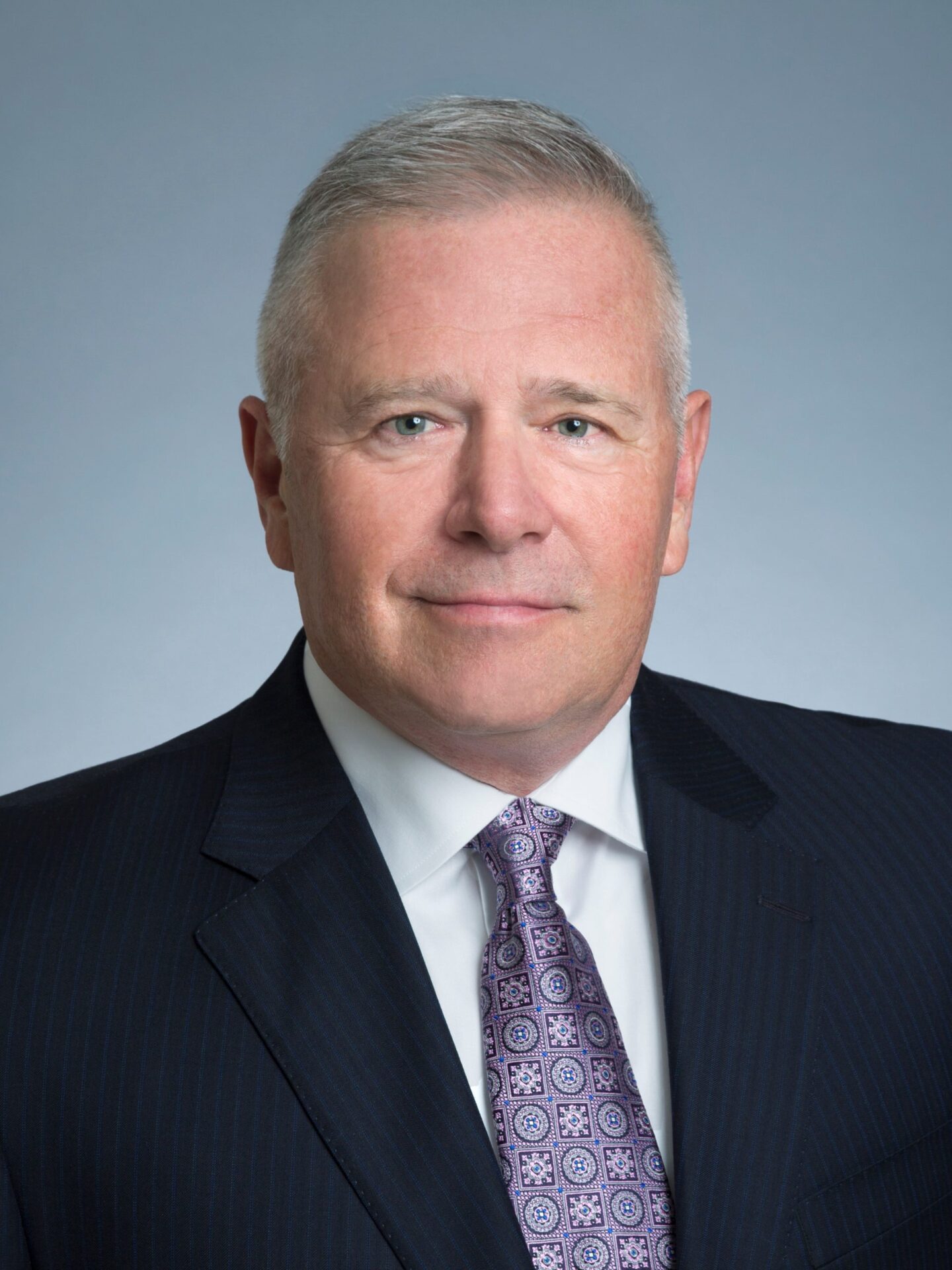
Mark S. Roman
Board Certified Civil Trial Attorney and Founder
Mark S. Roman is the founder of Roman Austin Car Accident and Personal Injury Lawyers and a Board Certified Civil Trial Lawyer, a credential held by fewer than 2% of Florida attorneys. A Tampa Bay native, he has practiced throughout Florida since 1986 and founded the firm in 1996 to represent injured people in his hometown.
He earned a B.S. in Journalism from the University of Florida in 1981 and his J.D. from Florida State University College of Law in 1986. Mark is AV Rated by Martindale-Hubbell, holds a perfect 10 AVVO rating, and belongs to the Multi-Million Dollar Advocates Forum. He has served on the Florida Bar Grievance Committee for both Pinellas and Pasco counties, chairing the Pasco committee.
Author's Bio

