Cell phone records help prove distracted driving by tying a driver’s phone activity to the crash timeline. For someone hurt in a St. Petersburg wreck, how to prove distracted driving with cell phone records often becomes one of the first questions that matters, because those records may show exactly what the other driver was doing seconds before impact.
A St. Petersburg distracted driving accident attorney can use that evidence to build a clearer claim for you and, when needed, pursue a free consultation.
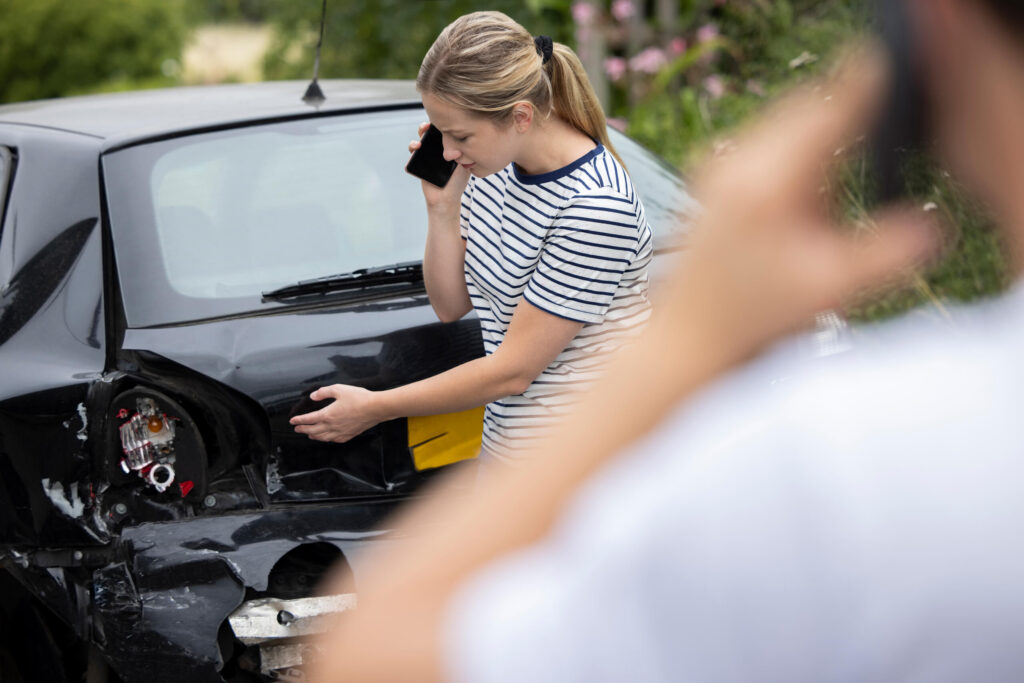
Key Takeaways: How Cell Phone Records Prove Distracted Driving
- Phone records can support a claim by showing calls, texts, data use, or app activity near the crash time.
- Attorneys often pair phone records with witness statements, crash reports, and vehicle data to build a fuller picture.
- The strongest evidence usually comes from matching timestamps, not from one record alone.
- Florida deadlines control when a claim or lawsuit can move forward, so delay can limit options.
- Claims involving city roads, poor signage, broken sidewalks, or bad maintenance may involve government notice rules as well as normal injury deadlines.
How can cell phone records help prove distracted driving after a St. Petersburg car accident?
Cell phone records can help show whether a driver was calling, texting, or using data right when the crash happened. Those records often help connect a driver’s phone use to the timing of the collision, which gives your claim stronger proof.
- Call logs can show incoming or outgoing calls near the crash time.
- Text records can show whether messages were sent or received during the same window.
- Data records can help show app use, internet activity, or device movement.
Cell phone records rarely tell the full story by themselves, but they often give attorneys a strong starting point for proving distraction after a St. Petersburg crash.
How Do Cell Phone Records Help After a St. Petersburg Crash?
Cell phone records help by giving a time stamp that can match the moment of the collision. In many cases, that record answers a simple question: was the driver looking at a screen, making a call, or sending data instead of watching the road?
What Do Records Usually Show?
Cell phone records often show call logs, text activity, and data use around the time of the wreck. They may also show the phone number contacted, the length of a call, or whether the device used data at a key moment.
That information matters because crash claims often turn on timing. If the phone was active at the same time the driver drifted, braked late, or hit another vehicle, the records can support a distracted driving theory.
Why Do Timing Details Matter So Much?
Timing matters because distraction claims depend on a close link between the phone use and the crash. A record from ten minutes after the wreck may help less than one that lands squarely in the seconds before impact.
Attorneys often compare the phone records with the crash report, witness accounts, traffic camera footage, and vehicle data. That comparison helps turn raw numbers into St. Petersburg distracted driving evidence that a claims adjuster, judge, or jury can actually use.
What Else Can Records Support?
Cell phone records in distracted driving cases often support more than one theory of distraction. They may help show texting, a hands-free call that still took attention away, app use, social media activity, or web browsing.
Records also help when a driver denies using the phone at all. When the paper trail says otherwise, the claim gains weight.
How Do Attorneys Get Those Records?
Attorneys usually start by identifying the right carrier, device, and time window. From there, they request the records through the insurance claim process, a preservation letter, or formal discovery once a lawsuit begins.
What Is a Preservation Letter?
A preservation letter asks a person or company to keep relevant evidence from being deleted or lost. In plain English, it tells the other side not to wipe out phone data, call logs, or related records.
This step matters because some phone data disappears quickly. Early action often makes the difference between a solid record and a blank spot.
What Is Discovery?
Discovery is the part of a lawsuit where each side has to share relevant information. In plain English, it gives your attorney a legal path to ask for records, documents, and other evidence the other side may not hand over voluntarily.
Discovery can include subpoenas to a wireless carrier, requests for the driver’s phone logs, and questions under oath. That process often helps attorneys uncover the details needed for proving distracted driving after a car accident.
How Do Lawyers Narrow the Search?
Lawyers narrow the search by working backward from the crash time. They focus on the few minutes before and after impact, then compare that window with the phone activity.
That approach keeps the request targeted and practical. A broad request can waste time, but a focused one can uncover the exact record that matters.
What Kinds of Records Can Be Used?
Different records fill different gaps, and attorneys often need more than one type to build the strongest case. The phone itself may hold clues, but carrier records, app logs, and backup data can also matter.
Which Records Matter Most?
These records often matter most in a distracted driving claim:
- Call detail records, which show calls made or received.
- Text message metadata, which may show the time a message was sent or received.
- Data usage logs, which can show internet or app activity.
- Location data, which may help place the device near the crash scene.
- Device downloads, which can reveal app use or screen activity.
Each record tells part of the story. When combined, they can show whether the driver had one hand on the wheel and the other on a phone instead of on the road.
Can App Activity Matter Too?
App activity can matter when the driver used a mapping app, social media, a messaging platform, or a streaming service. Those apps may leave behind usage logs that help support the claim.
Many people think distracted driving only means sending a text. In reality, any phone use that pulls a driver’s attention away from traffic can matter.
Do Records Always Prove Fault?
Records do not automatically prove fault by themselves. A call log alone may show the driver used the phone, but attorneys still need to connect that use to the crash.
That is where witness statements, police reports, skid marks, crash reconstruction, and vehicle data come in. The goal is to show a fuller picture, not a single data point floating on its own.
Why Does a Lawyer Matter in These Cases?
A lawyer matters because phone evidence often sits in the hands of carriers, insurers, or the other side. Without a focused legal request, some of that information may never surface in useful form.
What Does a Skilled Attorney Do with the Evidence?
A skilled attorney compares the phone timeline with the crash timeline, then checks for gaps or conflicts. If the driver claims they were not using the phone, the records may tell a different story.
An attorney also knows which records to request and how to ask for them in a way that fits the case. That kind of work takes legal knowledge, patience, and a steady eye for detail.
How Does This Help Your Claim?
This evidence can help with liability, settlement value, and trial presentation. A clear phone record may push an insurer to treat the claim more seriously, especially when the driver first denied distraction.
If the insurance company tries to brush off the crash as a simple mistake, the phone data can help hold the driver accountable. That evidence often shifts the conversation from guesswork to proof.
Why Not Rely on the Driver’s Word?
The driver’s word may not match the records. People forget, minimize, or deny phone use after a crash, especially when a claim could cost them money.
Records give your side something more reliable than memory. In many St. Petersburg distracted driving cases, that paper trail becomes the backbone of the claim.
What Deadlines Apply in Florida?
In most cases, Florida gives injured peopletwo years from the date of the crash to file a personal injury lawsuit. Some exceptions may exist depending on the nature of the case. But if you miss the filing deadline, you forfeit your right to compensation.
What About Claims Involving Government Entities?
Claims involving a city, county, or other government entity can add extra notice rules and shorter deadlines. That can matter when bad road repair, missing sidewalks, poor lighting, or unsafe traffic design may have played a role in the crash.
A claim tied to road conditions often needs early review because the clock may start running long before a lawsuit is filed. Fast action helps preserve records, witness statements, and notice deadlines.
Why Do Deadlines Matter So Much?
Deadlines matter because missing one can shut the door on a claim. Even strong evidence loses value if the legal window closes before the case gets filed.
A lawyer can track those dates and figure out which rules apply to your situation. That timing work often protects the claim before an insurer or agency tries to run out the clock.
What Other Evidence Helps Support the Phone Records?
Phone records work best when they sit beside other proof. A strong claim often uses several pieces of evidence that line up with each other.
What Records Can Fill in The Gaps?
These records often help fill in the gaps:
- Police crash reports.
- Witness statements from people who saw the driving behavior.
- Photos or video from nearby businesses, homes, or traffic cameras.
- Black box or event data from the vehicles.
- Medical records that match the timing and severity of the crash.
Each piece helps reinforce the others. When the facts line up, the claim looks less like a theory and more like a clear chain of events.
How Do Weather and Local Roads Matter?
Weather and local roads can matter because St. Petersburg traffic moves through busy corridors, sudden lane changes, and frequent stop-and-go conditions. A driver glancing down at a phone for even a few seconds may miss a light change, a pedestrian, or a sudden stop.
Local road design also matters. Narrow lanes, heavy tourist traffic, and frustrating merge points often leave less room for error.
Can The Claim Include Lost Income and Medical Bills?
Yes, a distracted driving injury claim can include medical bills, missed work, and other losses tied to the crash. Some claims also include future treatment or reduced earning ability when the injuries last longer than expected.
Records that prove the other driver caused the wreck can support those damage claims. Strong liability evidence often gives the rest of the case more traction.
How Can You Strengthen the Claim without Guessing at the Law?
You can strengthen your claim by gathering and saving basic records that help your attorney work faster. The goal is to create a clean trail of information, not to build the legal case alone.
Several steps often help:
- Save the crash report, tow records, and any exchange of information.
- Keep medical bills, discharge papers, and follow-up records together.
- Save screenshots, photos, and messages related to the crash.
- Write down the names of witnesses or businesses near the scene.
- Keep a list of missed work days and out-of-pocket costs.
These details often help an attorney connect the phone evidence to the rest of the claim. Even small records can fill holes that matter later.
How Do St. Petersburg Cases Often Turn on the Story Around the Records?
St. Petersburg cases often turn on whether the records fit the rest of the facts. A phone log may show activity, but the claim gets stronger when the surrounding story points in the same direction.
What If the Driver Used Hands-Free Calling?
Hands-free calling can still distract a driver, even if the driver never touched the phone. A call record may support that type of distraction when paired with unsafe driving behavior, a witness account, or crash timing.
The issue usually stays focused on attention, not just hand contact. That distinction helps when the defense tries to narrow the case too much.
What If the Phone Activity Happened Right After the Wreck?
Phone activity right after the wreck may still help, but attorneys usually look most closely at the few moments before impact. A record just after the crash may show the driver checked the phone immediately after impact, which can still support the timeline.
That timing can matter when a driver claims they were fully focused before the collision. Sometimes, the records reveal a different sequence.
What If the Driver Tries to Hide Cell Phone Use?
A driver may try to hide phone use by deleting messages, changing stories, or blaming something else. Digital records, carrier data, and device downloads can still expose that conduct in some cases.
That is one reason early legal action matters. The sooner an attorney steps in, the better the chance of preserving useful data.
FAQs About Cell Phone Records Proving Distracted Driving in FL
How long do cell phone records usually stay available?
Carriers often keep some records for a limited time, and the exact period can vary. That is one reason attorneys often send preservation requests early.
Can text messages be recovered after a crash?
Sometimes, yes. Carrier records, backups, and device data may help recover information, even when the driver deletes messages from the phone.
Do I need proof that the driver was texting?
No single type of proof controls the case. Calls, app use, data activity, witness statements, and crash evidence may all help show distraction.
What if the other driver says they were using Bluetooth?
Bluetooth does not erase distraction by itself. A hands-free call may still take the driver’s attention off the road, depending on the facts.
Can phone records help in a wrongful death case?
Yes, phone records can help in a wrongful death claim when distracted driving caused a fatal crash. Those records may help show how the collision happened and who should answer for it.
Our Roman Austin Car Accident and Personal Injury Lawyers Can Help
Cell phone records can make a major difference when the crash story does not add up. Our firm knows how to request the records, compare them with the crash timeline, and build a claim that reflects what really happened on the road.
If you suffered injuries or lost a loved one in a distracted driving accident in St. Petersburg, FL, contact Roman Austin Car Accident and Personal Injury Lawyers for a free consultation at (727) 335-1373.
Our office is located at 840 Beach Dr NE Suite 202, St. Petersburg, FL 33701.

Mark S. Roman
Board Certified Civil Trial Attorney and Founder
Mark S. Roman is the founder of Roman Austin Car Accident and Personal Injury Lawyers and a Board Certified Civil Trial Lawyer, a credential held by fewer than 2% of Florida attorneys. A Tampa Bay native, he has practiced throughout Florida since 1986 and founded the firm in 1996 to represent injured people in his hometown.
He earned a B.S. in Journalism from the University of Florida in 1981 and his J.D. from Florida State University College of Law in 1986. Mark is AV Rated by Martindale-Hubbell, holds a perfect 10 AVVO rating, and belongs to the Multi-Million Dollar Advocates Forum. He has served on the Florida Bar Grievance Committee for both Pinellas and Pasco counties, chairing the Pasco committee.
Author's Bio

