Inexperienced Lyft drivers in St. Petersburg often create liability issues because poor training leaves room for mistakes behind the wheel, weak hazard awareness, and bad decisions in busy traffic.
If you suffered injuries or lost a loved one in a Lyft crash someone else caused, a St. Petersburg Lyft accident attorney can review the facts, explain your options, and offer a free consultation.
Key Takeaways: Inexperienced Lyft Drivers and Accidents in St. Pete
- Inexperienced Lyft drivers in St. Petersburg may make errors that support a negligence claim.
- Lyft insurance coverage changes based on whether the app was off, on, or carrying a passenger.
- Fault can be shared in Florida, so more than one person may bear responsibility.
- Poor screening, weak driving habits, and bad judgment can all matter in a rideshare case.
- Deadline rules in Florida can affect how and when a claim moves forward.
How does an inexperienced Lyft driver in St. Petersburg affect accident liability?
An inexperienced Lyft driver in St. Petersburg can increase the chance of fault, expand the number of liable parties, and create insurance questions that affect how a claim gets paid.
- Poor driving judgment, late braking, unsafe turns, and missed hazards can point to driver negligence.
- Lyft may provide different insurance depending on whether the app was off, waiting for a ride, or carrying a passenger.
- Florida fault rules may reduce recovery if more than one person shares blame, so the facts matter.
One crash can involve the driver, another motorist, Lyft’s coverage, and sometimes a third party, so the liability picture often needs a close look.
Why Do Inexperienced Lyft Drivers Create Liability?
Poor driving habits usually show up fast in a rideshare crash because Lyft drivers spend much of their time in traffic, making quick lane changes, stopping for pickups, and dealing with unfamiliar roads. A driver who lacks experience may miss a cyclist, misjudge speed, or hesitate at a turn, and those small mistakes can cause a serious collision.
What Makes a Lyft Driver Legally Responsible?
A Lyft driver becomes legally responsible when the driver acts carelessly and that carelessness causes harm. Negligence means failing to use reasonable care, such as following too closely, speeding through a yellow light, or making an unsafe left turn.
That standard matters because liability turns on conduct, not just on the fact that a crash happened. When the driver’s choices line up with the wreck, the case often becomes stronger for an injured passenger, another driver, or a pedestrian.
How Does Poor Training Show Up On St. Petersburg Roads?
Poor training often shows up in split-second mistakes that local traffic makes harder to forgive. St. Petersburg streets bring beach traffic, downtown congestion, sudden lane shifts, and drivers who stop short for parking or passengers.
In those conditions, a driver with limited experience may:
- Brake too late in stop-and-go traffic
- Miss a pedestrian in a crosswalk
- Turn across traffic without enough space
- Follow GPS too closely and ignore road conditions
Those errors can support Lyft accident liability in St. Petersburg when the facts show the driver failed to use ordinary care.
Does Lyft Training Remove Liability?
Lyft’s screening and onboarding do not erase liability when a driver makes a bad choice on the road. A background check and basic platform requirements do not guarantee sound judgment, and they do not excuse careless driving.
That point matters because a company’s screening process and a driver’s conduct are separate issues. A crash claim often focuses on what the driver did in the moments before impact, then looks at whether insurance coverage applies.
How Does Insurance Work After a Lyft Crash?
Lyft insurance depends on the driver’s app status at the time of the crash, and that detail can change the size of the available coverage. Florida rideshare claims often turn on whether the driver was offline, waiting for a request, or actively transporting a passenger.
What Coverage May Apply When the App Is Off?
The driver’s personal auto policy usually matters most when the app is off. Lyft coverage generally does not step in for a driver who was not working through the platform at the time of the wreck.
That can create a gap if the driver’s personal insurer disputes the claim or limits payment. In those cases, the record from the app, the police report, and witness statements can help identify the correct coverage path.
What Coverage May Apply While the Driver Awaits a Ride?
Lyft generally provides lower coverage while the driver is logged in and waiting for a request. Florida law requires this middle period to carry liability coverage that can help pay injury and property damage claims when the driver causes a crash.
That coverage layer matters because many collisions happen while a driver is cruising for fares, checking the app, or moving toward a pickup. If the claim involves poor Lyft driver training accidents, the app status often becomes one of the first facts to verify.
What Coverage May Apply During an Active Trip?
Higher coverage usually applies once the driver accepts a ride or has a passenger in the car. That stage often carries much stronger insurance protection than the waiting period, which can matter a great deal after a serious injury or wrongful death.
A passenger, another motorist, or a pedestrian may all have claims tied to that larger policy. The exact coverage still depends on the facts, so the timing of the crash should get a careful review.
What Fault Issues Matter Most in These Cases?
Fault in a Lyft crash rarely falls on one person alone, especially when traffic, road design, and driver judgment all play a part. Florida law allows fault to be divided, so every responsible party can matter.
Can More Than One Driver Share Blame?
Yes, more than one driver can share blame in the same crash. A Lyft driver may turn unsafely while another driver speeds, or one driver may fail to yield while another follows too closely.
That shared-fault picture affects compensation because each person’s share of responsibility can change the value of the claim. Evidence such as dashcam video, scene photos, and vehicle damage often helps sort out what happened.
Does a Passenger Still Have a Claim?
Yes, a passenger can still have a claim even when the Lyft driver was not the only person at fault. Passengers rarely control the vehicle, so liability usually turns on the conduct of the drivers involved.
A passenger claim may involve the rideshare policy, another driver’s insurance, or both. That overlap makes documentation important, especially when injuries require treatment or time away from work.
What If Poor Judgment Played a Role?
Poor judgment can point to negligence when the driver ignored traffic conditions, relied too heavily on GPS, or made a rushed decision under pressure. Rideshare driving rewards speed, but the road punishes haste.
That pressure often shows up near hotel zones, the Vinoy area, downtown pickup spots, and crowded roadways leading toward the water. A driver who rushes through those areas may create the very risk the law looks at later.
What Evidence Helps Prove Liability?
Good evidence gives a claim structure, and structure matters when insurance companies question fault. The strongest cases usually rely on records, timing, and a clear picture of what the driver did before the impact.
What Records Should You Keep?
Several records may help show how the crash happened and what losses followed:
- The police report, because it may identify key facts and witnesses
- Medical records and bills, because they show the injury trail and treatment history
- Photos of the vehicles, road, and scene, because they preserve conditions before they change
- Rideshare app screenshots, because they may show whether the driver was logged in or carrying a passenger
- Pay records, because they can help show missed work and lost income
These materials often help a lawyer build the story of the case without relying on guesswork.
Why Does App Data Matter So Much?
App data matters because rideshare coverage often changes by driver status. A screenshot or trip record can help prove whether the driver was offline, waiting, or on an active ride.
That detail can shape the whole claim. If the app record conflicts with the driver’s account, the insurer may have a harder time denying coverage.
How Do Witnesses Help?
Witnesses can help by confirming speed, lane position, traffic signals, or erratic behavior. Even a short statement from someone nearby may support the claim if the driver appeared distracted or unfamiliar with the route.
Witness accounts can be especially useful when the crash happened near a curbside pickup, at night, or during heavy traffic. In those moments, small details often make a big difference.
What Deadlines Apply in Florida?
For most negligence claims in Florida, you must file a personal injury lawsuit within two years of the date of the accident. If you miss the deadline, the court will dismiss your case, and you’ll have no legal recourse to obtain compensation.
Claims against government entities follow separate notice rules and deadlines. When a crash involves faulty road repair, missing sidewalks, poor lighting, or other public infrastructure problems, a claimant usually must give written notice before filing suit, and the timeline can differ from a claim against a private driver or company.
Why Does a Lawyer Matter in a Rideshare Crash?
A lawyer matters because rideshare claims often involve several insurance layers, disputed fault, and app records that most injured people cannot get on their own. The legal team handling the case can identify the right defendants, preserve evidence, and push back when an insurer tries to narrow the story.
What Can a Lawyer Investigate?
A lawyer can investigate the driver’s app status, the crash scene, witness statements, and any signs of distraction or unsafe driving. That investigation can also uncover whether another driver, a city repair issue, or a vehicle defect played a part.
A lawyer may also compare medical records with the crash facts to show how the impact caused the injury. That link often matters just as much as the fault evidence.
How Does a Lawyer Help with Insurance Pressure?
A lawyer helps by handling insurer questions, demand letters, and settlement talks in a way that protects the claim’s value. Adjusters often ask for recorded statements or broad releases, and those requests can create problems if handled too early.
A knowledgeable attorney can keep the claim focused on the facts that matter. That support often gives injured people room to deal with treatment, family responsibilities, and work concerns without carrying the claim alone.
Can a Claim Involve the City?
Yes, a claim can involve the city if road design, sidewalk gaps, or neglected maintenance contributed to the crash. Poor lighting, broken pavement, and missing pedestrian access can all matter when they help cause a collision.
These cases need close attention because public-entity claims follow special notice and deadline rules. A lawyer can check whether the facts support that kind of claim before the deadline closes.
Does Inexperience Alone Prove Fault?
No, inexperience alone does not prove fault, but it can help explain why a crash happened. The legal focus stays on the driver’s conduct, such as failing to yield, speeding, or misreading traffic.
Still, inexperience can matter when it leads to bad decisions in a high-pressure environment. Rideshare driving asks for constant judgment, and poor judgment can leave a clear trail in the evidence.
FAQs About Lyft Driver Accidents in St. Petersburg
How do I know whether the Lyft driver was logged into the app?
Trip records, screenshots, and data from the rideshare platform often help answer that question. A lawyer can request and review that information when the insurer disputes coverage.
Can another driver be responsible in a Lyft crash?
Yes, another driver can share or carry most of the fault. Many rideshare wrecks involve more than one moving part, so the evidence may point to more than one insurer.
What if the Lyft driver was new to rideshare driving?
A new driver may have less experience with city traffic, passenger pickups, and app-related distractions. That lack of experience does not prove liability by itself, but it can support the negligence analysis when the driver made unsafe choices.
How do injuries from a rideshare crash get documented?
Medical records, imaging results, treatment notes, and bills usually form the core of the injury file. Those records help connect the crash to the physical harm and the related expenses.
What should I ask a lawyer during a consultation?
Ask which insurance policies may apply, how fault may be divided, what evidence should be preserved, and whether any government-entity issue exists. Those questions help you get a clearer picture of the claim’s direction.
Contact Roman Austin Car Accident and Personal Injury Lawyers
If you suffered injuries or lost a loved one in a Lyft crash someone else caused in St. Petersburg, FL, our team can review the facts and explain the next steps during a free consultation.
Call (727) 335-1373 to speak with Roman Austin Car Accident and Personal Injury Lawyers.
Roman Austin Car Accident and Personal Injury Lawyers: 840 Beach Dr NE Suite 202, St. Petersburg, FL 33701
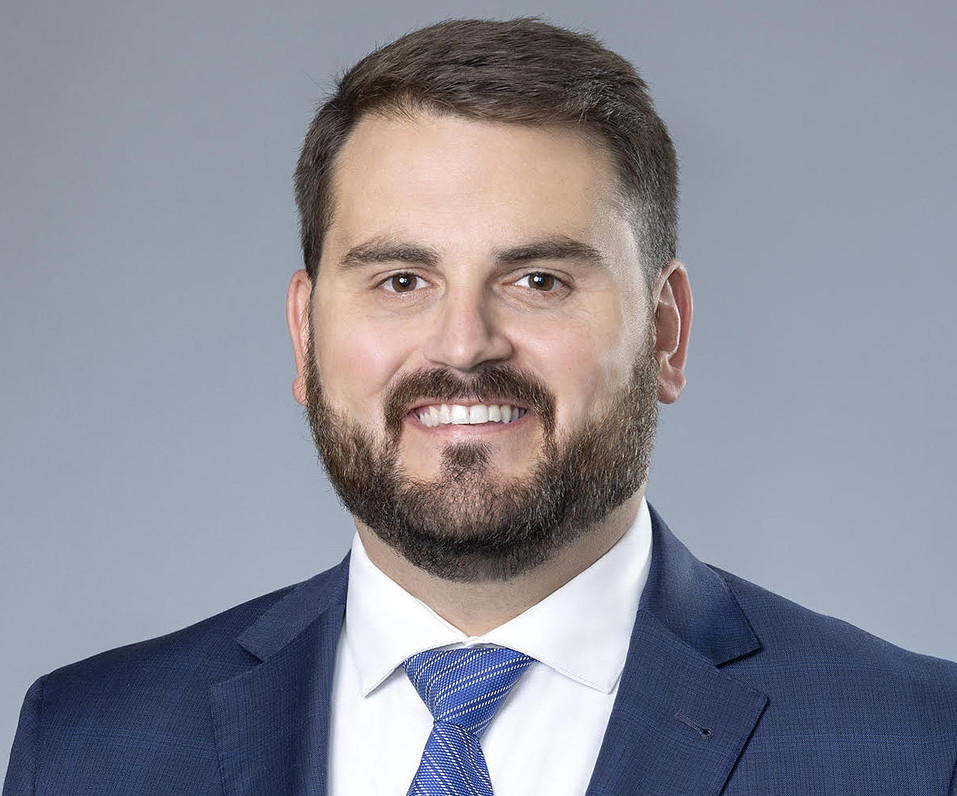
Miles H. Hickman
Partner and Trial Attorney
Miles H. Hickman spent his first six years in practice defending insurance companies at a St. Petersburg firm, where he managed a legal team of more than ten. He has handled cases from pre-suit through trial as both first and second chair. A lifelong central Florida resident and Stetson University College of Law graduate, he is a Super Lawyers Rising Star and a member of the Million Dollar Advocates Forum.
Author's Bio

