Florida distracted driving statistics show why a moment of inattention deserves serious attention. A driver who looks down to read a message may travel the length of a football field without watching the road. That short lapse may leave another person with a traumatic brain injury, spinal damage, broken bones, or permanent disability.
For someone in Safety Harbor who suffered an injury or lost a family member because another driver looked at a phone instead of the road, the numbers represent more than a statewide trend. They may help explain why the crash happened and why accountability matters.
A Safety Harbor car accident attorney can review the circumstances during a free consultation and discuss possible next steps.
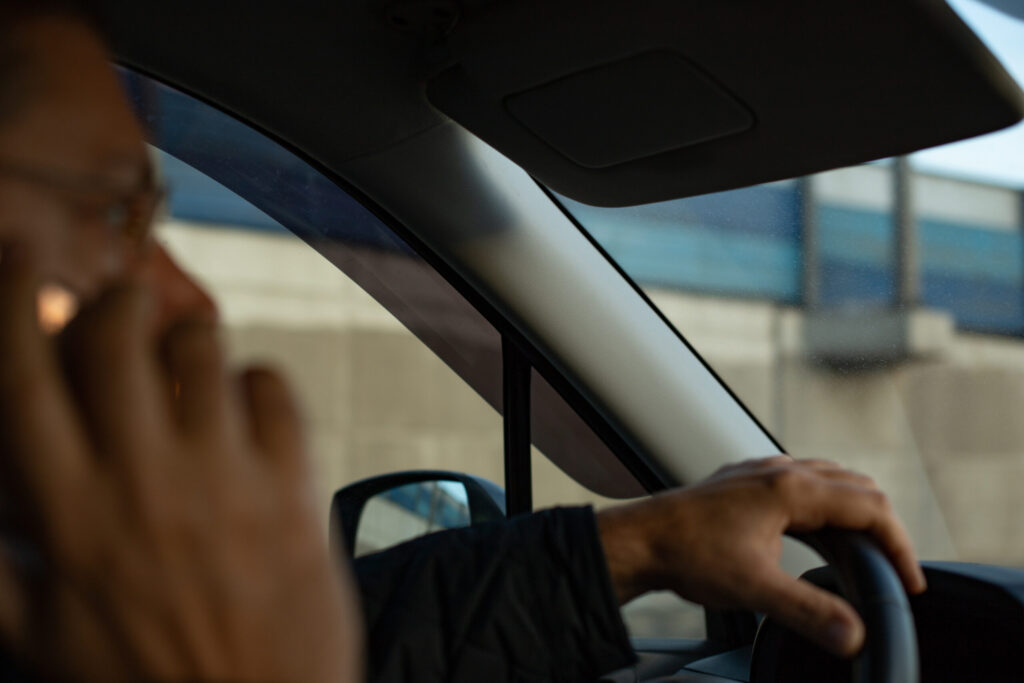
Key Takeaways: Florida Distracted Driving Accident Statistics
- Florida recorded more than 53,000 distracted-driving crashes in 2022, with 268 reported deaths.
- Distracted driving includes visual, manual, and mental distractions, not only texting.
- A citation does not determine the entire injury claim, and a lack of citation does not end the inquiry.
- Florida law generally gives injured people two years to file most personal injury lawsuits.
- Early evidence preservation may reveal phone use, witness accounts, traffic-camera footage, and other facts that disappear over time.
How serious is distracted driving in Florida and Safety Harbor?
Distracted driving is a serious safety problem in Florida and Safety Harbor, with tens of thousands of reported crashes and hundreds of deaths statewide each year.
- FLHSMV reported that nearly 300 people died in distracted-driving crashes in Florida in 2023, an increase from the prior year.
- Texting, phone use, eating, adjusting a radio, and looking away from traffic can all delay a driver’s reaction.
- A distracted driver may cause a crash even when traveling at a normal speed and following other traffic laws.
Distracted driving remains a preventable cause of serious injuries and deaths on roads throughout Pinellas County.
What Do Florida Distracted Driving Statistics Show?
Florida distracted driving statistics show that inattention affects drivers, passengers, and people outside vehicles, with thousands suffering injuries in reported crashes.
Who Suffered Injuries?
The crash data for 2024 lists 148,518 people involved:
- 277 people died, including 182 drivers, 50 passengers, and 45 non-motorists.
- 2,312 people suffered incapacitating injuries that seriously limited their daily activities.
- 13,670 people experienced non-incapacitating injuries.
- 29,006 people had possible injuries.
- 103,253 people had no reported injuries.
What Caused the Distraction?
Inattentive driving represented the largest category, involving 116,999 people and 218 fatalities. Electronic communication devices, including cell phones, involved 8,426 people and caused 17 deaths. External distractions caused 22 fatalities among 7,993 people, while other distractions inside vehicles involved 12,572 people. Texting appeared in 297 cases, including four incapacitating injuries and no reported fatalities.
These figures show that distraction extends beyond texting and can affect everyone sharing Florida’s roads.
How Does Florida Define Distracted Driving?
Florida defines distracted driving through conduct that takes a driver’s attention, hands, or eyes away from driving. Texting and entering multiple characters into a wireless device for nonvoice communication violate Florida Statute section 316.305.
Distraction may involve three forms:
- Visual distraction, which takes the driver’s eyes off traffic.
- Manual distraction, which takes one or both hands away from steering.
- Mental distraction, which shifts the driver’s attention away from driving.
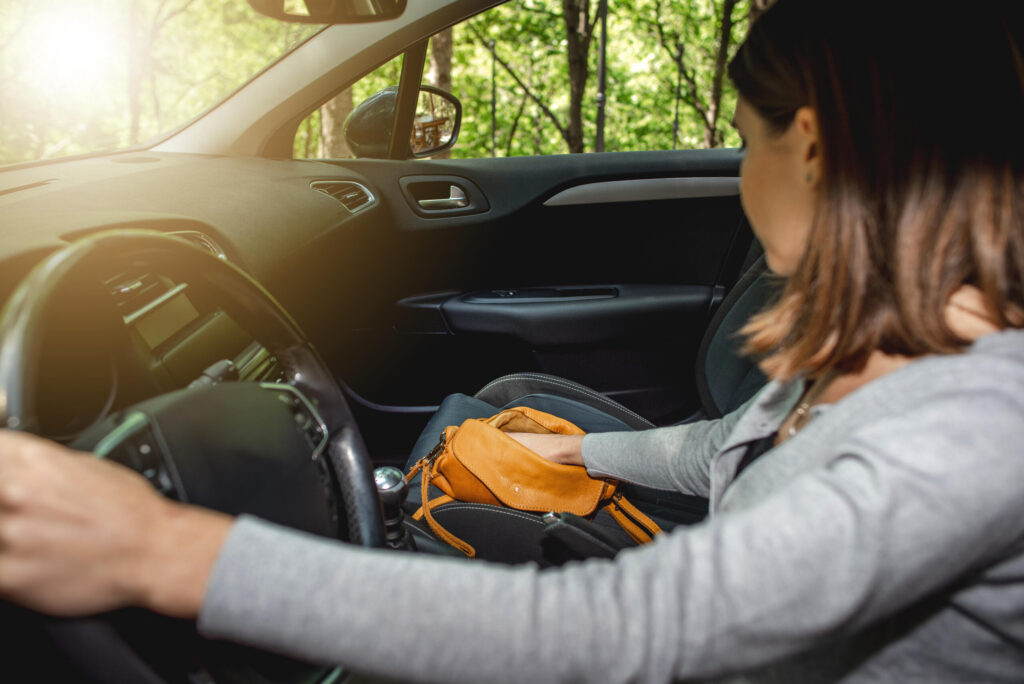
A driver may experience more than one type at the same time. Reading a text takes the eyes from the road, occupies a hand, and requires the driver to think about the message instead of traffic.
Florida law does not make every form of distraction a separate traffic offense. However, a driver’s conduct may still support a negligence claim when that conduct caused a crash and resulting injuries.
What Are the Most Common Forms of Distraction?
The most common forms of distraction include mobile-phone use, eating, grooming, adjusting vehicle controls, looking at passengers, and reaching for objects. A driver may also lose attention while using a navigation application or reacting to an argument inside the vehicle.
Florida distracted driving facts and trends show why phone use receives so much attention, but phone use does not represent every distracted-driving event. A driver who turns around to speak with a child may miss a stopped vehicle. A driver who reaches for a drink may drift into another lane.
The legal question usually centers on whether the driver acted with reasonable care and whether that conduct caused the collision. The type of distraction helps establish what happened, but the full evidence determines how the claim develops.
How Can Distraction Cause a Severe Injury?
Distraction can cause a severe injury because an inattentive driver may fail to brake, drift across a lane, or strike another road user at full travel speed. The injured person may suffer harm even when the vehicle damage appears limited.
Common injuries include:
- Concussions and traumatic brain injuries.
- Spinal cord damage and herniated discs.
- Broken arms, legs, ribs, and facial bones.
- Internal bleeding and organ injuries.
- Torn ligaments, nerve damage, and lasting pain.
- Fatal injuries that lead to a wrongful death claim.
A person may also develop symptoms hours or days after the collision. Medical records, diagnostic testing, follow-up visits, and treatment plans may help connect those symptoms to the crash.
What Evidence May Show That a Driver Was Distracted?
Evidence may show distraction through a combination of witness observations, digital records, admissions, vehicle data, and physical facts. No single item always settles the question.
Useful evidence may include:
- Statements from people who saw the driver holding or looking at a phone.
- Phone records showing calls, texts, or application activity near the crash time.
- Dashcam, surveillance, traffic-camera, or doorbell-camera footage.
- Social-media posts or messages made close to the collision.
- The driver’s statements to police, witnesses, insurers, or other parties.
- Vehicle positioning, delayed braking, lane departure, and impact patterns.
Preserving evidence early matters because businesses may overwrite video, witnesses may forget details, and digital records may become harder to obtain. An attorney may send preservation requests and coordinate the collection of evidence before it disappears.
Does a Texting Citation Prove Liability?
A texting citation does not automatically prove liability, but it may provide useful evidence of unsafe conduct. The citation may show that an officer found a violation, while the rest of the evidence must connect that violation to the collision and injuries.
For example, a driver may receive a texting citation after a rear-end crash. The citation may support the argument that the driver failed to watch traffic, while vehicle damage and witness accounts may show that the driver had enough distance to stop.
A citation alone may not answer every question. The injured person still needs to establish medical harm, financial losses, and the relationship between the driver’s conduct and the collision.
Can a Driver Face Responsibility Without a Texting Citation?
A driver may face civil responsibility without a texting citation when other evidence shows that distraction or another form of careless conduct caused the crash. Police officers do not issue citations in every collision, and an officer may lack enough information to identify phone use.
Civil claims use evidence beyond traffic tickets. A witness may have seen a driver applying makeup, reaching into a back seat, or looking down at a device. A video may show the driver’s head angled away from the roadway before impact.
The absence of a ticket does not decide the claim. The evidence may still support a negligence case, especially when the crash pattern and witness accounts point toward inattention.
How Does Comparative Fault Affect a Distracted Driving Claim?
Comparative fault may reduce a person’s recovery when evidence shows that the injured person also contributed to the harm. Florida’s current rules require careful review of each person’s conduct, including issues such as speed, following distance, lane position, and traffic signals.
For example, an insurer may argue that an injured driver accelerated through a yellow light. The other driver’s phone use may still matter, but the final allocation of fault may depend on testimony, video, vehicle data, and the timing of each action.
An attorney can examine whether an insurer’s comparative-fault argument matches the physical evidence. A person should not assume that an insurer’s first percentage estimate reflects the final legal analysis.
What Should You Do After a Distracted Driving Crash?
Several practical steps may preserve information and support a more accurate claim after a distracted-driving crash. Each case differs, so a lawyer should review the circumstances before you make decisions about statements, releases, or settlement documents.
Consider taking these steps:
- Seek medical evaluation and follow the treatment plan documented by your healthcare providers.
- Keep copies of medical records, bills, prescriptions, transportation costs, and work-loss information.
- Save photographs and videos of the vehicles, roadway, traffic signs, injuries, and visible conditions.
- Write down what you remember about the other driver’s phone use, statements, lane position, and actions before impact.
- Gather contact information for witnesses and identify nearby businesses or residences that may have cameras.
- Preserve texts, emails, photographs, and social-media material connected to the crash.
- Refer insurance questions to an attorney before giving a recorded statement or signing a release.
A short written timeline may help organize details while memories remain fresh. Include the time of the crash, road conditions, traffic movement, emergency response, symptoms, medical visits, and communications with insurance representatives.
Why Should You Speak with a Personal Injury Attorney?
A personal injury attorney helps protect the evidence, identify responsible parties, evaluate insurance coverage, and present the injury claim in a way that accounts for both current and future losses. The attorney also handles communications that may otherwise place pressure on an injured person.
A distracted-driving case may involve more than the other driver. Potential issues may include uninsured or underinsured motorist coverage, an employer’s responsibility for a working driver, a vehicle owner’s role, a rideshare company’s insurance, or a roadway condition that contributed to the collision.
An attorney with experience in Florida injury claims can also assess whether settlement discussions reflect the full record. Medical treatment may continue after an insurer makes an early offer, and a quick payment may not account for future care, lost income, or permanent limitations.
What Compensation May Be Available?
Compensation may include medical expenses, lost income, reduced future earning ability, property damage, pain, disability, disfigurement, and other losses supported by the evidence. A wrongful death case may include funeral costs, lost support, and other damages allowed by Florida law.
The available recovery depends on the facts, insurance policies, medical proof, fault allocation, and applicable legal limits. No attorney can promise a particular result before reviewing the evidence.
A careful claim assessment considers more than the first hospital bill. It may include follow-up treatment, rehabilitation, medication, assistive equipment, transportation, missed work, household services, and the effect of the injury on ordinary activities.
What Deadlines Apply to Florida Distracted Driving Claims?
Most Florida negligence lawsuits arising from personal injuries must be filed within two years of the date the claim accrued. Filing an insurance claim or negotiating with an insurer does not replace filing a lawsuit in court.
Wrongful death claims generally have a two-year deadline from the date of death, though exceptions and special rules may apply. Older accidents may fall under the law in effect when the claim accrued. Because the correct deadline depends on the accident date and claim type, early legal review remains important.
What If a Roadway Condition Also Contributed?
A roadway condition may create an additional claim when a government entity’s negligent maintenance, design, inspection, signage, lighting, sidewalk condition, or repair work contributed to the crash. Examples may include a dangerous intersection, missing warning sign, defective signal, unsafe shoulder, or lack of a reasonably safe pedestrian route.
Florida Statute section 768.28 waives sovereign immunity in limited circumstances, but claims against the state, a county, or a municipality involve special notice rules, damage limits, and procedural requirements.
The statute generally requires written notice within three years for many claims, while wrongful death claims have a two-year notice period.
Government claims also require investigation into ownership, maintenance duties, prior complaints, inspection records, and the connection between the condition and the collision. A person should obtain legal advice promptly because a government claim may involve different deadlines and requirements than a claim against a private driver.
FAQs About Distracted Driving Claims in Safety Harbor
Can I still file a claim if the other driver denies using a phone?
You may still have a claim if other evidence supports the conclusion that the driver caused the crash. A denial does not erase witness statements, camera footage, vehicle data, phone records, or the driver’s other statements.
What if the distracted driver was operating a rideshare vehicle?
A rideshare collision may involve the driver’s personal policy, the rideshare company’s coverage, or another policy depending on whether the driver had accepted a trip, was traveling to a passenger, or was waiting for a request. The driver’s status at the time of impact may affect which insurer evaluates the claim.
Can passengers recover for injuries caused by a distracted driver?
Passengers may pursue injury claims when a distracted driver or another negligent party caused the collision. A passenger’s claim may involve the driver of the vehicle carrying the passenger, another motorist, or more than one responsible party.
What happens if the driver was a minor?
A claim involving a minor driver may require review of the driver’s conduct, vehicle ownership, insurance coverage, and any facts relevant to parental or household responsibility under Florida law. The proper defendant and available coverage depend on the specific circumstances.
Should I accept the first insurance settlement offer?
You should have an attorney review an initial settlement offer before accepting it because the offer may not account for future medical care, lost income, permanent impairment, or unresolved liability issues. Signing a release may end the claim even if later treatment reveals additional harm.
Choose Roman Austin Car Accident and Personal Injury Lawyers
Roman Austin Car Accident and Personal Injury Lawyers brings a focused approach to injury claims involving distracted drivers, vehicle collisions, serious injuries, and wrongful death. Our attorneys use legal knowledge, case preparation, and evidence review to press for a fair evaluation of what happened and how the crash affected your life.
If another driver’s distraction injured you or caused the death of someone you love, contact Roman Austin Car Accident and Personal Injury Lawyers for a free consultation.
Call (727)-214-5001 to discuss the crash with our attorneys and learn what information may help protect your claim.
Roman Austin Car Accident and Personal Injury Lawyers: 202 9th Ave S Suite A-2
Safety Harbor, FL 34695


