

Roman Austin | January 26, 2026 | Personal Injury
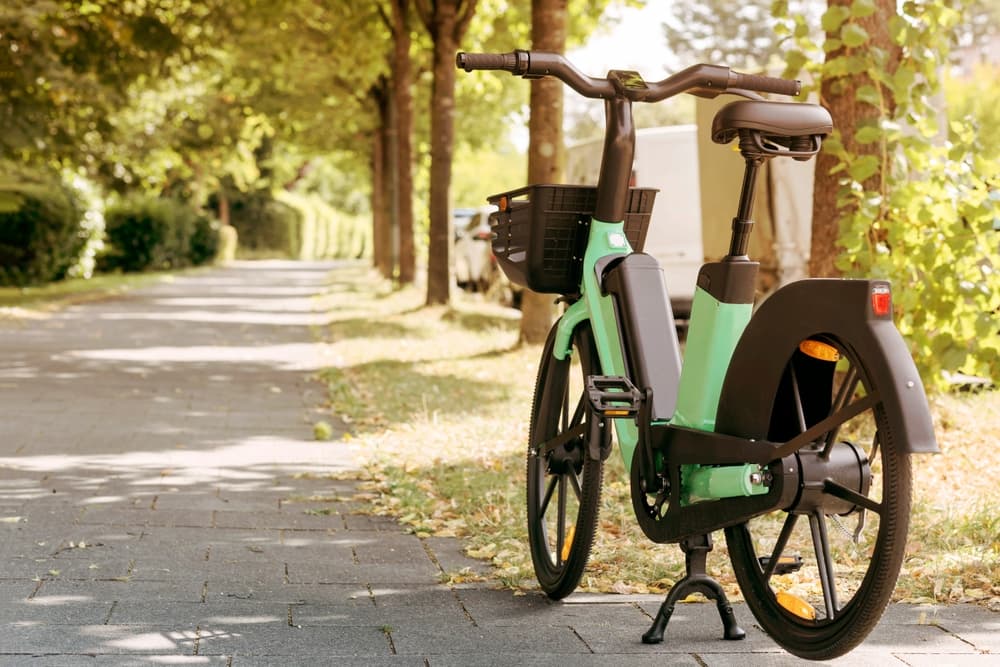
Electric bicycles have experienced a surge in popularity across Florida. Residents use them to commute to work while tourists rent them to explore our coastal towns. These vehicles offer an efficient way to travel, but they also create confusion regarding traffic laws.
Drivers often lack knowledge on how to share the road with e-bikes. Riders often do not know if they belong in the bike lane or on the sidewalk. This uncertainty leads to dangerous situations and severe accidents. You need to know your rights if a negligent driver strikes you while you are riding.
Florida e-bike laws: classifications, speed limits, and where you can ride provide the framework for establishing liability and seeking compensation for your injuries.
Roman Austin Personal Injury Lawyers brings clarity to these complex legal issues. Our team includes Board Certified Civil Trial Attorneys. This distinction validates our proficiency in trial law and demonstrates our commitment to high ethical standards.
We know how insurance companies try to use obscure traffic statutes to deny valid claims. Our Clearwater E-Bike Injury Lawyers handle the legal arguments so you can focus on healing from your injuries.
Defining Electric Bicycles Under Florida Statute
Florida law treats electric bicycles differently than standard bicycles and motorized scooters. Florida Statute 316.003 provides the specific legal definition. An electric bicycle is a bicycle equipped with fully operable pedals and an electric motor of less than 750 watts. The state classifies these vehicles as bicycles rather than motor vehicles.
Distinctions from mopeds and motorcycles
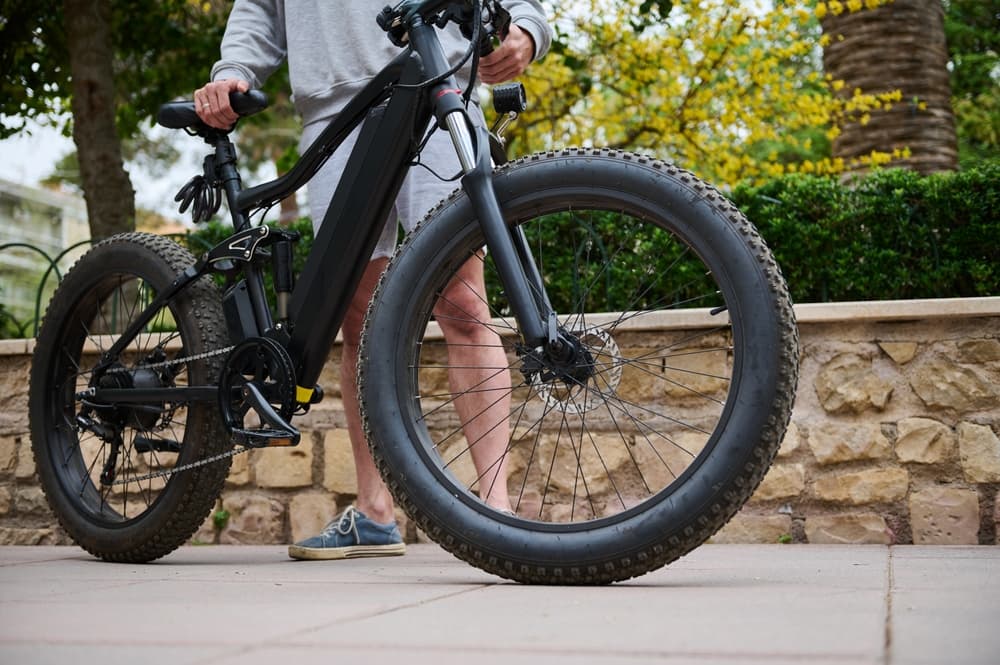
This classification is of significant importance for your legal obligations. You do not need a driver’s license to operate a standard e-bike. You do not need to register the bike with the state or carry a license plate. You also do not need to carry personal injury protection insurance.
The defense might try to argue that you operated an unregistered motorcycle to avoid paying your claim. We use the statute to prove that your vehicle met the legal definition of an electric bicycle.
The three classes of E-bikes in Florida
Florida law divides electric bicycles into three specific classes based on their speed and motor operation. Your rights and restrictions depend on which class of bike you ride.
Class 1 electric bicycles
A Class 1 e-bike provides motor assistance only when the rider pedals. The motor stops providing assistance when the bicycle reaches a speed of 20 miles per hour. These bikes are the most common and face the fewest restrictions. You can generally ride them anywhere a traditional bicycle can go.
Class 2 electric bicycles
A Class 2 e-bike creates power even if you do not pedal. It has a throttle that propels the bike forward. The motor assistance must cut off at 20 miles per hour. These bikes are popular for commuters who want to travel without exertion. They generally follow the same rules as Class 1 bikes regarding where they can operate.
Class 3 electric bicycles
A Class 3 e-bike provides assistance only when the rider pedals but it continues to assist up to 28 miles per hour. These bikes are faster and capable of keeping pace with city traffic. Florida law requires Class 3 bikes to have a speedometer. The operator must be at least 16 years old. Some local ordinances restrict Class 3 bikes from certain paths due to their higher speeds.
Florida E-Bike Laws: Classifications, Speed Limits, and Where You Can Ride
The most frequently asked question concerns where a rider can legally operate their e-bike. The general rule is that e-bikes have the same rights and duties as traditional bicycles. However, exceptions exist.
Rights on roadways and bike lanes
You have the right to ride your e-bike on the roadway. You must follow the same traffic laws as a car. This includes stopping at stop signs and obeying traffic lights. You generally must ride as far to the right as practicable.
You can take the full lane if the lane is too narrow to share safely with a car or if you are preparing for a left turn. You can also use designated bike lanes. Drivers often fail to yield to e-bikes in bike lanes when turning right. We investigate the crash scene to prove you had the right of way.
Sidewalk riding regulations
Florida law generally allows you to ride an e-bike on the sidewalk. However, you must yield the right of way to pedestrians. You must give an audible signal before overtaking and passing a pedestrian.
A local government can prohibit e-bikes on sidewalks in specific areas. We check the municipal codes for the location of your accident. The defense will argue you were negligent for riding on the sidewalk if a local ordinance prohibited it.
Multi-use paths and trails
Florida has an extensive network of multi-use paths like the Pinellas Trail or the Suncoast Trail. E-bikes are generally allowed on these paths. The managing entity can restrict them. Some trails have speed limits lower than the top speed of your e-bike.
You must obey posted speed limits regardless of your bike’s capability. We analyze the specific rules of the trail where your accident occurred.
Liability and Insurance for E-Bike Accidents
Securing compensation for an e-bike accident presents unique challenges compared to a car crash. The insurance landscape is often fragmented.
The no-fault insurance gap

Florida is a No-Fault state for auto accidents. You typically turn to your own Personal Injury Protection (PIP) coverage to pay the first $10,000 of medical bills.
However, PIP generally does not cover e-bike accidents because e-bikes are not motor vehicles under the PIP statute. You might face immediate out-of-pocket costs for your medical care. We help you identify other sources of funding such as health insurance or Medical Payments coverage.
Determining fault in e-bike collisions
We must prove that the other driver was negligent to secure compensation.
- Failure to yield: Drivers often turn left in front of oncoming e-bikes because they misjudge the speed.
- Dooring: A driver opens a car door into the path of a rider.
- Unsafe passing: Drivers must leave at least three feet of space when passing a cyclist.
We use video footage and witness testimony to establish that the driver violated your right of way.
Using Uninsured Motorist Coverage
The driver who hit you might have no insurance or very low limits. Your own Uninsured Motorist (UM) coverage serves as a vital safety net. Many auto policies cover you under UM provisions if you are hit by a car while walking or riding a bike.
Insurance carriers often try to deny these claims by arguing the e-bike is a motorized vehicle excluded from the policy. We aggressively challenge these interpretations to access the benefits you paid for.
Modifications and tampering
E-bike enthusiasts sometimes modify their bikes to exceed the legal speed limits. Florida law prohibits tampering with the motor or the speed governor to change the classification of the bike without updating the label.
Legal consequences of modification
Your e-bike might legally become an unregistered motorcycle if you modify a Class 3 bike to go 40 mph. This changes your legal status significantly. You might need a driver’s license and registration.
The insurance company will almost certainly deny coverage if they discover the modification. We advise clients to keep their bikes within factory specifications to protect their legal rights.
Protecting Your Claim During Recovery
The actions you take in the weeks following the accident influence the success of your lawsuit. You must manage your recovery strategically to prevent insurance adjusters from devaluing your claim.
- Adhere to your treatment plan: Insurance companies look for gaps in treatment to argue that you healed quickly. Attend every physical therapy session and follow-up appointment. Consistency creates a medical record that proves the severity of your condition.
- Preserve the E-bike: Do not repair your bike or throw it away. The damage to the frame and the electronic data in the motor serve as vital evidence. We often send a professional to inspect the bike to prove you were traveling at a legal speed.
- Maintain a recovery journal: Medical records contain clinical data but they lack the human element. Write down your daily pain levels and the specific activities you can no longer perform. This journal helps us explain to a jury how the injury disrupts your daily life.
- Pause social media activity: Insurance investigators monitor social media to find evidence that contradicts your injury claims. Set your accounts to private and avoid posting until your case resolves.
- Decline recorded statements: The at-fault driver’s insurance company will likely call you. They train adjusters to ask leading questions that can damage your liability case. Tell them to speak with your attorney and hang up.
Why Choose Roman Austin Personal Injury Lawyers
The firm you hire shapes your recovery trajectory. You need a team that combines compassion for your situation with aggression in the courtroom. Roman Austin Personal Injury Lawyers offers the resources and the results you need.
Board certification standards
Our board-certified civil trial attorneys have met rigorous standards set by The Florida Bar. This certification demonstrates our commitment to excellence in trial practice. We prepare every case for trial from day one. This preparation pressures the insurance company to treat your claim with the seriousness it deserves.
A track record of success
We have recovered millions of dollars for our clients in verdicts and settlements. Our firm has successfully handled complex cases involving brain injuries and wrongful death. While every case is unique, our past results show that we have the resources to fight large insurance carriers and corporate defendants. We do not settle for less than the full value of your claim.
Local community focus
We live and work in the communities we serve. We understand the specific traffic patterns and local ordinances that affect your case. We treat our clients like family. You will speak directly with your attorney and receive regular updates on your case. We limit our caseload to ensure we can provide the personal attention you deserve.
FAQ: Florida E-Bike Laws
Do I need a license to ride an e-bike in Florida?
No. You do not need a driver’s license to operate a compliant electric bicycle. However, you must be at least 16 years old to operate a Class 3 e-bike.
Can I ride my e-bike on the beach?
Some Florida beaches allow e-bikes while others prohibit them. Local ordinances govern beach riding. We check the specific rules for the beach where you want to ride.
Is my e-bike covered by my homeowners insurance?
Most homeowners policies exclude coverage for motorized vehicles. Some policies make exceptions for e-bikes or allow you to purchase a specific endorsement. We review your policy to see if coverage exists.
Can I get a DUI on an e-bike?
Yes. Florida DUI laws apply to bicycles. You can be arrested for riding an e-bike under the influence of alcohol or drugs.
Who is liable if a rental e-bike malfunctions?
The rental company may be liable if it failed to maintain the bike. The manufacturer may be liable if the bike had a design defect. We review the maintenance logs and the bike’s history.
We Fight for Your Rights

An e-bike accident disrupts your life and leaves you with physical pain and financial uncertainty. You do not have to face the insurance companies alone. Roman Austin Personal Injury Lawyers exists to provide the advocacy you need.
We possess the resources to investigate your accident and the trial skills to demand fair compensation. Our board-certified civil trial attorneys stand ready to guide you through the legal process.
We invite you to contact us to discuss your case. We can help you identify every potential source of recovery. Contact Roman Austin Personal Injury Lawyers to discuss your case today.


