Many riders assume that because Florida e-bike laws don't require insurance, a crash leaves them with no coverage at all. Usually, the opposite holds true. Your auto policy, the at-fault driver's policy, and sometimes a rental company's or manufacturer's coverage can all come into play, even though your bike or scooter carries none of its own.
That matters if a driver turned across your path on Clearwater Beach or clipped you on a busy Pinellas road. You may be dealing with a broken wrist, a wrecked bike, and missed work, while an adjuster questions whether you were riding legally in the first place.
A Florida e-bike accident attorney can sort out which rules applied to your ride and which policies should pay. A free consultation lets you get those answers before you talk to any insurer.
Key Takeaways: E-Bike Accidents in FL
- E-Bikes Follow Bicycle Rules: Florida gives e-bike and scooter riders the same rights and duties as cyclists, including the right to use the road.
- Classification Affects Your Claim: A device with too much power or no working pedals may count as a motor vehicle, which changes the insurance picture.
- Sidewalk Riding Depends on Local Rules: State law allows it in many places, but cities and counties can restrict it.
- Your Auto Policy May Help: Uninsured motorist coverage, and sometimes PIP, can pay when a car hits you on an e-bike or scooter.
- Fault Can Be Shared: Florida reduces your recovery by your share of blame, so evidence about speed and visibility matters.
Do you need insurance for an e-bike in Florida?
No, Florida doesn't require insurance for an e-bike that meets the state's definition of an electric bicycle. Other policies can still protect you:
- No license or registration either: Class 1, 2, and 3 e-bikes with motors under 750 watts need no license, registration, or insurance.
- Your auto policy may cover you: Uninsured motorist coverage, and sometimes PIP, can pay for your injuries if a car hits you while you're riding.
- Home policies may cover the bike: A homeowner's or renter's policy may cover theft, damage, or a claim against you, unless it excludes motorized devices.
A bike that exceeds Florida's e-bike limits may count as a motor vehicle and require registration and insurance.
How Do Florida E-Bike Laws Classify Electric Bikes and Scooters?
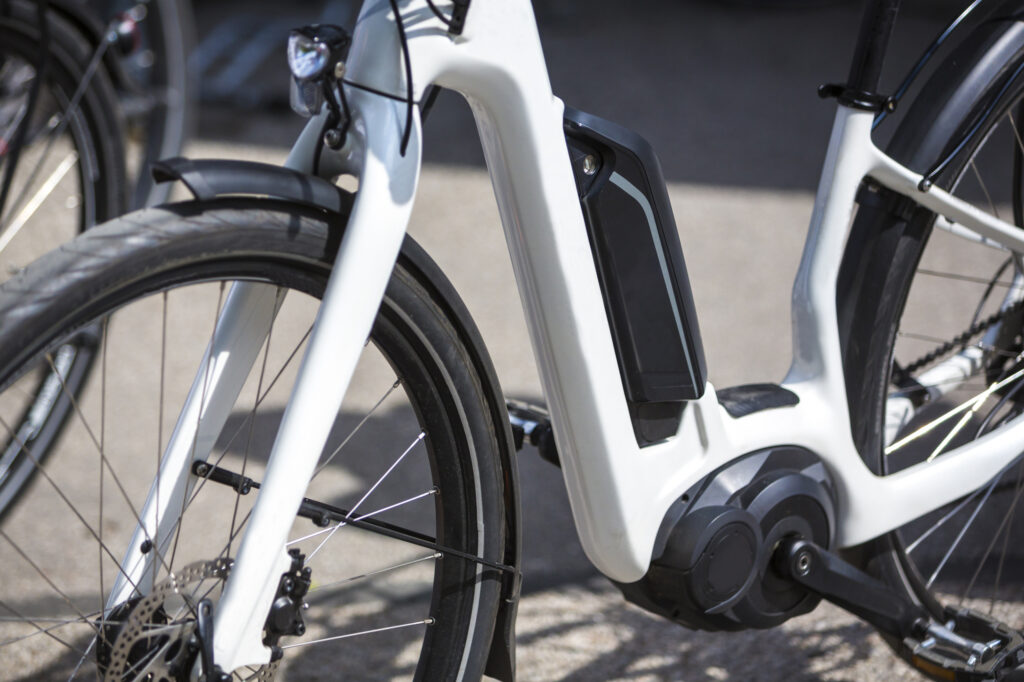
Florida e-bike laws classify an e-bike as a bicycle or tricycle with working pedals, a seat, and an electric motor under 750 watts that fits one of three classes. Scooters fall under a separate set of rules for motorized scooters and micromobility devices.
The Three E-Bike Classes and Where Scooters Fit
Each class describes how the motor helps and when it stops helping. Here's how they compare with electric scooters:
| Device | How the Motor Works | Motor Assistance Stops At | Throttle Allowed? |
| Class 1 E-Bike | Assists only while you pedal | 20 mph | No |
| Class 2 E-Bike | Can move the bike without pedaling | 20 mph | Yes |
| Class 3 E-Bike | Assists only while you pedal; requires a speedometer | 28 mph | No |
| Motorized Scooter | Powers the scooter without pedals | Top speed of 20 mph on level ground | Yes |
None of these devices requires a driver's license, registration, or insurance under state law.
Where Electric Scooters Fit Under Florida Electric Scooter Laws
Electric scooters count as motorized scooters or micromobility devices, and their riders have the same rights and duties as cyclists. State law lets counties and cities regulate where scooters operate, including rental programs and sidewalk use. As a result, a scooter that's legal on one street may be off-limits a mile away.
When a Bike Stops Being an E-Bike
A device loses its e-bike status when its motor reaches 750 watts or more, it lacks working pedals, or someone modifies it to exceed its class limits. Many high-powered e-motos fall outside the definition and count as motor vehicles instead. That can require registration and insurance, and it can change how insurers and courts treat a crash involving one.
Where Do Florida E-Bike Laws Let You Ride?
Florida e-bike laws let you ride anywhere a regular bicycle can go, including roads, bike lanes, and shared-use paths, unless a local government restricts it. Class 3 e-bikes are allowed on bike paths at the state level, which makes Florida more permissive than many states.
Can You Ride an E-Bike on the Sidewalk Under Florida E-Bike Laws?
Yes, you can generally ride an e-bike on a Florida sidewalk unless a local ordinance prohibits it. On a sidewalk, you have the rights and duties of a pedestrian, which means yielding to people on foot and giving an audible signal before passing.
A 2026 bill would have capped sidewalk speeds near pedestrians, but the governor vetoed it, so no statewide sidewalk speed limit applies. Checking posted signs and local rules before riding keeps you on the right side of the law.
Local Rules, Age Limits, and ID
Cities and counties can add their own layer of rules. Since 2025, local governments may set minimum ages for e-bike riders and require riders to carry a government-issued photo ID. Beach towns and parks may restrict certain classes on crowded paths. Statewide, riders and passengers under 16 must wear a bicycle helmet.
Who Is Responsible When an E-Bike or Scooter Rider Gets Hurt?
The person or company whose carelessness caused the crash is responsible, and e-bike and scooter accident accountability in Florida often involves more than one party. A few terms shape these claims:
- Negligence: Careless conduct that falls short of how a reasonable person would act. Most rider injury claims start by proving someone was negligent.
- Modified comparative fault: Florida's rule that reduces your recovery by your share of blame. Anyone more than half at fault recovers nothing.
- Product liability: A manufacturer's or seller's responsibility for a defective product. A failed battery, brake, or frame can support this kind of claim.
- Uninsured motorist (UM) coverage: Insurance that pays when the at-fault driver has little or no coverage. In many policies, it follows you even when you're not in a car.
Drivers and Distraction
Drivers cause many serious e-bike and scooter crashes, often because they misjudge a rider's speed or never look. An e-bike moving at 20 mph arrives faster than a driver expects from a bicycle, so left turns across a rider's path and right turns into a bike lane cause frequent collisions.
Florida bans texting while driving, and phone records can show a driver was distracted. When a driver caused your crash, their liability insurance is usually the first place to look for payment.
Rental Companies, Manufacturers, and Property Owners
Other parties can share e-bike accident liability. A rental company that sends out a scooter with worn brakes, a manufacturer whose battery overheats, or a property owner who leaves a path broken and unlit may each carry responsibility. Rental apps often include waivers and arbitration clauses, but those terms rarely protect a driver or manufacturer who caused the crash.
Does Riding Fast or Without a Helmet Hurt Your Claim?
Riding fast or without a helmet doesn't bar your claim, but an insurer may argue it contributed to your injuries. Florida doesn't require helmets for riders 16 and older, so an adult's choice to ride without one is legal.
Still, under modified comparative fault, a jury can reduce your recovery if your own conduct played a role. Evidence about speed, lighting, and how the crash happened often settles those arguments.
Do You Need Insurance for an E-Bike in Florida, and Who Pays?
You don't need insurance to ride an e-bike or scooter in Florida, but other policies often pay when you're hurt. The right source depends on who caused the crash and what coverage you and your household carry.
Auto Coverage That May Follow You
Your own auto policy may help even though you weren't driving. UM coverage often applies when a driver with little or no insurance hits you on an e-bike or scooter. PIP may also cover you, but insurers sometimes argue an e-bike's motor makes it a self-propelled vehicle outside PIP's reach.
Medical payments coverage and health insurance can fill gaps as well.
Homeowner's and Renter's Policies
A homeowner's or renter's policy may cover you if you hit a pedestrian and they bring a claim against you. Some policies also cover theft or damage to your e-bike, while others exclude motorized devices. Reading the exclusions before you need them saves a lot of surprises after a crash.
What Can You Do to Protect an E-Bike or Scooter Injury Claim?
Several steps can help protect a claim, starting with the details only you and your equipment can provide. Consider these approaches:
- Saving your ride data: Apps and bike computers record speed and route, which can confirm how the crash happened.
- Keeping the device as it is: A damaged e-bike, scooter, or battery may hold evidence of impact or a defect.
- Noting the class and specs: Your e-bike's class sticker and motor rating show it met Florida's definition.
- Collecting witness names: Other riders, walkers, and drivers often saw what you couldn't.
- Getting medical care promptly: Early treatment documents your injuries and protects any PIP benefits that apply.
Bringing these materials to a consultation gives an attorney a clearer picture of both fault and coverage.
Why a Lawyer Matters in an E-Bike or Scooter Claim
A lawyer matters because these claims often turn on classification questions, overlapping insurance policies, and fault arguments that insurers raise early. An attorney can confirm your device's legal status, find every policy that applies, and preserve evidence before it disappears.
Our partner John C. Austin is an avid cyclist and the founder of Not Just a Cyclist, and he brings a rider's perspective to every e-bike and scooter case our firm handles.
Frequently Asked Questions About E-Bike and Electric Scooter Accident Claims in FL
How long do I have to file an e-bike or scooter injury claim in Florida?
Florida gives you two years from the date of the crash to file a negligence lawsuit. If you miss this deadline, you will lose your right to seek compensation through the court.
If a road hazard or government vehicle played a role, written notice to the agency is due within three years. State agencies also require notice to the Department of Financial Services, while cities and counties receive notice directly.
What if I hit a pedestrian while riding?
You may be responsible for their injuries if you rode carelessly, such as speeding on a crowded sidewalk or passing without warning. A homeowner's or renter's policy may cover that claim, depending on how it treats motorized devices.
What if my e-bike battery caught fire or failed?
A defective battery can support a product liability claim against the manufacturer or seller. Keeping the damaged battery and bike, along with your receipt and charger, preserves the evidence needed to prove the defect.
Does unlocking or modifying my e-bike affect a claim?
It can. Removing speed limiters or adding a stronger motor may push the bike outside Florida's e-bike definition. An insurer may then argue the device counted as an unregistered motor vehicle, which can complicate coverage.
Should I report an e-bike crash to the police?
A police report creates an official record of the crash, which matters when a car was involved. Many insurers also expect a prompt report before they pay a UM claim.
Get a Rider's Perspective on Your Case from Roman Austin
An e-bike or scooter crash raises questions that car crashes don't: whether your device met the legal definition, which policies apply, and how local rules fit in. Our firm answers those questions with the same attention a rider brings to their own bike.
If a careless driver or company left you hurt on an e-bike or scooter anywhere in Florida, call Roman Austin at (727) 787-2500 for a free consultation. You can reach someone day or night.

John C. Austin
Partner and Trial Attorney
John C. Austin spent twelve years defending insurance companies, first at a Florida defense firm and then in-house at State Farm, before turning that experience toward injured clients. He holds the CPCU designation, earned by fewer than 4% of the insurance industry. A St. Petersburg native and University of Florida law graduate, he has handled thousands of personal injury claims and tried cases to verdict as first chair.
Author's Bio

