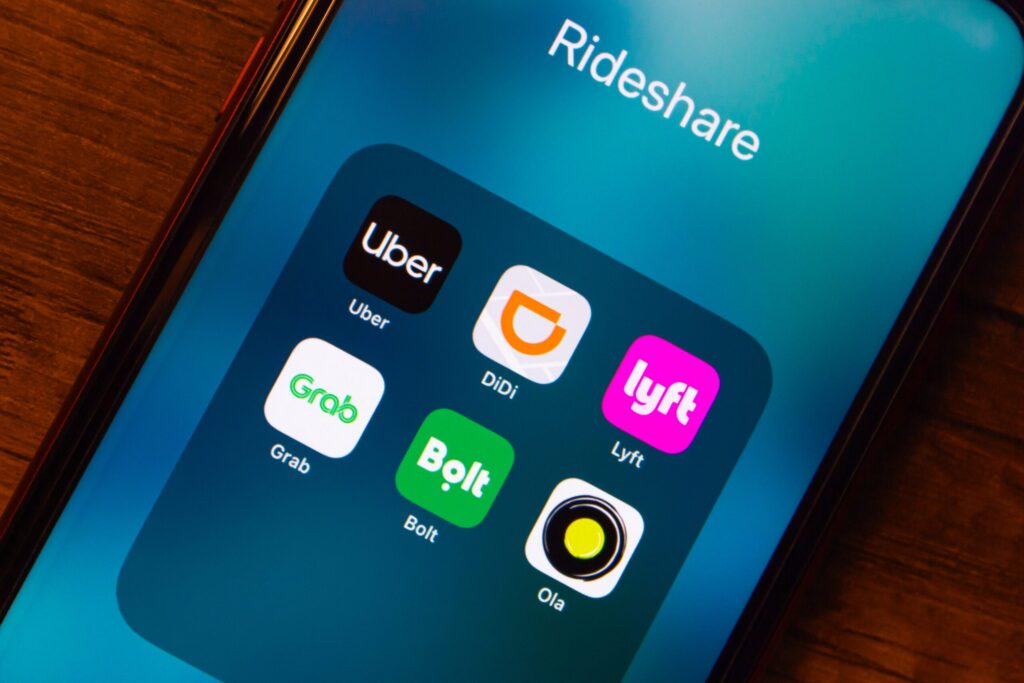
Rideshare operators across Hillsborough County frequently run Uber, Lyft, and DoorDash simultaneously to maximize earnings, creating severe visual and mental distractions along busy corridors like Kennedy Boulevard or the Selmon Expressway.
When a driver juggles multiple digital notifications, reaction times drop, leading to broadside collisions and rear-end crashes. Establishing Tampa Uber accident liability becomes intricate when multiple commercial platforms share potential connection to a single incident.
If a distracted rideshare operator caused a crash that left you with severe physical injuries and missed workdays, speaking with a skilled Tampa rideshare accident attorney during a free case evaluation protects your right to full financial recovery.
Key Takeaways: Holding Uber Drivers Liable for an Accident
- Running multiple rideshare apps concurrently increases driver distraction and crash hazards on Tampa roads
- Florida statute 627.748 dictates which commercial insurance policy phase applies during an impact
- Digital data subpoenas preserve activity logs across all active rideshare and delivery applications
- Insurance carriers dispute coverage tiers when drivers maintain active profiles on competing platforms
- Legal filing cutoffs restrict the window for initiating civil suits against negligent drivers and agencies
Can I hold my Uber driver liable for an accident if they were logged into multiple rideshare apps in Tampa?
Yes, you can hold an Uber driver liable if multi-app driving caused distraction and led to a collision in Tampa.
- Driver activity logs from platforms like Uber, Lyft, and DoorDash show whether the operator was actively managing multiple digital requests during the crash.
- Evidence of multi-app usage proves driver distraction, establishing clear negligence under Florida civil traffic laws.
- Commercial insurance coverage limits shift depending on which specific app had an accepted ride or active trip request at the time of impact.
Securing digital audit trails from rideshare corporations quickly ensures you identify every available insurance policy to cover your physical harm.
Why Do Gig Economy Drivers Run Multiple Applications Simultaneously in Tampa?
Gig drivers run multiple applications simultaneously to reduce unpaid downtime between passenger trips and food delivery orders across sprawling Tampa Bay routes.
Rideshare platforms pay operators primarily when a passenger sits in the back seat or when food rests in the trunk. To avoid waiting parked in lots near Tampa International Airport or Ybor City, drivers keep Uber, Lyft, and Grubhub active at once.
This practice, known as multi-app driving, forces operators to glance continuously at phone mounts, evaluate competing trip offers, and swipe screens while driving at highway speeds.
How Does Multi-App Usage Cause Severe Distracted Driving Collisions?
Multi-app usage forces drivers to make complex cognitive decisions within seconds while managing steering, speed, and lane position in heavy traffic.
When an Uber driver causes a crash because they were using multiple apps, physical evidence usually shows the operator was distracted by competing screen alerts. A driver traveling along Dale Mabry Highway might receive an Uber request, a Lyft cancellation, and a DoorDash order pop-up within a five-second window.
Accepting or declining these offers requires tap responses that take eyes off the pavement, creating hazards for surrounding motorists and passengers.
How Do Smartphone Alerts Overload Driver Attention?
Audible chimes and flashing visual prompts from multiple apps create continuous cognitive disruption that slows braking reaction times.
Engineers design gig software to trigger urgent responses, giving drivers less than 30 seconds to accept incoming orders. Drivers fear losing lucrative ride fares if they hesitate, prompting them to look down at phones rather than watching brake lights ahead.
This split-second loss of focus leads directly to high-impact intersection crashes and pedestrian strikes.
How Does Florida Statute 627.748 Govern Multi-App Insurance Coverage?
Florida Statute 627.748 mandates specific insurance minimums for Transportation Network Companies, but coverage levels depend on exact app status at the moment of impact.
State regulations divide rideshare operations into three distinct insurance phases to determine financial responsibility. When a driver runs several applications, insurance adjusters fight over which carrier bears primary liability for resulting injuries.
What Coverage Applies During Phase 1 When Apps Are Active Without Accepted Requests?
During Phase 1, when a driver logs into one or more apps searching for work without accepting a specific request, Florida law mandates lower commercial limits.
Under state statutes, the primary commercial policy must provide at least $50,000 per person for bodily injury, $100,000 per accident for bodily injury, and $25,000 for property damage.
If the driver runs Uber and Lyft simultaneously in Phase 1, both corporate insurers often attempt to deny primary coverage, claiming the competing platform holds responsibility.
What Coverage Applies During Phase 2 and Phase 3 Active Trips?
Once a driver accepts a ride request or transports a passenger, Florida law requires the platform to provide $1,000,000 in primary commercial liability insurance.
Phase 2 begins the moment a driver accepts a trip prompt, while Phase 3 covers the actual passenger transport. If a driver accepts a Lyft ride while still logged into Uber, Lyft's $1,000,000 commercial policy becomes primary for the crash.
Proving which app held the active request requires securing precise digital server data from each corporate entity.
How Do Insurance Carriers Dispute Liability for Multi-App Rideshare Accidents?
Insurance adjusters exploit multi-app usage to delay payouts, transfer financial blame, and create coverage gaps between competing commercial policies.
Determining liability for multi-app rideshare accidents involves challenging aggressive insurance defense strategies. Adjusters use the presence of multiple active apps to create confusion regarding which policy was primary during the collision.
How Do Personal Auto Insurers Reject Multi-App Accident Claims?
Personal auto insurance companies routinely deny coverage for crashes occurring while drivers operate rideshare or delivery software.
Standard personal insurance policies contain strict commercial use exclusions that void coverage if the policyholder drives for profit. When personal insurers discover a driver maintained active Uber or Lyft profiles, they deny the claim immediately.
This leaves injured victims reliant on commercial TNC coverage, making digital app proof necessary.
How Do Commercial Platforms Shift Blame to Competing Networks?
Uber's insurance representatives often argue that Lyft or DoorDash bears financial responsibility if those applications were running simultaneously during the crash.
Insurers claim that notifications from competing platforms caused the distraction, attempting to categorize the event under Phase 1 rather than Phase 2. This finger-pointing leaves injured passengers and third-party motorists trapped in extended coverage disputes.
Legal representation ensures digital logs are audited to lock in applicable policy limits.
What Electronic Evidence Proves a Driver Was Multi-Apping During a Crash?
Establishing that a driver operated multiple applications requires securing internal digital audit logs, telematics records, and mobile device forensic files.
Proving rideshare multi-app driving Tampa cases requires looking beyond basic police reports. Legal teams issue formal evidence preservation demands to compel rideshare companies and mobile carriers to save digital records before servers overwrite them:
- App server event logs showing exact timestamps for ride requests, accepted trips, declines, and app logins.
- Mobile device telematics data capturing screen touch inputs, swiping motions, and active display duration prior to impact.
- Cellular carrier data logs verifying internet data spikes and background application refreshes during the crash window.
- In-vehicle dashcam recordings showing the driver tapping multiple phone mounts or looking down at dashboard screens.
- Eyewitness statements from passengers who observed multiple active delivery or rideshare interfaces on the driver's phone.
How Do Telematics Records Establish Distracted Driving Negligence?
Telematics software tracks vehicle acceleration, hard braking, GPS location points, and physical phone movement in real time.
Commercial platforms collect detailed telemetry to assess driver safety scores and track route efficiency. Subpoenaing this raw data reveals whether the driver was speeding or braking hard while interacting with competing app screens.
Demonstrating this physical pattern proves the driver breached their basic duty of care to road users.
What Financial Recovery Can Victims Pursue After a Rideshare Collision?
Victims injured in rideshare collisions can recover financial compensation for out-of-pocket economic losses and personal physical suffering.
A high-impact crash caused by a distracted driver results in severe physical trauma requiring long-term medical care. A complete personal injury claim seeks recovery across multiple damage categories:
- Past and Future Medical Expenses: Direct payment for emergency room visits, surgeries, hospital stays, and ongoing physical therapy.
- Lost Wages and Income: Full reimbursement for paychecks missed while recovering away from work.
- Diminished Earning Capacity: Financial compensation for long-term reduction in earning potential if permanent injuries alter work capability.
- Physical Pain and Suffering: Monetary recovery for physical discomfort, loss of daily life enjoyment, and ongoing physical limitations.
- Property Damage Costs: Complete reimbursement to repair or replace your damaged motor vehicle and personal property.
What Practical Steps Help Protect Your Legal Rights Following an Uber Crash?
Taking structured actions immediately after a rideshare crash preserves digital proof and strengthens your future insurance claim.
Gathering information at the crash scene prevents crucial evidence from vanishing. Injured individuals find it helpful to follow a systematic approach:
- Call 911 immediately so police officers draft an official crash report and emergency medical crews treat physical injuries.
- Capture clear photographs of all damaged vehicles, driver phone mounts showing active app screens, and visible bodily injuries.
- Take screenshots of your digital trip receipt, driver profile details, and vehicle license plate information inside your app.
- Request contact details from independent witnesses who saw the driver using mobile devices before the crash.
- Seek prompt medical evaluation at an emergency room or urgent care center, ensuring doctors record every physical complaint.
- Consult a legal representative before providing recorded statements to insurance adjusters or signing release forms.
What Are the Legal Timelines for Filing a Rideshare Injury Suit in Florida?
Florida law gives you two years from the crash date to file a personal injury lawsuit against a negligent driver in civil court.
If a distracted multi-app driver causes a collision, you must file your formal court complaint within two years of the incident date. Missing this two-year deadline bars you permanently from recovering compensation for hospital bills, lost income, or physical pain.
Starting your claim early allows your legal team to subpoena corporate app logs before digital archives are purged.
Why Is Having an Attorney Essential for Multi-App Rideshare Claims?
Multi-app rideshare claims often depend on detailed digital records, overlapping commercial insurance policies, and disputes among rideshare companies over which carrier bears financial responsibility. Legal representation helps organize this evidence and prevent insurers from shifting responsibility to another platform.
Insurance carriers rely on experienced adjusters who may attempt to reduce payouts by questioning the seriousness of an injury or arguing that another rideshare platform provided coverage at the time of the crash.
An attorney may counter these tactics by sending spoliation letters to preserve electronic records, obtaining app activity and server timestamps, consulting software professionals, and gathering evidence that identifies the applicable insurance coverage.
Handling these disputes without legal representation may leave an injured person vulnerable to an early settlement that does not account for continued physical therapy, lost earnings, reduced earning capacity, or lasting physical limitations.
A well-supported claim considers both current losses and the long-term financial effects of the injury before settlement negotiations conclude.
Frequently Asked Questions About Rideshare/Delivery Accidents in FL
Can I sue Uber if my driver was logged into Lyft at the time of the crash?
Yes, you can pursue compensation through Uber or Lyft depending on which platform maintained an active accepted ride request during the impact. If the driver was in Phase 1 across both platforms, both corporate insurers may share liability under Florida comparative fault rules.
What if the rideshare driver claims they were not using their phone when the accident happened?
Subpoenaing mobile device telematics data and corporate server logs provides objective proof of whether the driver touched screens or received trip alerts during the crash window. Digital data overrides driver statements when proving distracted driving negligence.
Does my own Personal Injury Protection insurance apply after an Uber accident?
Yes, your personal PIP insurance provides primary medical coverage up to $10,000 regardless of fault, provided you receive medical treatment within 14 days of the crash. Once your medical expenses exceed PIP limits or your injuries meet Florida's permanent injury threshold, you can seek full recovery from commercial rideshare policies.
What happens if the multi-app driver was delivering food instead of carrying passengers?
Food delivery platforms like DoorDash and Uber Eats carry separate commercial liability policies that apply when drivers transport food. Coverage limits vary based on whether the driver was traveling to pick up an order or actively delivering food to a customer.
How much does it cost to retain a lawyer for a Tampa rideshare injury claim?
Our law firm operates on a contingency fee framework, meaning you pay zero out-of-pocket costs or upfront fees to retain our legal team. We cover all investigation, expert witness, and court filing expenses, receiving legal payment only after securing a financial recovery for you through a settlement or jury verdict.
Contact Roman Austin Car Accident and Personal Injury Lawyers
If you suffered severe physical injuries in a collision caused by a distracted multi-app rideshare driver in Florida, do not let corporate insurance carriers delay your recovery or shift blame. Our legal team understands how commercial gig software functions, and we stand ready to subpoena app server data, challenge uncooperative adjusters, and fight for full financial compensation for your losses.
Contact Roman Austin Car Accident and Personal Injury Lawyers today at (727) 787-2500 for a free case review with an experienced attorney. We’re here 24/7 to take your call.
Roman Austin Car Accident and Personal Injury Lawyers: 1811 N Belcher Rd, Suite I-1, Clearwater, FL 33765
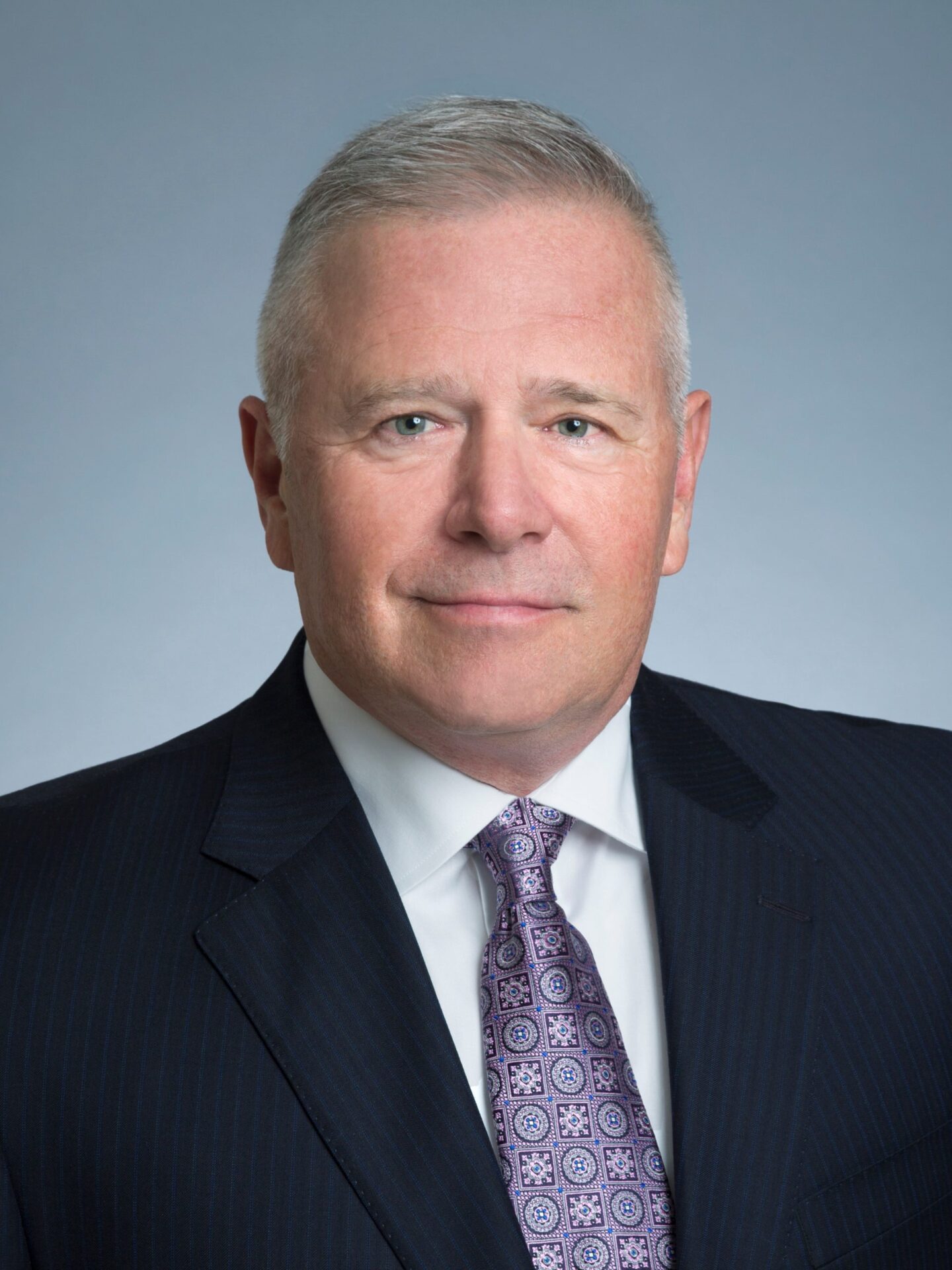
Mark S. Roman
Board Certified Civil Trial Attorney and Founder
Mark S. Roman is the founder of Roman Austin Car Accident and Personal Injury Lawyers and a Board Certified Civil Trial Lawyer, a credential held by fewer than 2% of Florida attorneys. A Tampa Bay native, he has practiced throughout Florida since 1986 and founded the firm in 1996 to represent injured people in his hometown.
He earned a B.S. in Journalism from the University of Florida in 1981 and his J.D. from Florida State University College of Law in 1986. Mark is AV Rated by Martindale-Hubbell, holds a perfect 10 AVVO rating, and belongs to the Multi-Million Dollar Advocates Forum. He has served on the Florida Bar Grievance Committee for both Pinellas and Pasco counties, chairing the Pasco committee.
Author's Bio

