Florida law sets strict rules for Transportation Network Companies, but corporate shortcuts frequently put dangerous drivers on busy roads like Interstate 4, the Courtney Campbell Causeway, and Dale Mabry Highway.
Enforced driver and vehicle requirements for Uber & Lyft in Florida exist to shield passengers, pedestrians, and other motorists from preventable traffic collisions.
If an unqualified driver operating for a rideshare network caused a crash that left you with severe physical injuries and missed paychecks, reaching out to a skilled Florida rideshare accident attorney for a free case evaluation protects your long-term recovery rights.
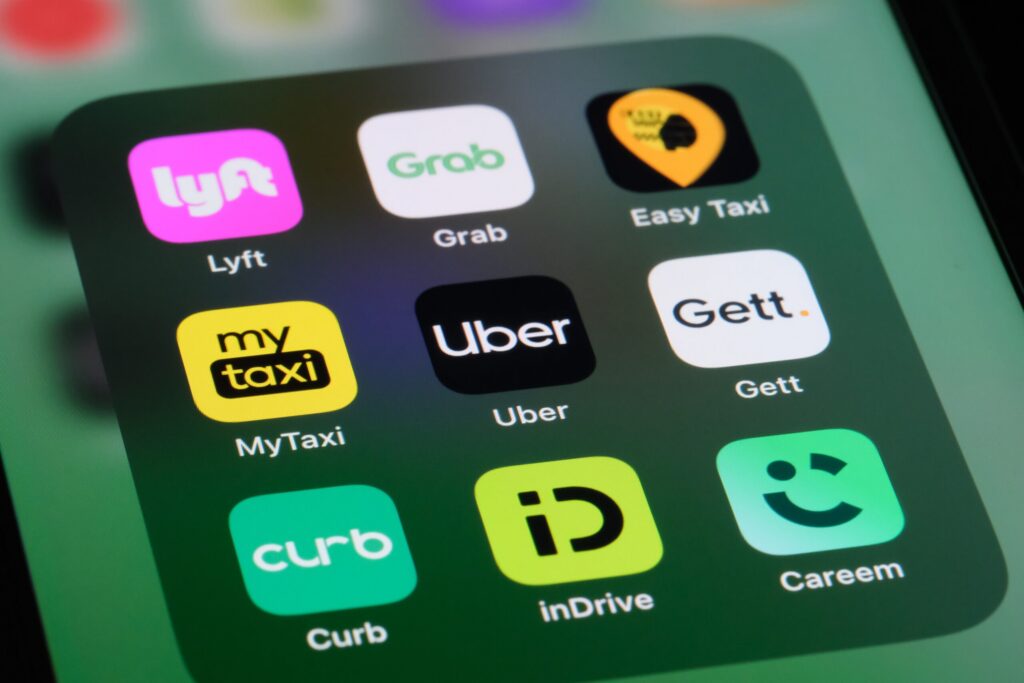
Key Takeaways: Driver and Vehicle Requirements for Uber and Lyft
- Florida Statute 627.748 Mandates Specific Background Checks and Minimum Driver Ages for All Rideshare Platforms
- Corporate Failure to Screen Out Disqualified Drivers Creates Direct Corporate Liability for Negligent Entrustment
- Commercial Insurance Coverage Tiering Depends Directly on Whether the Rideshare App Was Active and Accepting Passengers
- Vehicle Age Restrictions and Safety Inspection Rules Serve as Benchmark Standards for Establishing Negligence Claims
- Legal Action Deadlines in Florida Require Timely Filing to Preserve Physical Proof and Corporate Digital Logs
How old do you have to be to drive for Uber or Lyft in Florida?
Florida drivers must be at least 21 years old to drive for Uber or Lyft.
- Drivers must hold a valid United States driver's license with at least one full year of licensed driving experience in the country.
- Vehicles must pass safety inspections, have four doors, and generally be 15 model years old or newer under state regulations.
- Companies must run background checks and review driving histories before approving any individual to pick up passengers.
When a rideshare company allows an underaged or unqualified individual to operate on its platform, that oversight creates clear grounds to hold the company directly responsible for resulting highway injuries.
How Do Florida State Laws Regulate Rideshare Companies?
Florida state law preempts local city ordinances and sets uniform standards for all rideshare platforms operating anywhere from Pensacola down to Key West.
Legislation passed under Florida Statute 627.748 establishes clear operational boundaries for app-based transportation providers. The law takes regulatory control away from individual municipalities and creates state-level requirements for background checks, driver record reviews, insurance minimums, and vehicle safety.
When rideshare companies bypass these requirements, they violate state statutes designed to protect the public.
What Age and Experience Rules Apply to Florida Rideshare Drivers?
Florida rideshare drivers must meet specific age thresholds and hold verifiable behind-the-wheel driving experience before taking passengers onto state roads.
In Florida, a driver must be at least 21 years old to pick up passengers for Uber or Lyft. The driver must possess a valid U.S. driver's license and maintain at least one year of licensed driving history. If the driver is under 23 years old, Uber requires at least three years of official driving experience.
When a platform approves a driver who lacks required licensed experience, the company ignores known safety risks. Inexperienced drivers often make basic operational errors on congested roads, leading to high-speed rear-end impacts and dangerous broadside crashes at busy city intersections.
What Background Check Standards Must Companies Perform in Florida?
Rideshare companies must conduct thorough criminal and driving history background checks before activating a driver's profile on their platform.
Florida law requires TNC platforms to search local, state, and national criminal databases, along with the National Sex Offender Registry. The background review must look back seven years for major felony convictions, violent crimes, and sexual offenses. The driving history check must screen out applicants with major moving violations or reckless driving charges.
If a company uses automated, low-cost screening software that misses a driver's criminal history or recent reckless driving convictions, the company places every passenger in danger. Proving that a company activated an unsafe driver creates grounds for a direct civil lawsuit against the corporate entity itself.
What Vehicle Standards Must Rideshare Automobiles Meet in Florida?
Vehicles used for rideshare services in Florida must satisfy structural, mechanical, and age requirements to ensure roadworthiness.
Passenger vehicles operating for Uber or Lyft in Florida must feature four doors, carry at least four passenger seatbelts, and generally be 15 model years old or newer. The vehicle cannot have a salvage, rebuilt, or junk title status on its registration. Individual vehicles must also pass mandatory safety inspections covering critical mechanical parts like brakes, tires, steering assemblies, headlights, and windshield wipers.
When a rideshare vehicle experiences mechanical failure, such as sudden brake loss or tire tread separation, physical injuries often follow. Investigating whether the vehicle met state inspection guidelines reveals whether mechanical neglect contributed to the crash.
How Do Driver and Vehicle Violations Create Corporate Liability?
When a rideshare platform allows a driver or vehicle to operate without meeting legal standards, the company becomes directly liable for resulting injuries under Florida personal injury law.
Rideshare platforms frequently claim their drivers operate strictly as independent contractors to shield corporate assets from accident claims. However, when a company fails to enforce its own mandatory screening rules, legal responsibility shifts directly to the TNC under claims of negligent hiring, negligent retention, or negligent entrustment.
Evidence showing that a company knew or should have known a driver was disqualified proves corporate fault. Uncovering these safety breaches requires securing internal corporate records, onboarding files, and background check results.
What Types of Evidence Prove an Uber or Lyft Driver Was Unqualified?
Proving that a driver or vehicle failed to meet legal standards requires gathering official documents and corporate digital records before they are altered or erased.
Attorneys file formal spoliation letters to stop rideshare companies from destroying routine electronic files after a crash. Crucial evidence includes onboarding background check reports, driving record abstracts, vehicle inspection certificates, passenger rating logs, and internal safety complaint histories.
- State driver license records confirm whether the driver held the required length of driving history.
- GPS app data proves whether the driver was speeding or operating while fatigued.
- Vehicle maintenance invoices reveal ignored brake or tire repairs.
- Corporate email chains show whether safety teams ignored complaints about a dangerous driver.
How Does Insurance Coverage Shift Based on Rideshare Driver Status?
Insurance coverages for Uber and Lyft drivers and vehicle requirements operate in distinct tiers depending on what the driver was doing on the app at the exact moment of impact.
Understanding which insurance policy applies depends entirely on digital activity timestamps stored in company databases. Insurance coverage changes dramatically across three distinct app phases.
What Coverage Applies When the Rideshare App Is Off?
When a driver has the rideshare application turned off, the driver's personal auto insurance policy provides sole coverage for any resulting vehicle accident.
In this phase, the rideshare company bears no financial responsibility for crashes caused by the driver. The injured victim must seek recovery through the driver's personal bodily injury coverage and their own Personal Injury Protection benefits.
However, many personal auto insurance policies contain commercial use exclusions, meaning personal insurers often deny claims if they discover the driver was using the car for work purposes.
What Coverage Applies When the Rideshare App Is On Without a Ride Request?
When a driver turns on the app and searches for rides without an accepted trip request, Florida law mandates lower-tier commercial coverage provided by the platform.
Under Florida law, the TNC must provide primary commercial liability coverage of at least $50,000 per person for bodily injury, $100,000 per accident for bodily injury, and $25,000 for property damage. This coverage applies if the driver's personal policy denies the claim due to commercial use restrictions.
What Coverage Applies When a Driver Accepts a Ride or Transporting Passengers?
From the moment a driver accepts a passenger request until the passenger exits the vehicle, Florida law requires the rideshare platform to provide $1,000,000 in primary commercial liability insurance.
This $1,000,000 commercial policy covers bodily injury, property damage, and death caused by the rideshare driver's negligence. The policy also includes uninsured or underinsured motorist coverage in many instances, protecting passengers if another uninsured motorist causes a crash. Securing compensation under this high-value policy requires showing that the driver maintained an active ride status on the digital app when the collision occurred.
How Do Insurance Companies Attempt to Deny Coverage After Rideshare Crashes?
Insurance representatives use gap strategies and status disputes to shift blame and avoid paying physical injury claims.
Commercial adjusters often argue that the driver was in Phase 1 rather than Phase 2, or in Phase 2 rather than Phase 3, attempting to lower available policy limits. Adjusters also look for personal insurance policy exclusions to delay payouts, leaving injured victims trapped between disputing carriers.
Working with a skilled law firm ensures that app data is subpoenaed quickly to establish exact digital status and lock in the correct insurance coverage tier.
What Practical Steps Should You Take Following a Florida Rideshare Accident?
Taking structured legal actions immediately after a crash preserves vital evidence and supports your future insurance claim.
Gathering data while at the crash scene prevents valuable digital proof from disappearing. Injured individuals benefit from taking specific, methodical steps following an event:
- Request medical care immediately at an emergency room or urgent care center to establish a direct link between the crash and your physical injuries.
- Capture screenshot images of your rideshare digital receipt, driver profile, vehicle license plate, and ride status screen on your phone.
- Take clear photos of all damaged vehicles, traffic control signs, road conditions, skid marks, and visible physical injuries.
- Avoid making recorded statements or signing settlement release forms presented by insurance representatives before consulting an attorney.
- Retain copies of all medical bills, prescription drug receipts, discharge summaries, and records of lost wages caused by missed workdays.
What Are the Legal Deadlines for Filing a Rideshare Lawsuit in Florida?
For standard personal injury claims involving Uber/Lyft accident claims in Florida, state law gives you two years from the date of the crash to file a formal complaint in civil court. The timeline drops significantly if your collision involved a government vehicle or a dangerous road defect maintained by a municipal agency.
What Deadlines Apply When Government Entities Share Fault for a Crash?
When a crash involves a city bus, a county vehicle, or dangerous road infrastructure like unmaintained traffic lights or missing signs, Florida sovereign immunity laws apply under Statute 768.28.
You must serve a formal administrative notice to the government agency within three years of the incident before you can file a lawsuit. The government agency receives a mandatory 180-day investigation period to review the notice.
If you fail to follow these strict notice rules, the court will dismiss your case, regardless of how severe your injuries are.
Why Is Having an Attorney Essential for Your Rideshare Claim?
Rideshare claims involve complex corporate structures, competing insurance policies, and technical digital evidence that make legal representation vital.
Corporate legal teams work tirelessly to minimize payout amounts and shift responsibility onto individual gig workers. A skilled attorney levels the field by issuing formal preservation demands for GPS records, taking sworn depositions of corporate safety managers, and calculating the full extent of your physical, financial, and personal losses.
Without experienced legal advocacy, insurance companies often offer early settlements that fail to cover long-term medical care, future physical therapy, or permanent reduced earning ability.

Frequently Asked Questions About Uber/Lyft Accident Claims in FL
Can an injured passenger sue Uber or Lyft directly after a crash in Florida?
Yes, an injured passenger can pursue compensation through the rideshare platform's mandatory $1,000,000 commercial insurance policy whenever the driver was on an active trip. If the company negligently approved an unqualified or dangerous driver who caused the crash, you can also sue the rideshare corporation directly for negligent hiring.
What happens if a rideshare driver collides with my personal vehicle while driving for work?
You can file a claim against the driver and the rideshare platform's commercial insurance policy. The available insurance coverage depends on whether the driver was logged into the app, waiting for a ride request, or actively carrying a passenger at the moment of impact.
How does Florida's PIP insurance interact with a rideshare injury claim?
Your own Personal Injury Protection insurance provides primary medical coverage up to $10,000 regardless of fault, provided you seek medical care within 14 days of the crash. Once your medical expenses pass PIP limits or your injuries meet Florida's permanent injury threshold, you can seek full financial recovery from the rideshare platform's commercial insurance.
What if the rideshare driver who caused my crash was driving an unapproved vehicle?
If a driver used a vehicle different from the one listed on their approved profile, the rideshare company's insurance carrier may attempt to deny coverage. An experienced Florida rideshare accident lawyer investigates whether the company failed to enforce its vehicle roster rules, opening up direct liability claims against the corporate platform.
How much does it cost to retain a lawyer for a Florida rideshare accident claim?
Our law firm handles rideshare injury cases on a contingency fee framework, meaning you pay zero out-of-pocket legal fees to start your case. We advance all litigation costs, and our firm receives payment only if we secure a financial recovery for you through a settlement or jury verdict.
Contact Roman Austin Car Accident and Personal Injury Lawyers
If you suffered physical injuries in a collision involving an unqualified rideshare driver in Florida, do not let corporate legal teams diminish your recovery. Our skilled attorneys stand ready to investigate app data, hold rideshare platforms accountable, and pursue full compensation for your injuries and financial losses.
Contact Roman Austin Car Accident and Personal Injury Lawyers today at (727) 787-2500 for a free case evaluation. We’re available 24/7 to take your call.
Roman Austin Car Accident and Personal Injury Lawyers: 1811 N Belcher Rd, Suite I-1, Clearwater, FL 33765

Miles H. Hickman
Partner and Trial Attorney
Miles H. Hickman spent his first six years in practice defending insurance companies at a St. Petersburg firm, where he managed a legal team of more than ten. He has handled cases from pre-suit through trial as both first and second chair. A lifelong central Florida resident and Stetson University College of Law graduate, he is a Super Lawyers Rising Star and a member of the Million Dollar Advocates Forum.
Author's Bio

