

Roman Austin | February 2, 2026 | Car Accidents
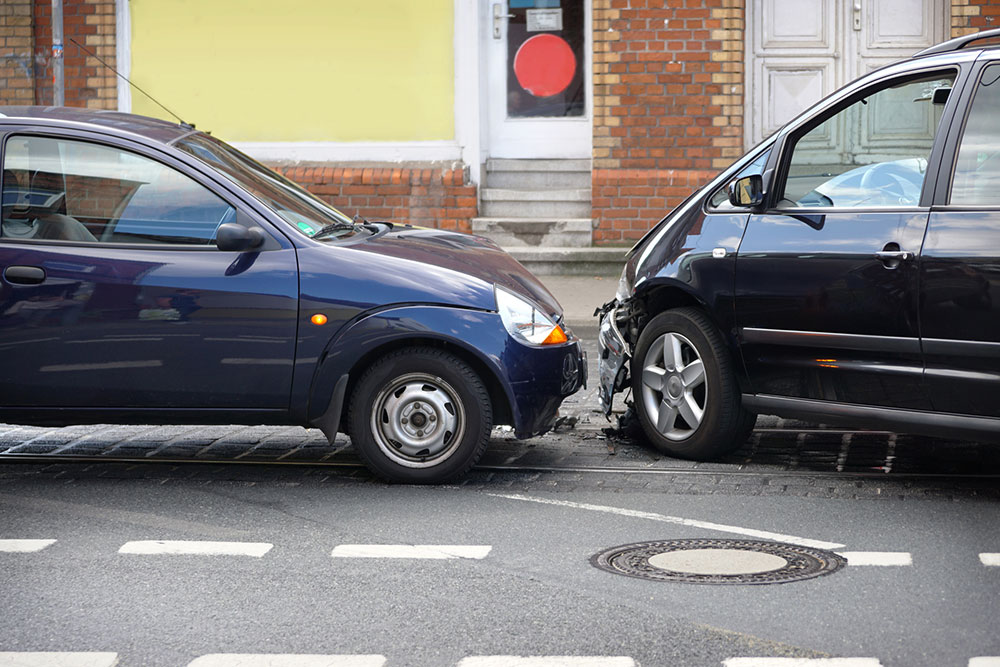
Getting into an accident with an uninsured driver puts your health and finances at immediate risk. Nearly 18% of Florida drivers are uninsured, ranking the state fifth in the U.S. for uninsured drivers. An additional 40% of Florida motorists are underinsured.
Florida’s rate of uninsured and underinsured drivers means that if you are hit by a negligent driver and suffer injuries, chances are the at-fault driver won’t have enough insurance to cover your medical bills.
By filing uninsured motorist claims in Florida, injured motorists can often recover the compensation they need, even when the other driver’s insurance falls short. An experienced car accident lawyer can guide you through your options, making the claims process less stressful and helping you get the most out of available coverage.
Key Takeaways About Uninsured Motorist Coverage in Florida
Uninsured motorist (UM) coverage offers a vital safety net in situations where the at-fault driver cannot pay for your injuries or damages. Before diving deeper, here are a few quick facts about UM coverage in Florida.
- If you’re hit by a driver with no or too little insurance, UM coverage can help pay for your losses.
- UM coverage will pay for both medical bills and lost wages or income.
- UM also covers you in the event of a hit-and-run.
- Insurers are known to challenge UM claims, so legal support can be critical to obtaining full and fair compensation.
Understanding these fundamentals can help you better prepare for the rest of what follows in this guide.
Why Is Uninsured Motorist Coverage So Essential in Florida?
Uninsured motorist coverage goes beyond the basics that Florida law requires. Drivers must carry Personal Injury Protection (PIP) and Property Damage Liability, but there is no legal requirement for bodily injury liability coverage. This leaves serious gaps in protection if you’re injured by someone without sufficient insurance. Relying on your own PIP coverage often isn’t enough for hospital bills or ongoing care.
UM coverage fills those gaps so you’re not left responsible for costs that someone else caused. In Florida, auto insurance companies must offer UM coverage, but it is still optional. Policyholders who refuse the coverage must do so in writing. According to the Florida Policy Project, 52% of drivers in the Sunshine State do not carry UM coverage.
Financial protection when others lack coverage
UM insurance exists to protect you when another driver doesn’t have enough coverage—or any at all. If you’re seriously hurt on busy highways like U.S. 19 or I-275, your medical expenses may quickly exceed your PIP limit.
With no UM coverage, hospital bills, surgeries, and rehab costs can drain your savings and create years of financial stress. But with UM, you have a buffer that keeps your finances stable when an at-fault driver can’t pay. This coverage can make a dramatic difference in your recovery process.
Coverage for hit-and-run accidents
A hit-and-run accident leaves you with almost no recourse against the missing driver. In Florida, your UM insurance can kick in after a hit-and-run, covering the cost of injuries and losses as if the other driver were identified.
This protection means you don’t have to carry the burden alone. With UM insurance, you’re not left stranded simply because the at-fault party chose to flee the scene.
Bridging the gap for underinsured drivers
It’s common for drivers in Florida to purchase policies with low liability limits. If you’re severely injured and the at-fault driver’s insurance falls short, your own Underinsured Motorist (UIM) coverage covers what the other policy can’t.
Instead of facing unpaid bills and ongoing financial worry, this coverage gives you the chance to focus on your recovery. When others don’t have enough coverage, UM and UIM step up to keep you financially secure.
UM and UIM insurance are often the difference between financial strain and a smoother recovery in Florida. Having these protections in place gives you peace of mind every time you drive.
How to File an Uninsured Motorist Claim in Florida

Knowing what to do after being injured in a car accident is confusing, but understanding the claims process can help you secure the funds you need to recover. Filing a claim requires careful attention to detail and adherence to specific timelines.
Here are the essential steps to follow when seeking compensation through your own policy.
Report the accident to law enforcement
Call the police immediately after the crash occurs. An official police report provides an objective account of the incident, which is vital evidence for your claim. It documents who was at fault and confirms the lack of insurance by the other driver.
Notify your insurance company
Contact your insurer as soon as possible to report the accident. Be honest about the details, but avoid giving a recorded statement until you have consulted with legal counsel. Prompt notification preserves your right to coverage under your policy terms.
Seek immediate medical attention
Visit a doctor or emergency room right away, even if you feel fine. Florida’s PIP laws require you to seek treatment within 14 days to access benefits. Medical records will also link your injuries directly to the accident.
Gather evidence from the scene
If you’re able, collect as much information as you can while at the accident site. Take photos of vehicle damage, road conditions, and any injuries. Obtain contact information from witnesses, as their statements can later corroborate your version of events. If you cannot manage to do this, a car accident lawyer can investigate the accident, piece together what happened, and identify all liable parties.
Consult with an experienced car accident attorney
Speak with a lawyer before accepting any settlement offers. Insurance adjusters often try to minimize payouts, but an attorney can protect your interests. They will review your policy and handle all communications to ensure you receive fair compensation.
Taking these steps promptly can significantly strengthen your position during the claims process.
Common Challenges in Uninsured Motorist Claims
While you might expect your own insurance company to be on your side, the reality is often quite different. Policyholders frequently face significant hurdles when trying to access the benefits they have paid for.
Be prepared to face these common obstacles during your claim.
Insurance company pushback
Insurers are businesses focused on protecting their bottom line. They may argue that your injuries were pre-existing or not as severe as you claim. Adjusters might also try to shift some of the blame onto you to reduce their payout.
Proving the other driver was uninsured
If filing a claim with your own provider, you must provide concrete evidence that the at-fault driver lacked adequate coverage. This can be difficult if the other driver is uncooperative or fled the scene. Your lawyer can help investigate and secure the necessary proof to establish this fact.
Disagreements over policy limits
Insurers often interpret policy language in ways that limit their liability. They may dispute the value of your claim or argue that certain damages are excluded. Fighting these interpretations requires a deep understanding of Florida insurance law.
Having legal representation can help you overcome these barriers and secure the settlement you need to recover and move forward.
Frequently Asked Questions About Uninsured Motorist Coverage
Understanding how your policy works is the first step toward protecting yourself financially. Here are answers to common questions about uninsured motorist claims in Florida.
Is uninsured motorist coverage mandatory in Florida?
No, Florida law does not require drivers to carry uninsured motorist coverage. However, insurance companies must offer it to you when you purchase a policy. If you choose to reject it, you must do so in writing.
Can I stack my uninsured motorist coverage?
Yes, stacking allows you to combine coverage limits for multiple vehicles on one policy. This increases the total amount available to pay for your injuries, which can be incredibly valuable, even if you were injured as a cyclist or pedestrian. Check your specific policy details to see if you selected the stacking option.
Does uninsured motorist coverage pay for property damage?
Generally, UM coverage focuses on bodily injury expenses like medical bills and lost wages. Property damage is usually covered under collision coverage or a specific uninsured motorist property damage (UMPD) policy. Review your policy declarations page to confirm your specific protections.
What if the at-fault driver has some insurance but not enough?
If the other driver’s limits are too low, you can file an underinsured motorist (UIM) claim. This coverage kicks in after the at-fault driver’s liability limits are exhausted. It helps bridge the gap between their coverage and your actual damages.
How long do I have to file a claim?
In Florida, you generally have five years to file a lawsuit for a breach of contract regarding an uninsured motorist claim. However, it is best to act quickly to preserve evidence. Waiting too long can jeopardize your ability to recover compensation.
Roman Austin Helps You Take Control of Your Future
You don’t have to let someone else’s lack of insurance decide what your future will look like. Working with Roman Austin Personal Injury Lawyers means gaining advocates who empower you to make informed decisions every step of the way. The choices you make in the next few weeks can drastically affect the rest of your life.
Our Clearwater-based car accident attorneys offer the guidance and support you need to maximize your recovery. Call us for a free consultation, or contact us online, and take charge of your case today.


