US Highway 19 through Pasco County carries thousands of heavy commercial rigs daily, mixing high-speed freight traffic with local retail commuters. The heavy corridor congestion near Main Street and Ridge Road leads to devastating collisions when commercial carriers cut corners on vehicle upkeep or overload trailers.
Experiencing a New Port Richey truck accident leaves victims dealing with severe physical trauma, extended hospital stays, and unexpected lost income. If a negligent commercial driver hit your vehicle on US-19, contacting a skilled New Port Richey truck accident attorney for a free case evaluation protects your long-term legal rights.
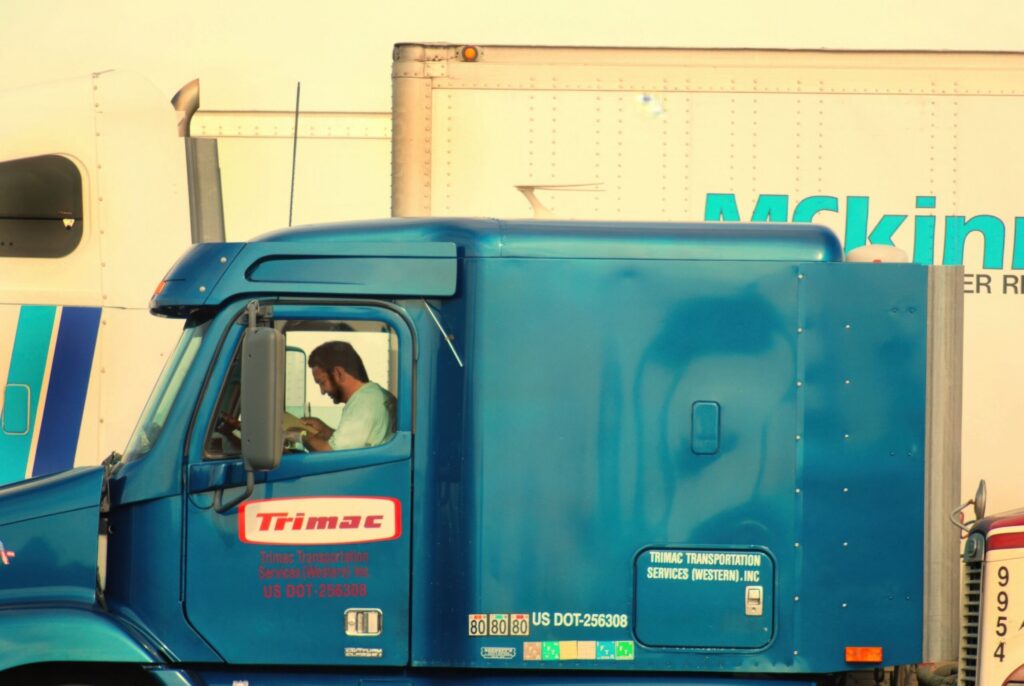
Key Takeaways: Cargo and Maintenance Records Following a Truck Accident in New Port Richey
- Commercial cargo manifests and maintenance logs prove direct corporate liability after US-19 crashes
- Federal motor carrier safety regulations rule how carriers inspection and secure heavy freight
- Spoliation letters prevent freight companies from destroying electronic control module data files
- Comparative negligence law permits monetary recovery even when insurance adjusters dispute collision fault
- Strict filing cutoffs govern civil lawsuits and administrative notice filings against municipalities
How do cargo and maintenance records affect a US-19 truck accident claim in New Port Richey?
Cargo and maintenance records serve as vital evidence in a US-19 commercial vehicle claim by proving that trucking companies or third-party loaders violated federal safety regulations.
- Maintenance logs establish whether worn brakes, bald tires, or ignored mechanical defects directly caused the driver to lose control.
- Bills of lading and cargo manifests reveal weight violations and improper tie-down procedures that lead to catastrophic jackknife or rollover crashes.
- Inspection records pin direct legal liability onto corporate motor carriers rather than just the individual truck driver.
Securing these internal corporate files before destruction occurs ensures injured victims build a strong foundation for full financial recovery.
Why Is US-19 in New Port Richey a Dangerous Corridor for Commercial Truck Accidents?
High speed limits, frequent curb cuts, and dense traffic signals make US-19 through New Port Richey a primary zone for heavy commercial vehicle crashes.
Tractor-trailers weighing up to 80,000 pounds require significantly longer stopping distances than passenger vehicles. When traffic slows abruptly near busy intersections like SR 54 or Gulf Drive, a commercial rig with worn brake pads cannot stop in time.
Sudden lane changes by surrounding cars combined with heavy truck blind spots increase collision risks across Pasco County.
How Do Cargo Violations Cause Severe Tractor-Trailer Collisions?
Unsecured freight shifts during transport, changing the truck's center of gravity and causing drivers to lose control during routine turns or sudden braking maneuvers.
Loading crews must follow strict weight distribution rules under Federal Motor Carrier Safety Regulations. When a freight company overloads a trailer past legal weight limits, the extra momentum overpowers standard vehicle braking systems.
Inspecting truck cargo records after an accident allows legal teams to uncover load distribution errors that triggered the crash.
What Does a Bill of Lading Reveal About Trailer Weight Limits?
A bill of lading details exact freight weight, cargo placement instructions, and loading company identities.
Comparing the bill of lading against state weigh station logs shows whether the truck exceeded maximum gross weight allowances before entering US-19. Overloaded trailers increase tire blowout risks and cause structural frame failures.
Demonstrating that a shipper ignored gross vehicle weight ratings establishes third-party liability against commercial loading facilities.
How Do Improper Tie-Down Procedures Lead to Rollover Accidents?
Failing to use required straps, chains, or tensioning devices allows heavy cargo to slide freely inside a trailer during transit.
When a 40,000-pound load slides to one side while turning onto Little Road, the lateral force flips the entire tractor-trailer onto adjacent lanes. Federal rules dictate exact tie-down counts based on cargo length and weight. Proving that loaders used defective straps or skipped tie-down points assigns fault directly to cargo handling companies.
Why Do Vehicle Maintenance Logs Decide Liability in Commercial Truck Claims?
Maintenance logs prove whether a trucking company ignored known mechanical defects to keep vehicles generating revenue on public roads.
Federal law requires motor carriers to perform systematic inspections, repairs, and maintenance on every commercial vehicle they operate. Trucking companies must preserve these service files for specific time periods.
Reviewing truck maintenance records after a crash uncovers patterns of deferred maintenance that directly caused mechanical failures.
What Mechanical Defects Show Up in Commercial Repair Archives?
Routine repair records reveal whether mechanics identified failing air brakes, worn steering components, or thin tire treads prior to a trip.
- Out-of-service brake adjustments that mechanics noted but failed to repair before dispatching the driver.
- Recapped or retreaded tire installations that failed under highway heat along US-19.
- Cracked suspension springs and rusted trailer hitches that broke during emergency stops.
- Defective steering gearboxes that caused the driver to drift across lane markings.
How Do Driver Vehicle Inspection Reports Prove Carrier Negligence?
Commercial drivers must complete written inspection reports at the end of every work day, flagging any mechanical issues that affect vehicle safety.
If a driver noted soft brake pedals or leaking hydraulic lines on Friday, the carrier cannot legally operate the rig on Monday without fixing the issue. Uncovering signed inspection reports alongside unfulfilled repair work orders proves the carrier knowingly dispatched an unsafe vehicle.
This documentation establishes clear grounds for holding corporate management liable for resulting physical harm.
How Do Legal Teams Secure Corporate Trucking Records Before Destruction Occurs?
Attorneys file formal spoliation of evidence letters immediately to prevent trucking companies from wiping electronic logs or destroying paper files.
Commercial carriers often delete digital records, overwrite black box data, or sell damaged trailers for scrap shortly after a collision occurs. Sending a detailed legal notice places the carrier under strict legal obligations to preserve all physical and digital records.
What Data Does the Truck Electronic Control Module Capture?
The Electronic Control Module records vital operational metrics from the seconds leading up to and during a crash impact.
- Exact vehicle travel speed prior to braking or impact.
- Engine revolutions per minute and throttle position readings.
- Precise brake application timing and pressure levels.
- Daily driving hours logged to track federal hours-of-service compliance.
Why Is Immediate Preservation of Driver Qualification Files Necessary?
Driver qualification files reveal whether the motor carrier properly vetted the driver's background, medical certifications, and driving record.
Carriers must verify that drivers hold valid Commercial Driver Licenses and pass mandatory drug screenings. Uncovering files that show a history of reckless driving violations or failed medical exams establishes negligent hiring and retention claims against the trucking company.
How Does Comparative Fault Law Affect New Port Richey truck accident claims?
Florida operates under a modified comparative fault framework that calculates monetary awards based on each party's percentage of responsibility for the collision.
Under Florida Statute 768.81, an injured victim can recover financial compensation from a negligent party as long as the victim's share of fault does not exceed 50 percent. For example, if a court calculates total damages at $500,000 but finds the driver of the passenger car 10 percent at fault for changing lanes quickly, the final check equals $450,000.
If an insurance carrier proves a victim carries 51 percent or more of the overall crash blame, state law bars the victim from receiving any monetary payout.
What Financial Compensation Can Victims Recover in a Commercial Truck Claim?
Victims injured in commercial truck collisions can recover financial compensation for out-of-pocket medical costs and personal physical disruption.
A high-impact collision with an 80,000-pound rig produces catastrophic physical injuries requiring extended hospitalization and ongoing care. A complete legal claim seeks recovery across multiple damage categories:
- Past and Future Medical Bills: Emergency room treatment, surgeries, ICU care, physical therapy, and specialized medical equipment.
- Lost Wages and Income: Full reimbursement for paychecks missed while off work during your initial recovery phase.
- Diminished Earning Capacity: Financial compensation for long-term reduction in earning potential if permanent injuries alter work capability.
- Physical Pain and Suffering: Monetary recovery for physical discomfort, loss of daily life enjoyment, and ongoing physical limitations.
- Property Damage Costs: Complete reimbursement to repair or replace your damaged motor vehicle and personal belongings.
What Practical Steps Help Protect Your Rights After a Commercial Vehicle Crash?
Taking structured actions immediately after a truck collision preserves physical evidence and supports your future insurance claim.
Gathering information at the scene prevents crucial evidence from vanishing. Injured individuals find it helpful to follow a systematic approach:
- Call 911 immediately so law enforcement officers draft an official crash report and emergency medical crews treat physical injuries.
- Capture clear photographs of vehicle damage, cargo spill areas, tire skid marks, traffic signals, and visible bodily injuries.
- Collect names, phone numbers, and company details from the truck driver, eyewitnesses, and responding law enforcement officers.
- Avoid making recorded statements or discussing crash details with insurance adjusters before consulting a legal representative.
- Keep an organized file containing all medical bills, doctor discharge forms, physical therapy schedules, and records of lost work hours.
What Are the Legal Deadlines for Filing a Truck Injury Lawsuit in Florida?
Florida law gives you two years from the crash date to file a personal injury lawsuit against a private commercial carrier in civil court.
If a negligent truck driver or motor carrier causes a collision, you must file your formal court complaint within two years of the incident date. Missing this two-year deadline bars you permanently from recovering compensation for hospital bills, lost income, or physical pain.
Starting your claim early allows your legal team to subpoena corporate maintenance logs and cargo manifests before digital archives are purged.
What Special Rules Apply to Claims Involving Government Vehicles or Infrastructure?
Claims against government bodies for unmaintained road infrastructure, missing warning signs, or municipal truck involvement require serving a formal written notice within three years under Florida Statute 768.28.
When hazardous road drop-offs, broken traffic signals, or state maintenance vehicles contribute to a commercial truck crash, public entities may share financial liability. Florida sovereign immunity laws require serving detailed administrative notices to the relevant agency and the Florida Department of Financial Services before filing a lawsuit.
The government agency receives a mandatory 180-day investigation period to review your claim, requiring prompt legal preparation to satisfy statutory rules.
Why Is Having an Attorney Essential for Commercial Truck Claims?
Commercial truck accident claims involve detailed federal safety regulations, aggressive corporate defense teams, and technical vehicle data that make strong legal representation necessary.
Insurance carriers use seasoned adjusters and rapid-response defense teams to reduce payouts by challenging liability or withholding maintenance documentation. A knowledgeable attorney balances the field by sending spoliation letters, securing ECM data downloads, reviewing maintenance records, and developing evidence that demonstrates corporate responsibility.
Without legal representation, injured individuals risk accepting low settlement offers that fail to account for continued physical therapy, lost wages, or lasting physical limitations.

Frequently Asked Questions About Truck Accident Liability in FL
Can I sue the company that loaded the truck if the cargo shifted and caused the crash?
Yes, you can file a third-party negligence claim against the independent cargo loading facility if evidence shows they violated weight limits or failed to use required tie-downs. Your attorney reviews bills of lading and shipping manifests to identify every responsible party.
What happens if the trucking company operates out of another state?
Federal interstate commerce laws allow you to file a lawsuit in Florida courts if the collision occurred within Florida borders. Interstate motor carriers must maintain registered agents in Florida to accept legal service for local crashes.
Does Personal Injury Protection apply after a commercial truck accident in Florida?
Yes, your personal PIP insurance provides primary medical coverage up to $10,000 regardless of fault, provided you receive medical treatment within 14 days of the crash. Once your medical expenses exceed PIP limits or your injuries meet Florida's permanent injury threshold, you can seek full recovery from the trucking company's commercial insurance policy.
What if the truck driver was an independent contractor rather than an employee?
Federal regulations require motor carriers to maintain financial responsibility for trucks operating under their DOT authority, regardless of whether the driver is classified as an independent contractor. The company's primary commercial insurance policy still applies to covered crashes.
How much does it cost to retain a lawyer for a New Port Richey truck accident claim?
Our law firm operates on a contingency fee framework, meaning you pay zero out-of-pocket costs or upfront fees to retain our legal team. We cover all investigation, expert witness, and court filing expenses, receiving legal payment only after securing a financial recovery for you through a settlement or jury award.
Contact Roman Austin Car Accident and Personal Injury Lawyers
If you suffered severe physical injuries in a commercial vehicle collision caused by a negligent carrier on US-19, do not let corporate insurance teams delay your recovery or hide crucial evidence.
Our legal team understands federal motor carrier safety rules, and we stand ready to subpoena cargo records, audit maintenance logs, challenge uncooperative adjusters, and fight for full financial compensation for your losses.
Contact Roman Austin Car Accident and Personal Injury Lawyers today at (727) 787-2500 for a free case review with an experienced attorney. You can reach us anytime 24/7 for answers, guidance, and support.

Mark S. Roman
Board Certified Civil Trial Attorney and Founder
Mark S. Roman is the founder of Roman Austin Car Accident and Personal Injury Lawyers and a Board Certified Civil Trial Lawyer, a credential held by fewer than 2% of Florida attorneys. A Tampa Bay native, he has practiced throughout Florida since 1986 and founded the firm in 1996 to represent injured people in his hometown.
He earned a B.S. in Journalism from the University of Florida in 1981 and his J.D. from Florida State University College of Law in 1986. Mark is AV Rated by Martindale-Hubbell, holds a perfect 10 AVVO rating, and belongs to the Multi-Million Dollar Advocates Forum. He has served on the Florida Bar Grievance Committee for both Pinellas and Pasco counties, chairing the Pasco committee.
Author's Bio

