If you were hurt in a car accident in Safety Harbor that someone else caused, the clock started running the moment of impact, and so did the insurance company's effort to limit what they pay you.
At Roman Austin Car Accident and Personal Injury Lawyers, our Safety Harbor car accident lawyer team knows exactly how that process works, and we're ready to push back on your behalf. Call us at (727) 214-5001 for a free consultation.
Road Risks in Safety Harbor

Safety Harbor sits at a crossroads that sees more traffic than its small-town feel might suggest. McMullen Booth Road, Philippe Parkway, and the SR-590 corridor funnel commuters heading toward Clearwater, Dunedin, and Tampa every day.
That volume, combined with commercial truck traffic and drivers cutting through to avoid I-275 backups, means rear-end crashes, intersection collisions, and sideswipe accidents happen here regularly.
When one of those accidents leaves you with injuries, unpaid medical bills, and a car you can't drive, you need someone who will take the insurance company seriously and make them do the same for you.
What Injuries Look Like After a Safety Harbor Crash
Injuries from car accidents don't always show up immediately, and that delay can work against you if you're not careful. Some of the most serious conditions, including traumatic brain injuries and soft tissue damage to the spine, may not become fully apparent until days after the crash.
That's one reason why getting medical care quickly matters, both for your health and for your case. Safety Harbor residents injured in crashes are typically treated at facilities including:
- Mease Countryside Hospital in Safety Harbor, which has an emergency department equipped to handle accident-related trauma
- Morton Plant Hospital in Clearwater, one of the region's leading hospitals for serious orthopedic and neurological injuries
- St. Joseph's Hospital in Tampa, a Level II Trauma Center for the most severe cases
The medical records from these facilities become part of the foundation of your claim. Treatment gaps or delays give insurance adjusters ammunition to argue your injuries weren't serious or weren't caused by the crash at all.
Get Medical Care Promptly and Follow Up
Following through with every recommended appointment, specialist referral, and follow-up visit matters more than most people realize when it comes time to value a claim.
Some injuries, like herniated discs or mild traumatic brain injuries, may not show up on initial imaging but can still cause significant, long-term problems.
If your symptoms worsen or new ones appear in the days after a crash, go back to your doctor and make sure it's documented. That documentation becomes evidence.
Why Having a Lawyer Changes the Outcome
Hiring an attorney after a car accident in Safety Harbor significantly increases the likelihood that you'll recover fair compensation, because insurance companies respond differently when a lawyer is involved.
Without representation, you're negotiating against people whose job is to pay out as little as possible. With an attorney, that dynamic shifts. Here's what changes when you have legal representation working for you.
Insurance Companies Take Your Claim More Seriously
Adjusters know that unrepresented claimants are less likely to recognize a lowball offer, and less likely to follow through with a lawsuit if they reject one. When an attorney is on record, that calculus changes. Insurers know the claim has been evaluated by someone who understands its full value, and that an undervalued offer will be challenged.
Evidence Gets Preserved and Used Properly
Surveillance footage from nearby businesses gets overwritten. Witness memories fade. Accident reconstruction becomes harder as physical evidence disappears. An attorney moves quickly to secure what's needed before it's gone and knows how to use that evidence to build a clear, documented account of what happened and who was at fault.
Your Medical Records Tell the Right Story
Medical documentation is the backbone of any injury claim. A skilled attorney works alongside your treatment providers to ensure your records accurately reflect your diagnosis, your prognosis, and the connection between the crash and your injuries.
That connection, called causation, is something insurers frequently dispute, and it's something a knowledgeable attorney is prepared to defend.
You Don't Have to Speak to Insurers Directly
Anything you say to an adjuster can be used to reduce your claim. Once you have legal representation, all communication runs through your attorney. That protection alone prevents many of the missteps that cost unrepresented claimants thousands of dollars.
Call Roman Austin Car Accident and Personal Injury Lawyers today at (727) 214-5001 to speak with our attorneys at no cost.
How We Handle Safety Harbor Car Accident Cases
Roman Austin Car Accident and Personal Injury Lawyers have recovered more than $200 million for injured clients across Florida. That number reflects what happens when a firm takes cases seriously, prepares them thoroughly, and isn't afraid to go to trial when an insurance company refuses to offer fair value.
A Record That Speaks for Itself
Our results include a $4 million settlement for a family who lost a loved one in a fatal car crash, a $4,356,000 settlement for a brain injury victim, and a $3 million settlement for a pedestrian struck by a school bus. Past results don't guarantee a particular outcome in any specific case, but they do reflect our commitment to fighting for the full value of every claim we take on.
Board-Certified Representation
Our founding partner holds the Board Certified Civil Trial Attorney credential, a distinction awarded by the Florida Bar that recognizes a higher level of legal knowledge and trial experience. Very few attorneys in Florida hold this designation, and it matters when your case goes up against an insurance company's legal team.
We Know Insurers’ Tactics
With more than 60 years of combined legal experience, we've seen the strategies insurers use to devalue claims, delay decisions, and pressure injured people into settling for less. We know how to counter those tactics because we've done it before, in cases just like yours.
No Fees to You Unless We Recover Compensation
We work on a contingency fee basis. You pay nothing unless we recover compensation for you. That means you can get the legal help you need without worrying about upfront costs or hourly bills.
What Compensation May Cover
When another driver's negligence causes your injuries, Florida law allows you to pursue damages, which is the legal term for financial compensation for your losses. Depending on the facts of your case, that may include:
- Medical expenses, both current and future, including surgery, therapy, and ongoing treatment
- Lost income and reduced earning capacity if your injuries affect your ability to work
- Pain and suffering, which accounts for the physical discomfort and emotional strain caused by your injuries
- Property damage for your vehicle and personal belongings
- Wrongful death damages if you lost a family member in the crash, including funeral costs, loss of support, and grief
Florida follows a modified comparative negligence rule. If you were partially at fault for the crash, your compensation may be reduced by your percentage of fault. If you're found to be more than 50% at fault, you may not be able to recover compensation at all.
This makes it important to work with an attorney who can build the strongest possible version of your case.
When the Insurance Company Won't Pay What They Owe
Winning your case doesn't always mean the insurance company writes the check. Sometimes they deny a valid claim outright, offer a fraction of what your damages are worth, or drag out the process for months hoping you'll give up or settle out of frustration. Florida law has a name for that: bad faith.
An insurer may be acting in bad faith if it:
- Denies your claim without a legitimate, documented reason
- Delays investigating or paying without justification
- Misrepresents what your policy actually covers
- Pressures you to accept a settlement far below your claim's real value
- Stops responding to your calls or requests for updates
This applies whether you're dealing with your own PIP carrier (a first-party claim) or the at-fault driver's insurer refusing to settle within their policy limits (a third-party claim).
Under Florida Statute § 624.155, pursuing a bad faith claim generally requires filing a Civil Remedy Notice with the state first, which gives the insurer 60 days to correct the problem before a lawsuit can move forward. It's a specific process with real deadlines, and getting the notice wrong can hand the insurer a procedural defense.
If your Safety Harbor car accident claim has stalled or been denied without a clear reason, our attorneys can review how the insurer has handled your case and explain whether their conduct crosses into bad faith.
Who Can Be Held Responsible?
Liability in a car accident isn't always limited to the other driver. Depending on what caused the crash, multiple parties may share responsibility.
A driver who ran a red light at the intersection of Philippe Parkway and Enterprise Road is an obvious example, but the picture can be more involved than that.
- If a defective tire blew out and caused the driver to lose control, the manufacturer may bear some responsibility.
- If a commercial truck driver was behind the wheel and operating beyond legal driving hour limits, the trucking company may be liable as well.
- When a government entity failed to maintain a road sign or fix a known hazardous condition, that opens a separate line of accountability.
Identifying every responsible party matters because it affects the total amount of compensation available to you. Pursuing only the at-fault driver when other parties share blame can mean leaving significant recovery on the table.
Our team examines every angle of what happened before any demand is made.
Why Choose Roman Austin Car Accident and Personal Injury Lawyers?
You have choices when selecting a Safety Harbor car accident attorney. Here's what sets our firm apart.
We're available to clients 24 hours a day, 7 days a week. Car accidents don't happen on a schedule, and neither do questions about your case. When something comes up, you should be able to reach someone who can help.
We also offer services in Spanish. Se habla español. We want to make sure that language is never a barrier to getting the legal help you need.
Our approach to every case is assertive and thorough. We build cases with trial in mind, which typically leads to better settlement outcomes because insurance companies know we're prepared to take a case in front of a jury if necessary.
We don't file claims just to settle them fast. We file them to get the right result.
What Happens After You Call
The process starts with a free consultation where we listen to what happened, review the facts of your situation, and tell you honestly what we think your case looks like. There's no pressure and no obligation.
If we take your case, we start working immediately. We preserve evidence, communicate with the insurance companies on your behalf so you don't have to deal with adjusters directly, and handle every aspect of the legal process.
Your job is to focus on your medical recovery. Our job is to handle the rest.
File Before the Deadline Runs Out
Florida's statute of limitations generally gives injured parties two years from the date of the accident to file a personal injury lawsuit. Missing that deadline typically means losing your right to pursue compensation entirely. Don't wait to find out whether your case qualifies.
Frequently Asked Questions About Safety Harbor Car Accident Claims
How much is my car accident case worth?
Every case is different, and the value of yours depends on factors including the severity of your injuries, your total medical costs, how the accident has affected your ability to work, and how clearly liability can be established.
We evaluate all of these factors in your free consultation and give you an honest assessment rather than a number designed to make you feel good.
What if the other driver didn't have insurance?
Florida law requires drivers to carry PIP and property damage coverage, but not all drivers comply. If you're hit by an uninsured driver, your own uninsured motorist coverage may provide a path to compensation. An attorney can review your policy and identify every available source of recovery.
What should I do immediately after a crash in Safety Harbor?
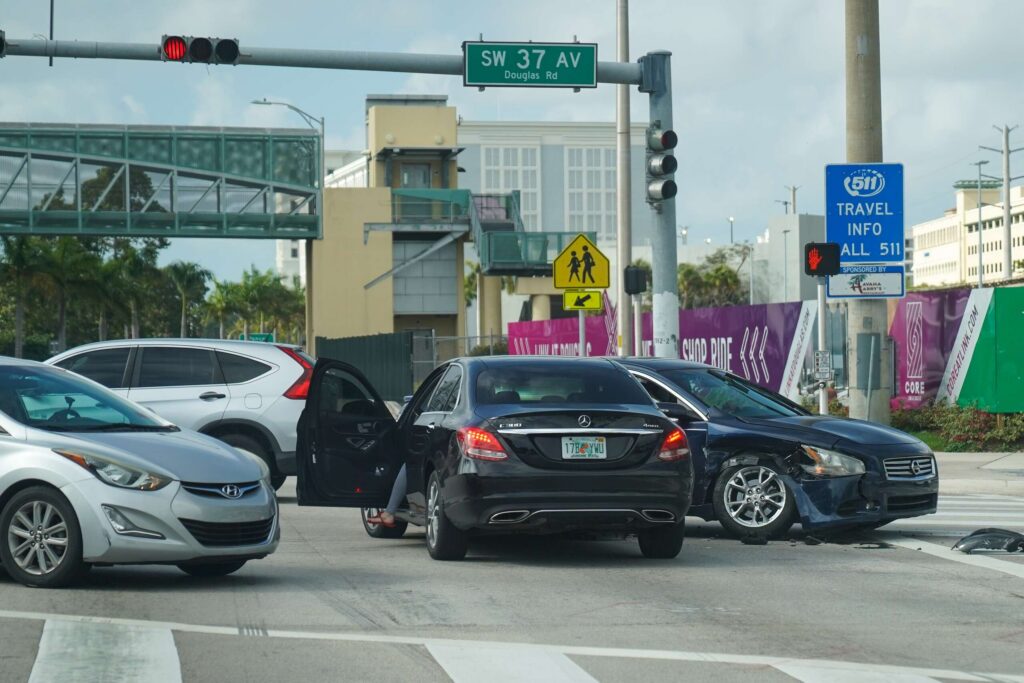
Call 911 so there's an official accident report. Get medical attention even if you feel fine right away. Take photos of the scene, the vehicles, and any visible injuries.
Don't give a recorded statement to any insurance company before speaking with a lawyer, including your own insurer. Recorded statements are often used later to minimize or dispute your claim.
Call us as soon as possible so that we can protect your rights and get started building your case. If a hit-and-run driver leaves you stranded in Safety Harbor, knowing these critical steps immediately after the crash can make or break your recovery.
Can the insurance company really reduce what they offer me?
Yes, and they do it regularly. Adjusters are trained to look for inconsistencies in your story, gaps in your medical treatment, and statements that suggest your injuries were pre-existing or minor.
An attorney manages those conversations and builds a documented record that supports your claim rather than undermining it.
Discover critical insights and recent crash trends in our latest breakdown of Safety Harbor car accident statistics.
Take the Next Step: Contact Roman Austin Now
After a serious crash, the decisions you make in the first days and weeks shape the entire outcome of your case. Insurance companies move quickly, and the window for preserving key evidence closes fast.
If you or someone in your family was hurt in a car accident in Safety Harbor, FL that someone else caused, Roman Austin Car Accident and Personal Injury Lawyers wants to hear from you.
Call (727) 214-5001 now for a free consultation. There's no cost to talk, and no fee unless we recover damages. Let us get to work on your case.