

Roman Austin | February 5, 2026 | Personal Injury
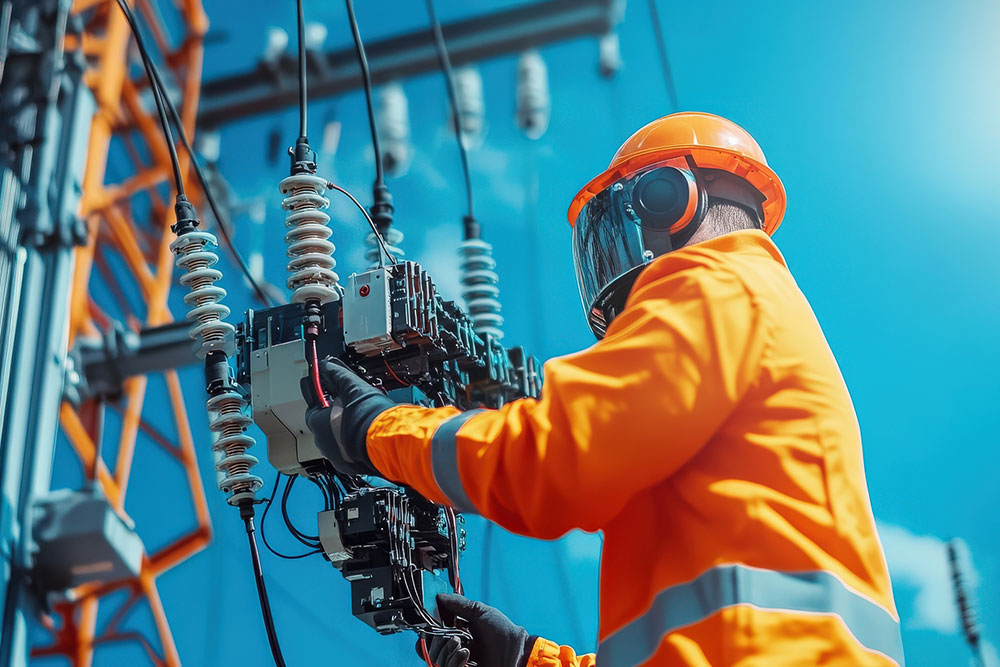
Electricity powers our homes in Clearwater and builds our skyline in Tampa, but it remains a volatile force when mishandled. Construction workers on U.S. 19 and homeowners renovating their properties in St. Pete face serious risks when someone ignores safety protocols.
If you have suffered serious electrocution injuries due to negligence, you need more than just compensation for your hospital bills and missed work—you need a plan for your future. A skilled electrocution accident lawyer can put Florida’s liability laws to work for you.
Key Takeaways About Electrocution Claims and Your Rights
- Construction Sites Are High-Risk Zones: Negligence on job sites often involves third-party contractors, opening avenues for liability beyond workers’ compensation.
- Residential Risks Are Real: Landlords and property owners have a legal duty to maintain safe electrical systems for tenants and guests.
- Florida Law Impacts Compensation: Comparative negligence is a crucial personal injury law, as it determines how much compensation you can recover if you shared any of the blame.
- Prompt Action Matters: Evidence like maintenance logs and surveillance footage can disappear quickly, making early legal intervention vital.
- You Don’t Have to Fight Alone: An experienced attorney manages insurance companies so you can prioritize your physical recovery.
Understanding Electrocution Risks in Construction
Construction sites are inherently dangerous, but preventable electrical accidents still occur far too often. Workers in the Tampa Bay area frequently work near live wires, overhead power lines, and temporary electrical systems. According to the Occupational Safety and Health Administration (OSHA), electrocution is one of the “Fatal Four” leading causes of construction deaths.
How negligence leads to construction job site injuries
Accidents are seldom unavoidable. They usually stem from a failure to follow safety rules and standards. General contractors or subcontractors may cut corners to speed up a project. Common examples of negligence include:
- Failure to de-energize circuits before work begins.
- Lack of proper ground-fault protection.
- Using damaged extension cords or tools.
- Inadequate training for workers handling high-voltage equipment.
When these failures occur, the consequences can be catastrophic. If a third party, such as a subcontractor, equipment manufacturer, or property owner, caused your injury, you might have a personal injury claim separate from a workers’ compensation claim. This is critical because workers’ compensation benefits are often limited and do not cover pain and suffering.
The role of OSHA regulations in your case
OSHA sets strict guidelines for electrical safety. Violations of these standards serve as powerful evidence in a personal injury lawsuit. For instance, if a site manager failed to ensure power lines were marked or shielded, that violation demonstrates a breach of duty. Your construction accident lawyer will investigate whether site supervisors adhered to federal and state safety codes.
Residential Electrocution Hazards in Florida Homes
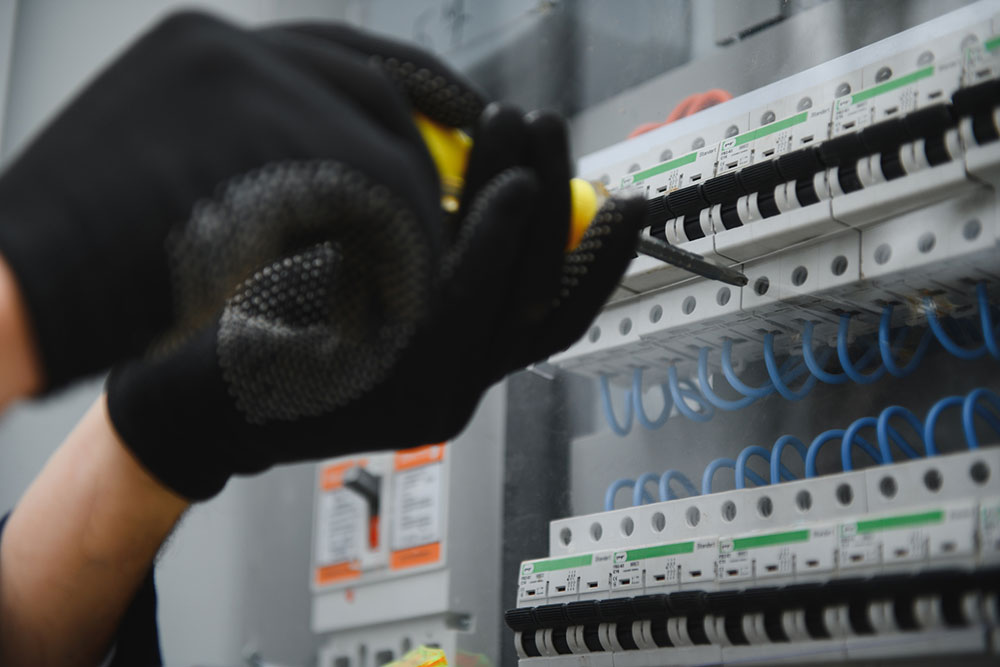
Electrical dangers aren’t limited to construction zones. Renters in older apartment complexes or homeowners hiring unlicensed handymen face significant risks. Faulty wiring, defective appliances, and poor maintenance can turn a home into a hazard.
Liability for landlords and property owners
Under Florida premises liability law, property owners must maintain a reasonably safe environment. If a landlord ignores reports of flickering lights, sparking outlets, or frequent tripped breakers, they may be liable for resulting injuries.
This also applies to vacation rentals and hotels along Clearwater Beach. Proving that the owner knew or should have known about the hazard is key to a successful claim.
Florida’s Comparative Negligence Rule
Florida follows a modified comparative negligence system. This means your compensation in an electrocution injury case is reduced by the percentage of fault you shared in the accident, as long as you are no more than 50% at fault.
Insurance companies often exploit this law to reduce their payouts by blaming the victim. They might argue you were using a tool incorrectly or should have seen a hazard.
Having legal representation to counter these tactics is key to protecting your claim’s value. An attorney can present evidence showing that the primary cause of the accident was the other party’s negligence. By minimizing your assigned percentage of fault, they can maximize your potential recovery. The goal is to ensure the narrative focuses on the safety violations that caused your injuries, not minor missteps on your part.
The Long-Term Impact of Electrical Injuries
Electrocution causes more than just immediate burns. The damage can be internal and long-lasting. Victims often suffer from nerve damage, cardiac issues, and cognitive deficits.
Calculating the true cost of your injury
A fair settlement must account for future needs, not just past bills. Your attorney will work with your doctors and medical experts to estimate the lifetime costs of your care. This includes physical therapy, potential surgeries, and lost earning capacity if you cannot return to your previous job.
The emotional toll of recovery
The psychological impact of a severe electrical shock is profound. Many victims experience anxiety, PTSD, and depression after a serious accident. These non-economic damages are compensable under Florida law. We tell your story to ensure the insurance adjuster or jury recognizes how the injury has altered your daily life.
Calculating damages accurately, including your pain and suffering and other non-economic damages, is essential for securing your financial stability.
Frequently Asked Questions About Electrical Injury Claims
Can I sue if I was injured as a bystander?
Yes, bystanders can file claims if negligence caused their injury. For example, if a downed power line in a public area shocked you, the utility company or municipality might be liable. You have the right to safety in public spaces.
What if the accident happened while doing DIY work?
If a defective product caused the accident, you might still have a claim. Even if you were doing the work yourself, tools and materials must be safe for their intended use. Do not assume you have no recourse without speaking to a lawyer.
How long do I have to file a lawsuit in Florida?
For most personal injury cases founded on negligence, Florida law generally allows two years to file a lawsuit. However, this window can close quickly, and evidence disappears even faster. Consulting an attorney early preserves your rights.
Who pays my medical bills while the case is pending?
Your own health insurance or PIP coverage may cover initial costs. A settlement or verdict aims to reimburse these insurers and cover outstanding bills. Your attorney can often negotiate with providers to delay payment until your case resolves and guide you to additional resources until your case is resolved.
Do I need a lawyer for a minor electrical burn?
have delayed complications like heart arrhythmias or nerve pain. It is wise to consult a lawyer to evaluate the true extent of your damages. Insurance offers rarely account for these future risks.
Take Control of Your Recovery Today
You do not have to face the legal process after an electrocution injury alone. The team at Roman Austin Personal Injury Lawyers is ready to fight for the justice you deserve. We handle the legal work so you can focus on healing and rebuilding your life. Contact us today or visit us online for a free consultation. Let us help you secure your future.


