

Roman Austin | February 4, 2026 | Premises Liability
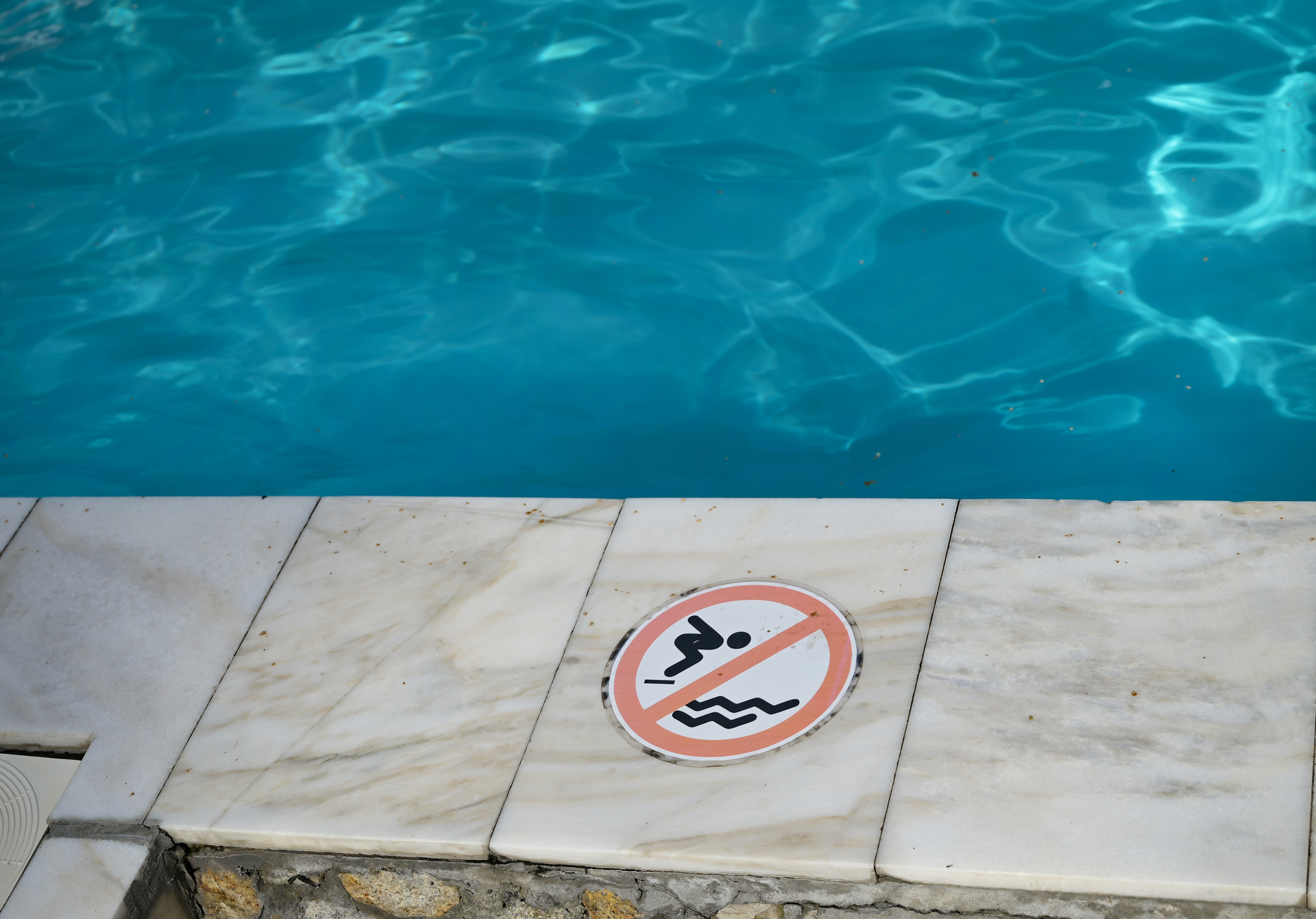
Florida ranks among the top states with the highest drowning rates. More than 2,600 people drowned in Florida in a recent five-year period, including several hundred children.
Drowning accidents strike in moments and can happen just about anywhere families enjoy recreational activities around water: Clearwater backyard pools, Tampa Bay apartment complexes, Dunedin hotel swimming pools, and busy water parks.
When property owners fail to follow safety rules or leave hazards unchecked, they may face legal responsibility when tragic drowning accidents occur. A Florida drowning accident lawyer helps families seek answers and justice after a devastating and preventable drowning.
Key Takeaways About Florida Drowning Accident Lawsuits
- Property owners have a legal duty: Owners must maintain safe premises and warn of hazards.
- Florida has specific pool safety laws: The Residential Swimming Pool Safety Act mandates barriers for residential pools.
- The attractive nuisance doctrine applies: Children are afforded special protections under the law regarding accessible water hazards.
- Comparative fault matters: Compensation may be adjusted if the victim is partially responsible, but you can still recover damages.
- Timely action is critical: Florida enforces strict statutes of limitations for filing injury and wrongful death claims.
What Are Florida’s Liability Rules for Drowning Accidents?
Establishing liability is central to any drowning claim. Under Florida law, most of these cases fall under the category of premises liability. This means the property owner or operator may be held responsible if their negligence contributed to the accident.
To prove liability, we must demonstrate that the owner knew or should have known about a dangerous condition. We must also show that they failed to fix it or provide adequate warning. This applies to hotels, apartment complexes, and private homeowners across the Tampa Bay area.
How premises liability applies to pool owners
Property owners in Florida bear a significant responsibility to ensure their premises are safe, especially when it comes to water hazards like pools. However, their level of liability depends on the reason why the injured person was on the property. Florida premises liability views these statuses as follows:
- Invitees: Guests at a hotel or public pool are owed the highest duty of care. Owners must actively inspect for dangers and repair them immediately.
- Licensees: Social guests at a neighbor’s pool party are also owed a duty of care. The host must warn them of known dangers that aren’t obvious.
- Trespassers: Even trespassers have some rights, particularly if the owner intentionally creates a hazard.
A premises liability lawyer will apply these distinctions to your case and assess whether a property owner’s negligence contributed to a drowning accident. If it did, you can move forward by filing a claim for compensation.
The role of negligence in water safety
We often think of negligence in terms of actions, but it frequently involves a failure to act as well. Inaction could look like a broken gate latch at a Clearwater apartment complex or a lack of lifeguards at a water park. It might also involve cloudy water that obscures visibility or defective pool drains.
When these failures lead to injury or death, the negligent party can be held accountable. Your attorney will work to gather evidence, such as maintenance records and witness statements, to build a strong case for clients.
Florida’s Residential Swimming Pool Safety Act
Florida lawmakers recognize the severe risk water poses, especially to young children. The Residential Swimming Pool Safety Act (Chapter 515, Florida Statutes) sets strict requirements for residential pools. These rules are designed to prevent accidental drownings.
The law requires that all new residential swimming pools, spas, and hot tubs be equipped with at least one approved safety feature. This is not just a recommendation; it is a legal requirement for homeowners.
Specific barrier requirements for homeowners
The most common requirement is a fence or barrier at least four feet high. It must not have any gaps that a young child could crawl through. Gates must be self-closing and self-latching, with the latch out of a child’s reach.
Other approved safety measures include exit alarms on doors leading to the pool or approved safety covers. Failure to adhere to these statutes can be powerful evidence of negligence in a lawsuit.
What is the Attractive Nuisance Doctrine?
Children are naturally curious and often do not understand the dangers of water. Florida law addresses this through the attractive nuisance doctrine. This legal principle holds property owners responsible if a child is injured by a hazardous feature on their land that attracts children.
Swimming pools are the classic example of an attractive nuisance. If a homeowner in St. Petersburg leaves a pool unsecured and a child wanders in and drowns, the owner can be held liable. This applies even if the child was trespassing at the time.
The law places the burden on adults to secure dangerous features. A child cannot be expected to judge the risk of a swimming pool or retention pond. Therefore, the property owner must take steps to prevent access.
This might involve installing high fences, locking gates, or covering the pool when not in use. If an owner fails to take these precautions, they may be financially responsible for the resulting tragedy.
Navigating Comparative Fault in Drowning Claims
Insurance companies often try to shift blame to the victim to reduce their payout. In Florida, we operate under a modified comparative negligence system. This means you can still recover damages even if you or your loved one was partially at fault.
However, your compensation will be reduced by the percentage of fault assigned to you. If a court finds the victim was 20% responsible, the final award is reduced by that amount. If the victim is more than 50% at fault, recovery may be barred.
Premises liability lawyers aggressively counter these victim-blaming tactics. Insurance adjusters may argue a swimmer ignored “No Diving” signs or was impaired at the time. A skilled attorney can fight to minimize your assigned fault and maximize the responsibility placed on the negligent property owner.
Sometimes, in disputed wrongful death cases, expert testimony and forensic evidence can show that the property owner’s negligence was the primary cause of the accident. This helps preserve the full value of your compensation.
Common Locations for Water Accidents in St. Petersburg – Clearwater – Tampa Bay
Drowning risks are not limited to backyard pools. Our local geography in Pinellas and Hillsborough counties presents numerous water hazards. We handle cases involving accidents in various settings.
- Public Beaches: Lack of warning signs about rip currents or absent lifeguards.
- Hotels and Resorts: slippery decks, overcrowded pools, or inadequate supervision.
- Boating Incidents: Passengers falling overboard due to operator recklessness.
- Water Parks: Malfunctioning equipment or poorly trained staff.
- Retention Ponds: Unfenced bodies of water near playgrounds or residential areas.
In each of these settings, when negligence leads to tragedy, the focus shifts to holding the responsible party accountable and securing the compensation your family deserves.
Damages Recoverable in Drowning Lawsuits
A lawsuit cannot replace a family member, but it can provide financial stability during a devastating time. Compensation covers both economic and non-economic losses.
Economic damages include medical bills incurred before death and funeral expenses. They also cover the loss of the deceased person’s future income and benefits. This is vital for families who have lost a primary provider.
Non-economic damages address the emotional toll. This includes pain and suffering, emotional distress, and loss of companionship. In cases of survival after a near-drowning, victims may require lifelong medical care for brain injuries.
Settlements should reflect the true lifetime cost of these injuries. An experienced lawyer will calculate current and future needs to protect families from financial burdens years down the road.
Your Questions About Water Injury Claims Answered
Can I sue if the drowning happened at a neighbor’s party?
Yes, you may have a valid claim. Homeowners must ensure their pool area is safe for guests. If they failed to supervise children or lacked proper safety barriers, their homeowner’s insurance policy typically covers liability for these accidents.
What if the victim signed a liability waiver?
A waiver does not automatically ruin your case. Waivers are often challenged in court if they are vague or if the facility was grossly negligent. Do not assume you have no options just because a document was signed.
Does the Florida Wrongful Death Act apply here?
Yes, if the accident resulted in a fatality. The u003ca href=u0022https://www.leg.state.fl.us/statutes/index.cfm?App_mode=Display_Statuteu0026amp;URL=0700-0799/0768/Sections/0768.19.htmlu0022 target=u0022_blanku0022 rel=u0022noopeneru0022u003eFlorida Wrongful Death Actu003c/au003e allows surviving family members to seek compensation. This includes spouses, children, and parents. A personal representative files the claim on behalf of the estate and survivors.
How long do I have to file a lawsuit in Florida?
The statute of limitations for general personal injury is two years. For wrongful death claims, the limit is also two years from the date of death. It is critical to act quickly to preserve evidence and witness memories.
What if the accident occurred on a boat?
Boating accidents may fall under maritime law or state negligence laws, depending on where they happened. These cases have unique rules regarding liability and jurisdiction. An attorney familiar with local waterways can determine the correct legal path.
Reclaiming Your Life After a Tragic Drowning Accident
You do not have to face the insurance companies alone, especially when you may be dealing with a heavy loss. At Roman Austin Personal Injury Lawyers, we provide the compassionate legal guidance and relentless representation your family deserves. We handle the legal fight, working tirelessly to position your case for the best possible outcome. Contact us online or call us today for a free consultation.


