

Roman Austin | February 1, 2026 | Premises Liability
When an injury happens on someone else’s property, the shock can be followed by a wave of questions. How will you pay for the hospital bills? What about the work you’re missing? You went to a store or visited an apartment complex in Clearwater, never expecting that something there would seriously injure you.
In Florida, property owners have a legal obligation to maintain their premises in a reasonably safe condition. When they fail and you are injured, the law provides a path to hold them accountable through a claim for compensation or a lawsuit.
Knowing your rights when it comes to premises liability in Florida is a good first step, but you don’t have to figure out complex claims and battle insurance companies on your own. An experienced premises liability lawyer can help you determine what qualifies as premises liability and secure the compensation you need to recover.
Key Takeaways About Premises Liability Cases in Florida
- A property owner’s legal duty of care varies depending on the visitor’s status.
- Negligence is often proven by showing the owner knew or should have known about a hazardous condition.
- Common owner mistakes include poor maintenance, inadequate security, and failing to warn visitors of dangers.
- Documenting the scene and your injuries immediately is crucial for a strong premises liability claim.
- Florida’s statute of limitations sets a strict deadline for filing a lawsuit, making prompt action essential.
Common Property Owner Mistakes That Lead to Liability
Many injuries could be avoided if property owners simply met their legal obligations. From large retail chains along U.S. Highway 19 to small local businesses, negligence can take many forms. These oversights often create dangerous conditions that directly lead to visitor injuries.
Failure to maintain safe conditions
One of the most frequent reasons for premises liability claims is a basic failure to perform regular maintenance. This broad category covers a wide range of preventable hazards.
Examples include:
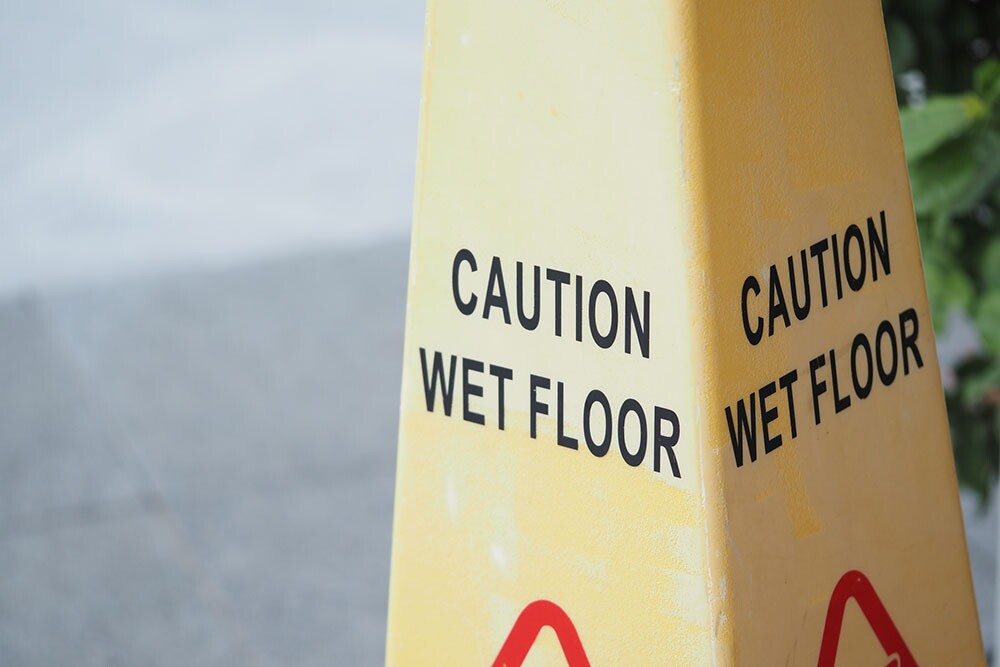
- Spills on floors that are not cleaned up promptly.
- Falling merchandise in a retail store.
- Broken handrails on stairwells or uneven pavement on walkways.
- Algae or mold buildup on sidewalks, which is common in Florida’s humid climate.
A property owner may not be liable for a spill that just happened. However, if they failed to clean it up within a reasonable timeframe, their negligence may be established.
Ignoring known hazards
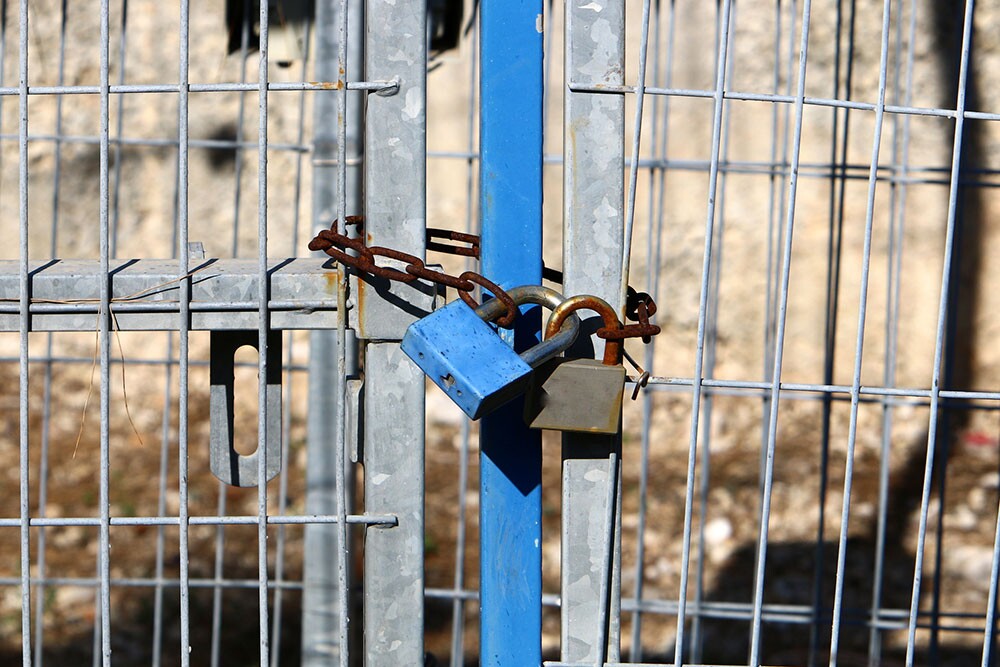
Sometimes, a property owner is fully aware of a dangerous condition but chooses to do nothing. This is a clear breach of their duty of care. This might be a recurring leak that creates a puddle or a broken security gate at an apartment complex.
To build a strong case, your attorney will work to prove the owner had “actual or constructive notice.” Actual notice means they were directly informed. Constructive notice means the hazard existed for so long that a reasonably attentive owner should have discovered it.
Negligent security
Property owners may also be held liable for failing to provide adequate security, especially if criminal activity is foreseeable. This is common in cases involving apartment buildings, parking garages, or hotels in areas with a history of crime. Inadequate security can include:
- Poor or broken lighting in parking lots and hallways.
- Non-functioning security cameras.
- Broken locks on doors and gates.
- Lack of trained security personnel where needed.
When a visitor is assaulted or robbed due to these failures, the owner may be held partially responsible for the harm that occurred.
How Florida Law Defines Premises Liability
Florida law outlines a property owner’s responsibilities based on the status of the visitor. Understanding this framework is key to any premises liability case. The law categorizes visitors into three distinct groups.
Invitees
This group receives the highest level of protection. An invitee is someone on the property for the owner’s commercial benefit, like a customer in a store. Owners must regularly inspect their property for hidden dangers, repair them, and warn visitors of any known hazards.
Licensees
A licensee is a social guest, such as a friend visiting your home. The owner must warn a licensee of any known dangers on the property. However, unlike with an invitee, there is no duty to actively inspect the property for unknown hazards.
Trespassers
A trespasser has no legal right to be on the property. Generally, an owner only owes a duty not to intentionally harm a trespasser. An important exception exists for children, where owners must take steps to prevent harm from “attractive nuisances” like unsecured swimming pools.
Florida’s comparative negligence rule, outlined in Florida Statutes § 768.81, may also play a role. If you are found partially at fault for your injury, your compensation may be reduced. An experienced lawyer can work to minimize your assigned fault and protect the value of your claim.
What to Do If You’ve Been Injured on Someone Else’s Property
The steps you take immediately after an accident can significantly impact your ability to recover fair compensation. If you are injured on another person’s property, try to remain calm and take the following actions.
- Report the Incident and Document Everything: Notify the property manager or owner immediately. Ask them to create an official incident report and get a copy. Use your phone to take pictures and videos of the hazard that caused your injury and the surrounding area.
- Get Witness Information: If anyone saw what happened, ask for their name and contact information. Their statements can provide crucial support for your claim.
- Seek Medical Attention: Your health is the top priority. See a doctor right away, even if you feel your injuries are minor. This creates a medical record that links the incident to your injuries.
- Preserve Evidence: Keep the shoes and clothing you were wearing at the time of the accident in a safe place. Do not wash them. They could serve as important evidence.
- Speak with a Lawyer: Before you speak to an insurance adjuster or sign any documents, consult with an attorney. An experienced premises liability lawyer can protect your rights and handle all communications on your behalf.
Frequently Asked Questions About Premises Liability in Florida
How long do I have to file a premises liability lawsuit in Florida?
Florida’s statute of limitations for personal injury claims generally gives you two years from the date of the incident to file a premises liability claim. Acting quickly is important so that you preserve your right to seek compensation.
What happens if I’m injured by a temporary hazard, like a spill, that wasn’t cleaned up?
If a dangerous condition existed long enough that the property owner or employees should have found and fixed it, you may still have a valid claim. Documentation of when the hazard appeared can be key evidence.
Will reporting the incident to the property owner affect my premises liability case?
Reporting your injury to the property owner or manager creates a record of the incident, which can support your claim. Always request a copy of your report for your own records.
Can weather-related hazards, such as wet floors from rain, lead to a premises liability claim?
Yes, if the property owner failed to address wet or slippery conditions caused by rain or weather and did not provide warnings, you may have a case for negligence.
Are premises liability claims different for injuries at public places versus private residences?
There are differences. Businesses and public properties usually owe a greater duty to keep the premises safe for visitors, while private homeowners may have limited responsibilities. Legal advice can clarify your specific situation.
How much does a premises liability lawyer cost?
At Roman Austin, our personal injury lawyers work on a contingency fee basis. You pay no money out of pocket, and we only collect a fee if we win your case. This approach allows everyone to access quality legal representation regardless of their financial situation.
Finding Hope and Help After a Serious Injury
Suffering an injury due to a property owner’s negligence can be a difficult and isolating experience, but you do not have to face the legal and financial challenges alone. Our team is here to listen to your story, explain your rights, and help you pursue the justice you deserve.
If you were injured on someone else’s property, let us help you take the first step toward recovery. Call us or contact us online for a free, no-obligation consultation. We are ready to stand by your side.


