

Roman Austin | May 29, 2026 | Slip and Fall Accidents
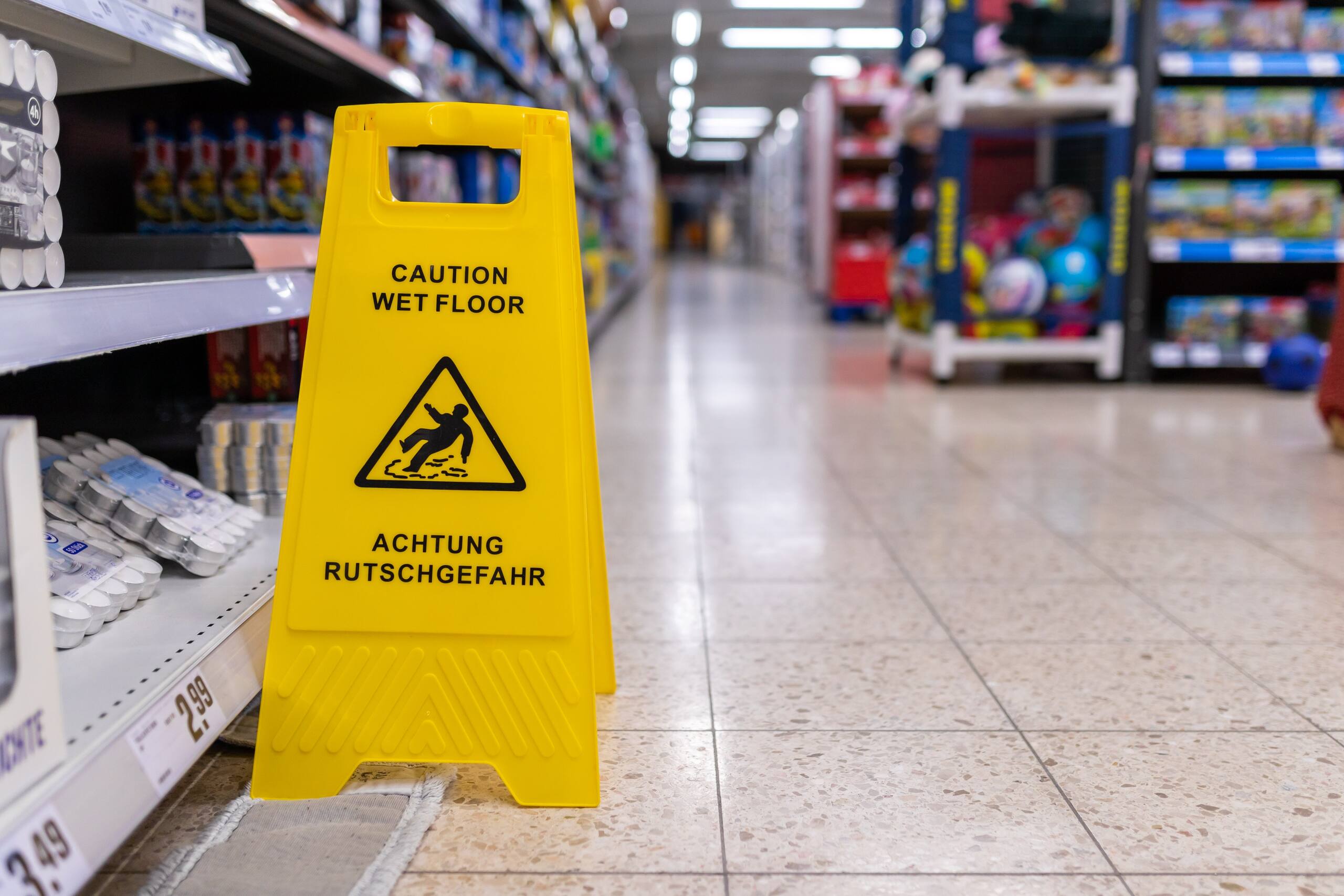
A slip and fall at a grocery store in Clearwater can leave you with a broken bone, a serious head injury, or back damage that disrupts your work, your family, and your daily routine.
The physical pain is hard enough. Add in the medical bills, the lost wages, and the stress of not knowing what comes next, and you’re dealing with a weight that can feel unbearable. If this happened to you, or to someone you love, you deserve straightforward answers about your rights, not a runaround.
Florida law gives injured shoppers a legal path forward, but the rules around proving fault are specific. Knowing whether you have a case depends on what the store knew, when they knew it, and whether they did anything about it.
A knowledgeable Clearwater slip and fall accident attorney can review the facts for free and help you decide your next steps.
Key Takeaways: Slip and Fall Accidents in Clearwater Grocery Stores
- Grocery stores in Florida have a legal duty to keep their premises safe, and failing to do so can make them financially responsible for injuries.
- Proving your case requires showing that the store knew or should have known about the hazard before your fall.
- Florida’s modified comparative negligence rule can reduce your compensation if you are found partially at fault.
- Acting quickly matters because evidence disappears fast, surveillance footage gets overwritten, and Florida has a two-year statute of limitations.
- A skilled personal injury attorney handles the investigation, the paperwork, and the negotiations, so you can focus on getting better.
How do I know if I have a valid slip and fall case against a Clearwater grocery store?
You likely have a valid case if the grocery store knew about a dangerous condition, failed to fix it, and that condition caused your injury. Here are the key factors that determine whether your claim holds up:
- The store must have created the hazard, known about it, or had enough time to discover and fix it before you fell.
- Your injury must be documented, ideally through medical records, an incident report, and witness statements.
- Florida law requires you to file most personal injury claims within two years of the accident.
Speaking with a Clearwater premises liability attorney can help you sort out whether these elements apply to your situation.
What Does Florida Law Say about Slip and Fall Cases?
Florida slip and fall laws place the legal responsibility for keeping customers safe squarely on property owners and businesses. Under Florida Statute Section 768.0755, a grocery store customer who is injured by a slip and fall must prove that the store had actual or constructive knowledge of the dangerous condition before the accident occurred.
That phrase, constructive knowledge, is a legal term worth unpacking. It means the store should have known about the hazard even if no one specifically reported it.
Florida law presumes constructive knowledge if the hazardous condition existed long enough that reasonable care would have led to its discovery and correction, or if the condition occurred regularly enough that the store should have anticipated it.
What “Actual Knowledge” Means for Your Case
Actual knowledge means someone at the store, whether a manager or employee, was aware of the spill, the broken floor tile, or the wet area near the entrance before you fell. A text message to a manager, an earlier report from another customer, or a maintenance log showing the issue was flagged and not addressed can all establish actual knowledge.
What “Constructive Knowledge” Means for Your Case
Constructive knowledge comes into play when no one reported the hazard directly, but the situation still points to negligence. If a spill had been sitting on the floor for 45 minutes, a court may find that regular inspection would have caught it.
Factors like the appearance of the liquid, such as footprints running through it or dried edges, can suggest the hazard had been there long enough for the store to have responded.
How Does Fault Work in Florida Slip and Fall Cases?
Florida follows a modified comparative negligence rule, and this directly affects how much compensation you can recover. If a court finds you partially at fault for the accident, your compensation gets reduced by your percentage of fault. If you were 20 percent at fault, you recover 80 percent of the total damages.
However, if you are found more than 50 percent at fault, you cannot recover any compensation under Florida law.
How Shared Fault Can Affect Your Grocery Store Injury Claim
In a grocery store injury claim, the defense may argue that you were distracted, wearing improper footwear, or ignored visible warning signs like a wet floor cone. These arguments are designed to shift some of the blame to you and reduce the amount the store has to pay.
Documenting your footwear, the placement of any warning signs, and the general condition of the area is useful for countering these claims.
Why the Store’s Maintenance Practices Matter
Stores with regular inspection schedules and written documentation of those checks are in a stronger legal position than stores that operate informally. If a store cannot produce maintenance logs or show a consistent cleaning schedule, that gap in documentation can support your claim that they were not exercising reasonable care.
What Are the Common Causes of Slip and Fall Accidents in Clearwater Grocery Stores?
Slip and fall accidents in grocery stores tend to happen in predictable places. Clearwater residents shop at major retailers, including those near US 19 in Clearwater and along Gulf to Bay Boulevard, and hazards can appear anywhere from the produce section to the parking lot.
Morton Plant Hospital and Mease Countryside Hospital are two local facilities that regularly treat injuries resulting from these kinds of falls.
Spills and Wet Floors
Spills from broken product containers, leaky refrigeration units, or mopped floors that were not properly dried are among the most common causes. Near fresh produce or deli sections, floors can become slick without much warning.
A spill that goes unmarked, even for a short period, can send someone to the floor before they have any chance to react.
Uneven or Damaged Flooring
Cracked tiles, raised thresholds, loose mats, and uneven transitions between flooring materials create tripping hazards that stores are expected to address. A regular inspection program should catch these issues.
When it does not, and someone gets hurt, the failure to maintain the floor becomes part of the legal record.
Poorly Lit Areas and Cluttered Aisles
Dim lighting near storage areas, back aisles, or loading zones can prevent shoppers from seeing hazards underfoot. Aisle clutter from stocking carts, boxes, or misplaced merchandise can create obstacles that lead to serious falls, especially for older shoppers.
Stores near Countryside Mall or on McMullen Booth Road in the Clearwater area see high foot traffic, and high-traffic stores carry a greater responsibility to keep their spaces clear and well-lit.
What Does Proving Negligence in a Slip and Fall Case Require?
Proving negligence in a slip and fall case means establishing four specific legal elements. Each one matters, and a weakness in any of them can affect the outcome of your case.
The four elements your attorney must establish:
| Legal Element | Requirement |
|---|---|
| Duty of Care | The store owed you a duty of care. As a customer, you are legally classified as an invitee, which means the store had an obligation to maintain a reasonably safe environment for you. |
| Breach of Duty | The store breached that duty by failing to address a hazardous condition. |
| Causation | The breach directly caused your fall and your injuries. |
| Damages | You suffered actual damages, including medical expenses, lost income, or pain or suffering. |
Why Evidence Makes or Breaks Your Case
Evidence collection begins the moment an accident happens, and the window for gathering strong proof closes quickly. Surveillance footage at stores near Drew Street or in the Safety Harbor area near Clearwater may be overwritten within 24 to 72 hours. Witness memories fade.
The physical condition of the scene changes as cleanup crews respond. Getting legal help soon after your accident gives your attorney the best chance to preserve the evidence that supports your claim.
What Types of Evidence Support a Slip and Fall Claim?
Several forms of evidence consistently prove valuable in these cases.
- An incident report filed with the store at the time of the accident creates an official record.
- Photographs or video of the hazard, your injuries, and the surrounding area document conditions as they existed.
- Medical records connect your injuries directly to the fall.
- Witness names and contact information can support your version of events.
- Any maintenance logs or prior complaints about the same hazard can show the store was on notice.
Slipping on a spilled item while shopping can throw your whole life off track, but you don’t have to navigate corporate claims alone—find out exactly what it takes to protect your rights after a slip and fall at Publix.
Why Does Having an Attorney Matter in a Slip and Fall Case?
An attorney matters in a slip and fall case because grocery store chains and their insurers have experienced legal teams working to minimize what they pay you, and you need someone equally prepared in your corner.
The Insurance Company Is Not on Your Side
Adjusters may contact you quickly after your fall, often before you fully understand the extent of your injuries. Their goal is to settle fast and for as little as possible. Without legal representation, you may not recognize a lowball offer for what it is.
What an Attorney Does for Your Case
A skilled premises liability attorney handles the work that makes the difference between a weak claim and a strong one:
- Gathering and preserving surveillance footage, maintenance logs, and witness statements before they disappear
- Calculating the full value of your damages, including future medical costs and lost earning capacity
- Communicating with insurers on your behalf so your words cannot be used against you
- Meeting every legal deadline, including Florida’s two-year statute of limitations
Your Focus Should Be Recovery
While you concentrate on healing, your attorney concentrates on building your case. That division of effort protects both your health and your financial future.
What Compensation Can You Seek after a Grocery Store Fall?
Florida law allows injured parties to seek both economic and non-economic damages. Economic damages cover the financial losses you can document directly. Non-economic damages address the parts of your injury that do not come with a receipt.
Economic Damages
- Medical bills, including emergency care, imaging, surgery, physical therapy, and future treatment, fall into this category.
- Lost wages for time missed from work, along with reduced earning capacity if your injury has lasting effects, also qualify.
- Out-of-pocket expenses like transportation to medical appointments and home care assistance round out this category.
Non-Economic Damages
Physical pain and suffering, emotional distress, and reduced quality of life are compensable under Florida law even though they are harder to put a number on.
For injuries sustained at stores like those near the Clearwater Mall area or along East Bay Drive, where heavy shopping traffic makes quick accident response reasonable to expect, the failure to maintain safe conditions may support significant non-economic damages.
A slip and fall can instantly disrupt a vacation, but knowing your rights helps you regain control—explore your options for recovery in our helpful guide on navigating beach resort slip and fall injury claims.
Common Questions About Slip and Fall Accident Claims in Clearwater
What should I do right after a slip and fall at a grocery store in Clearwater?
Seeking medical attention is the first priority, even if your injuries do not seem serious at the time. After that, filing an incident report with the store manager, photographing the scene, and collecting witness contact information can all strengthen a future claim.
Avoid giving a detailed recorded statement to any insurance representative until you have spoken with an attorney.
How long do I have to file a slip and fall lawsuit in Florida?
Florida gives most personal injury plaintiffs two years from the date of the accident to file a lawsuit. Waiting too long, even by a short period, can permanently bar you from recovering any compensation. This is why reaching out to a lawyer soon after your accident is worth doing sooner rather than later.
What if the grocery store says I was partly at fault for the fall?
Florida’s modified comparative negligence law allows you to recover compensation even if you were partly at fault, as long as your share of the blame does not exceed 50 percent. Your total recovery is reduced by your percentage of fault, so this determination matters financially.
What if I did not see a doctor right away after my fall?
A delay in seeking medical care can give the store’s insurance company grounds to argue that your injuries were not caused by the fall. Seeing a doctor as soon as possible, even if you felt fine initially, protects both your health and your legal position.
Can I still file a claim if the store had a wet floor sign posted near the hazard?
Possibly, yes. A wet floor sign does not automatically shield a store from liability. If the sign was placed after the fact, positioned where you could not reasonably see it, or if the hazard extended beyond the area the sign covered, those details may support your claim. The full circumstances of the accident matter.
Roman Austin Car Accident and Personal Injury Lawyers: Here for You
If a slip and fall at a grocery store in Clearwater has left you dealing with injuries, medical bills, and uncertainty about your future, you do not have to figure it all out alone.
At Roman Austin Car Accident and Personal Injury Lawyers, we are focused on helping injured Clearwater residents and their families get the compensation they deserve. We understand how much is at stake, and we bring our full attention and years of experience to every case we take on.
Whether you suffered your injury at a store near US 19, along McMullen Booth Road, or anywhere else in the Clearwater area, we are ready to listen, evaluate your situation, and explain your options, at no cost to you.
Call us today at (727) 787-2500 to schedule your free consultation. We are here to help you move forward.


