

A slip and fall accident at Publix can leave you with physical injuries and unexpected medical bills, which are likely to disrupt your finances. Beyond the physical and financial toll, victims often face lost income and long recovery periods.
You can pursue compensation if your fall was due to Publix’s negligence, such as unsafe flooring or poor lighting. However, going up against Publix and its insurance company can be intimidating.
Their goal is to minimize payouts and deny responsibility, often leaving injured customers with far less than they deserve. However, a legal professional can hold your hand as you pursue compensation for your losses.
At Roman Austin Personal Injury Lawyers, our skilled slip and fall accident attorneys understand insurers’ tactics and how to fight back. We investigate the incident, gather evidence, and negotiate aggressively to secure the maximum compensation for your injuries and losses.
Publix Slip and Fall Key Takeaways
- Compensation for slip and fall injuries may cover medical bills, lost earnings, out-of-pocket costs, pain and suffering, emotional distress, loss of enjoyment, and even punitive damages.
- You can prove a slip and fall case using surveillance footage, photos, incident reports, witness statements, maintenance records, and medical documentation.
- Liability often rests with property owners, managers, or occupiers who knew or should have known about unsafe conditions and failed to fix them.
- A slip and fall lawyer can investigate your case, gather evidence, negotiate with insurers, and litigate if necessary to secure fair compensation.
- Do not wait. Contact our slip and fall attorneys now.
Compensation for Slip and Fall Injuries
You may be entitled to several compensation types if you’ve sustained an injury in a slip and fall accident caused by someone else’s negligence. The damages you pursue cover the financial, psychological, and health toll an accident takes on your life.
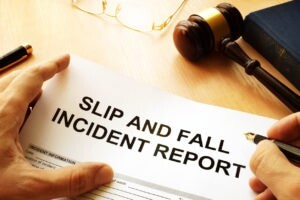
Here are the main categories of compensation available in slip and fall cases:
Medical Expenses
Medical expenses comprise a large portion of a slip and fall injury claim. These damages include the cost of emergency room visits, surgeries, prescription medications, physical therapy, rehabilitation, and any future medical care you may require.
For example, if you broke your hip in a fall, the hospital stay, surgery, and months of physical therapy can cost tens of thousands of dollars. A slip and fall lawyer can gather hospital bills, doctor’s reports, and professional testimony to prove the extent of your injury and support your compensation claim.
Lost Income
You can recover damages for lost earnings when an injury keeps you from working. Compensation is available for income you missed while recovering and diminished earning capacity if you cannot return to your former job or work at full capacity.
For instance, a warehouse employee who sustains a spinal injury in a fall cannot handle physically demanding tasks. A slip and fall accident attorney can prove these damages by collecting pay stubs, tax records, and employer statements.
They may also use vocational experts to show how your injuries limit career opportunities.
Out-of-Pocket Expenses
Slip and fall victims often face many unexpected costs. Out-of-pocket damages cover expenses such as:
- Transportation to and from medical appointments
- Over-the-counter medications
- Co-pay contributions
- Hiring in-home care
- Purchasing mobility aids like crutches or wheelchairs
- Modifying your home with ramps or grab bars.
While these may seem minor, they can quickly add up and cause financial strain. A slip and fall accident attorney can prove these losses by presenting receipts, invoices, and even testimony about how the accident forced you to make these purchases.
Pain and Suffering
Slip and fall victims may also recover compensation for pain and suffering. These damages compensate injured victims for the physical pain, trauma, discomfort, and inconveniences caused by their injuries.
For example, someone with chronic back pain from a fall may struggle with daily activities and lose sleep due to constant discomfort. A slip and fall accident lawyer can help demonstrate your pain and suffering using medical records, pain journals kept by the victim, and testimony from family members about changes in your lifestyle.
Emotional Anguish
Slip and fall accidents can lead to psychological harm, including anxiety, depression, or post-traumatic stress. For example, an injured victim may develop a fear of walking in public places after slipping in a crowded store.
A slip and fall accident attorney can prove these damages by presenting mental health evaluations, therapy records, and professional testimony from psychologists who can explain the emotional impact of the injury.
Loss of Companionship
If a slip and fall results in life-altering injuries or even death, surviving family members may claim loss of companionship. These damages recognize the emotional harm and reduced quality of relationships caused by an accident.
For instance, if a spouse suffers a traumatic brain injury that changes their personality and hinders their ability to engage in family life. Their partner may recover damages for the lost companionship.
Loss of Enjoyment of Life
Some injuries rob victims of the ability to enjoy hobbies, recreational activities, or simple pleasures. A retiree who loves gardening cannot kneel or bend after a severe fall.
A personal injury lawyer can demonstrate the loss through testimony from the victim and loved ones, showing how everyday life has changed.
Permanent Disability or Disfigurement
You may be entitled to compensation when a slip and fall accident causes permanent disabilities, including paralysis or visible disfigurement from burns or scars. These damages recognize the lifelong consequences of the injury.
A slip and fall accident lawyer can use reports from medical professionals, before-and-after photos, and evidence of future care needs to prove these claims.
Punitive Damages
In rare cases, a court can award punitive damages to punish intentional misconduct or gross negligence.

How Do You Prove a Slip and Fall Case
Proving a slip and fall case in a retail environment like Publix requires establishing that the store knew of a dangerous condition and failed to remedy it. Success in proving fault requires demonstrating negligence by collecting comprehensive evidence that tells the complete story of your accident.
The burden of proof lies with the injured party to show that the property owner knew or should have known about the hazardous condition that caused the fall. Here are different sources of evidence for proving fault:
Surveillance Footage
Security cameras are a powerful source of evidence in slip and fall cases. Retail stores like Publix maintain extensive video surveillance systems throughout their facilities. The video footage provides an objective, unbiased account of what happened before, during, and after your accident.
A slip and fall accident lawyer can use the video footage to reveal how long a hazard existed, whether employees were aware, and the specific circumstances of your fall. They can also request the footage immediately, as stores overwrite recordings after 30-90 days.
Photographic Evidence
Images of the accident scene can document the hazardous condition that caused your fall, whether it’s a wet floor, fallen merchandise, or worn flooring. For example, wide shots of the scene can show the surrounding area and close-ups of the specific danger.
Time-stamped photos are particularly valuable as they establish when the condition existed. You can also support your claim with images of your injuries, damaged clothing, and any footwear you were wearing during the incident.
Incident Reports
Most retailers require employees to complete formal incident reports after a slip and fall accident. Ensure that store management creates an official report. You can also request a copy of the incident report.
An incident report contains admissions about the cause of the accident, employee awareness of hazards, and the store’s initial assessment of fault. A slip and fall accident lawyer can use the incident report to prove Publix’s negligence.
Eyewitness Statements
Independent witnesses provide invaluable third-party accounts of your accident. Their testimonies can corroborate your version of events and verify the existence of the dangerous condition.
Witnesses may also provide information about how long the hazard was present or whether they noticed employees ignoring the danger.
Maintenance and Inspection Records
Retailers maintain logs of routine inspections, cleaning schedules, and maintenance activities. These records demonstrate whether the store followed proper safety protocols or neglected its duty to maintain safe conditions.
Evidence showing irregular inspections or delayed response to known hazards strengthens your negligence claim. Subpoena these records through your attorney, as stores rarely provide them voluntarily.
Employee Testimony and Training Records
Staff members may have witnessed the accident or known about the hazardous condition. Their testimonies about inspection procedures, response protocols, and awareness of dangers can be compelling evidence.
For example, employee training records can reveal whether staff received proper instruction on identifying and addressing safety hazards.
Medical Documentation
A slip and fall accident attorney can use medical records to link your injuries directly to the slip and fall accident. Seeking immediate medical attention allows healthcare providers to document the connection between your injuries and the incident.
Medical evidence proves the extent of your injuries and supports your claim that the accident caused genuine harm requiring treatment and recovery.
Expert Witness Analysis
Sometimes, we retain a safety professional or engineer to analyze the accident scene. They can offer a professional opinion on how a dangerous condition contributed to your fall and whether the property owner violated industry safety standards. Their professional testimony adds credibility and technical authority to your case.
Who Is Liable in a Slip and Fall Accident

In slip and fall accidents, liability often rests with property owners, managers, occupiers, or leaseholders who must keep premises safe. Landlords are also responsible for maintaining common areas, such as repairing sidewalks or broken steps.
A tenant or business may be liable for unsafe conditions if it controls a leased space. The injured party must show that negligence caused their losses.
For example, if a grocery store ignores repeated complaints about a slippery spill in an aisle and a shopper falls, the store may be liable for failing to fix the hazard.
Visitors must also exercise reasonable caution. Ultimately, liability depends on proving the responsible party knew or should have known about the danger and failed to fix it.
Speak to Our Trusted Slip and Fall Accident Lawyer

You might endure worsening health after a slip and fall accident in Publix. For example, a hip fracture can cause chronic pain for months or years after the accident.
You deserve representation from an experienced slip and fall accident lawyer who’ll relentlessly fight for your legal right to compensation. Our slip and fall accident attorneys can use evidence to demonstrate your losses, negotiate with insurers, or litigate for a fair and just settlement.
Contact Roman Austin Personal Injury Lawyers online or at (727) 787-2500 for a free case evaluation.
Publix Slip and Falls – Frequently Asked Questions
How Long Does a Slip and Fall Case Last?
Slip and fall cases typically last 6 months to 2 years, depending on injury severity, case complexity, and willingness to settle. Simple cases with clear liability may resolve within months, while complex cases involving severe injuries or disputed fault can take years.
Our slip and fall accident lawyers can use solid evidence to maximize compensation while minimizing delays through strategic negotiations.
How Much Is Pain and Suffering Worth in a Slip and Fall?
Pain and suffering values in slip and fall cases vary based on injury severity, recovery time, and life impact. Minor injuries might warrant thousands of dollars, while severe or permanent injuries can result in tens of thousands or more.
Our slip and fall accident attorneys can calculate the value of pain and suffering using medical records and treatment duration, and evaluate how injuries affect your daily activities.
Do Most Publix Slip and Fall Cases Settle Out of Court?
Yes, most slip and fall cases settle out of court, with the majority resolving through negotiations before trial. Settlements save both parties time and money and avoid uncertain trial outcomes.
However, our slip and fall accident lawyers are prepared to litigate if insurance companies refuse fair settlement offers, using years of trial experience as leverage during negotiations.
How soon should I seek medical attention after a fall?
After a slip and fall, seek medical attention right away. A doctor can assess your injuries and create a treatment plan. You need medical records and documentation in your case. A doctor’s visit also creates a record that links your injuries directly to the accident.
What should I do immediately after a slip and fall accident at Publix?
After a slip and fall, you should get medical attention. Report the incident to the store manager. Take photos of the hazard, your injuries, and the surrounding area. Talk to anyone who saw the fall and get their contact information.
Do not admit fault or speak to the insurance company without a lawyer. Contact a personal injury lawyer immediately to discuss your options.
What is the statute of limitations for a slip and fall?
The statute of limitations is the time you have to file a lawsuit after an injury. The time limit varies significantly from state to state. Act quickly because a court can dismiss your case if you do not file it within the deadline.
To protect your legal rights and gather evidence before it disappears, you should speak with a lawyer as soon as you can.
How is a slip and fall case different from other personal injury cases?
In a slip and fall case, you must prove that the property owner or manager was negligent in maintaining the premises. This requires demonstrating that they knew or should have known about a dangerous condition and failed to fix it. It also means collecting evidence that the store is likely to clean up immediately.